There’s something so comforting about a dish that feels like home, especially when it’s passed down through generations, each layer adding its own story. For me, food has always been a way of connecting with the past, whether it’s my grandmother’s kitchen, where the aroma of fresh-baked challah filled the air, or that first bite of a recipe that holds a memory I can’t quite place. One dish that’s both deeply rooted in tradition and wonderfully adaptable is kishka. It’s a staple in Jewish cuisine, but over the years, I’ve found that each family or cook puts their own spin on it, making it a dish that’s truly unique every time it’s made.
Kishka, traditionally made with meat and spices, is a kind of stuffed intestine, often served alongside a hearty stew or roast. But if you’re looking for a way to enjoy this comforting dish without the meat, there’s a vegetarian version that is just as rich, satisfying, and full of flavor. Today, I’m going to share a vegetarian kishka recipe that is every bit as hearty and delicious as its carnivorous counterpart.
Vegetarian Kishka Recipe
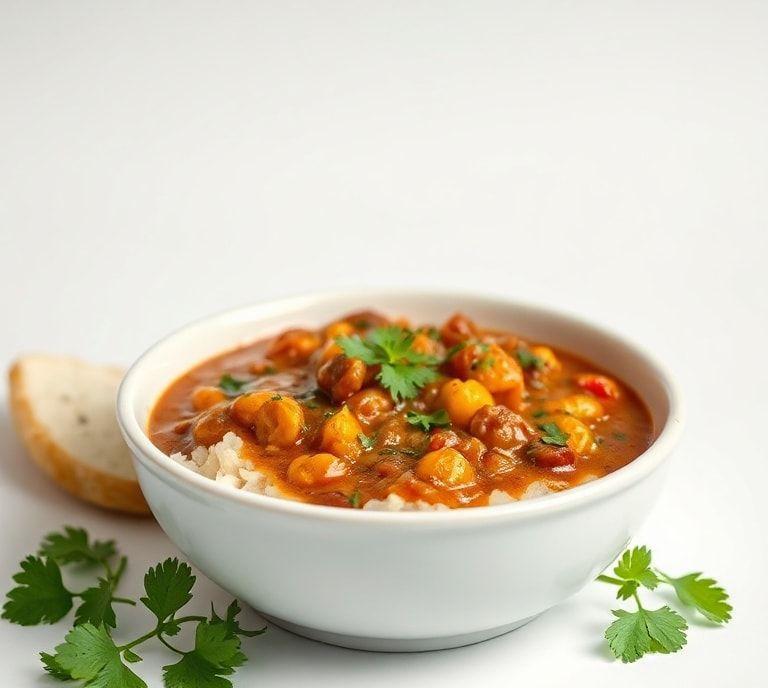
This vegetarian version of kishka keeps all the best parts of the traditional dish-the texture, the depth of flavor, and that wonderful heartiness-without the meat. Instead of using beef or poultry, this recipe relies on grains and vegetables to recreate that comforting, savory experience. The texture of the kishka is a blend of soft, fluffy, and firm, making it a great addition to any meal, whether as a side dish or the star of the show.
Ingredients Needed
Now, I know that recipes can sometimes get bogged down with too many ingredients, but don’t worry-this one is surprisingly simple. What you need is a balance of grains, vegetables, and spices to bring everything together. Here’s what you’ll need to get started:
- 1 cup of cooked barley or farro – These grains provide a nice, chewy texture that mimics the heartiness of traditional kishka.
- 1 small onion, finely chopped – Onions are always a base for flavor in so many dishes, and here they’ll give the kishka its savory depth.
- 2 cloves of garlic, minced – For that little kick of fragrance and flavor.
- 1/2 cup of grated carrots – This adds some sweetness and color to the mix.
- 1/2 cup of finely chopped mushrooms – Mushrooms add an earthy umami flavor that helps to recreate that meaty, savory note.
- 1/4 cup of vegetable broth – To keep everything moist and to enhance the flavors.
- 1/4 cup of matzo meal – This gives the kishka structure, binding everything together.
- 1/4 cup of olive oil – For sautéing the vegetables and giving that extra richness.
- 1 teaspoon of paprika – A smoky touch that brings warmth to the dish.
- 1 teaspoon of thyme – A fragrant herb that elevates the overall flavor.
- Salt and pepper to taste – Always important for balancing flavors.
- 2 tablespoons of fresh parsley, chopped – For a burst of freshness when it’s ready to serve.
These ingredients work together to create a vegetarian version that doesn’t feel like it’s missing anything. The barley or farro serves as a wonderful base, absorbing all the flavors, while the mushrooms and carrots bring both texture and sweetness. The spices and herbs round everything out, giving the dish that comforting warmth you crave.
Cooking Instructions
Making vegetarian kishka is an incredibly rewarding experience-each step brings the dish closer to something you can’t wait to eat. It’s one of those recipes that has you filling your kitchen with such wonderful smells that you start to wonder why we don’t cook like this every day. Here’s how to do it:
- Preheat the oven to 350°F (175°C). Grease a loaf pan or a baking dish with a little olive oil to prevent sticking.
- Sauté the vegetables: Heat the olive oil in a large skillet over medium heat. Add the onions and garlic, sautéing them for about 5-7 minutes until they’re soft and translucent. Add in the mushrooms and carrots, cooking them down until the mushrooms release their moisture and everything starts to soften, about another 5-7 minutes.
- Add the grains: Stir in the cooked barley or farro, making sure the grains are well coated with the veggie mixture.
- Mix in the seasonings: Add the paprika, thyme, salt, and pepper, and give everything a good stir. Pour in the vegetable broth, allowing it to simmer for a couple of minutes to help the flavors meld.
- Bind the mixture: Remove the skillet from heat and let the mixture cool for a few minutes. Then, stir in the matzo meal and fresh parsley. The matzo meal will help bind everything together, giving the kishka its classic texture.
- Transfer to the pan: Spoon the mixture into the prepared loaf pan, pressing it down gently to pack it in evenly. If you want, you can top the kishka with a drizzle of olive oil for extra richness.
- Bake for about 45 minutes, or until the top is golden brown and firm to the touch. You’ll know it’s done when it has a nice crust and the inside feels set.
- Let it cool for a few minutes before slicing and serving.
It’s a simple process, but the result is an incredibly satisfying dish that will fill your home with warmth. Serve it alongside roasted vegetables or a fresh salad, and you’ve got a meal that feels both nourishing and indulgent.
Ingredient Science Spotlight
It’s always interesting to consider what’s happening beneath the surface of the ingredients we use. When you combine grains like barley or farro with vegetables and seasonings, the starches in the grains absorb moisture, creating a solid yet tender base that holds everything together. The mushrooms, in particular, are key here-while they may not seem like a typical ’meat’ substitute, their umami properties are essential in bringing out that deep, savory flavor we’re used to in traditional kishka.
The matzo meal acts almost like a binder, but it also helps to create the texture that’s familiar in kishka. It’s like a soft, pillowy interior wrapped in a golden, crispy exterior. The vegetable broth and olive oil contribute both moisture and richness, balancing the other elements for a satisfying, full-bodied flavor. The herbs and spices, like thyme and paprika, not only add aroma and taste, but they also work on a sensory level, giving that "home-cooked" feel you just can’t get from store-bought meals.
Expert Tips
Here are a few tips to help you get the most out of this vegetarian kishka recipe:
- Don’t skimp on the seasoning – Kishka is all about flavor, and that means seasoning is key. Taste as you go and adjust salt, pepper, and spices to your liking.
- Use a mix of grains – If you’re not a fan of barley or farro, try using quinoa, bulgur, or even brown rice. Just make sure the grains are cooked before adding them to the mixture.
- Let it cool before slicing – If you try to slice the kishka too soon, it might fall apart. Let it cool for a few minutes to firm up and hold its shape better.
- Add a bit of nutritional yeast – For an extra savory, cheesy flavor, sprinkle some nutritional yeast into the mixture. It’s a great way to mimic the richness of dairy without adding any cheese.
- Top with a sauce – While the kishka is delicious on its own, a drizzle of mushroom gravy or a tangy tomato sauce can elevate it even further.
Recipe Variations
One of the best things about kishka is how versatile it is. You can adjust it to suit your tastes or to experiment with different flavors. Here are a few variations to try:
- Spicy Kishka: Add a dash of cayenne pepper or some finely chopped fresh chili to the mixture for a little heat. This will give it a nice balance to the savory flavors.
- Herbaceous Kishka: Try adding different herbs like rosemary, sage, or oregano for a more aromatic dish. Fresh thyme and rosemary pair especially well with the mushrooms.
- Sweet Kishka: If you prefer a touch of sweetness, consider adding some raisins, dried cranberries, or even chopped apples. The sweet-and-savory combo is always a winner.
Final Words
Vegetarian kishka may be a twist on the traditional, but it doesn’t lack the comforting richness and depth of flavor that makes this dish such a beloved classic. By using simple ingredients and a bit of love in the kitchen, you’ll create something that’s both hearty and satisfying, while also staying true to its roots. It’s one of those dishes that’s perfect for family gatherings, cozy dinners, or even a weeknight treat.
FAQs
What Are The Main Ingredients In A Vegetarian Kishka Recipe?
A vegetarian kishka typically substitutes the traditional meat-based ingredients with plant-based alternatives. The main ingredients in a vegetarian kishka recipe include vegetable broth, onions, garlic, carrots, parsnips, mushrooms, buckwheat or barley, and a variety of seasonings such as paprika, salt, pepper, and thyme. Additionally, some recipes may incorporate plant-based fats, like olive oil or vegan butter, and the kishka is often wrapped in a cloth or an edible casing before cooking.
How Do You Cook Vegetarian Kishka?
To cook vegetarian kishka, first prepare the filling by sautéing onions, garlic, and any vegetables you are using. Once softened, add the grains (such as buckwheat or barley), seasonings, and vegetable broth, and cook the mixture until it is well combined and absorbed. If you’re using a cloth, stuff the mixture into a tightly wrapped casing. Alternatively, you can use an edible casing. Place the kishka in a pot of simmering vegetable broth and cook for about 1-2 hours, or until tender. Some recipes call for baking the kishka after simmering for added texture.
Can I Freeze Vegetarian Kishka For Later Use?
Yes, vegetarian kishka can be frozen for later use. To do so, allow the kishka to cool completely after cooking. Wrap it tightly in plastic wrap or aluminum foil, and place it in an airtight container or freezer bag. It can be stored in the freezer for up to 2-3 months. When ready to eat, thaw it overnight in the refrigerator and reheat either in the oven or on the stovetop until warmed through. Freezing does not affect the flavor, though the texture may slightly change depending on the ingredients used.