Korean BBQ is one of those culinary experiences that feels both communal and celebratory-an event where you don’t just eat, but share a vibrant cultural experience. Picture this: sizzling, caramelized flavors wafting through the air, the sound of your tongs gently flipping marinated vegetables or tofu on a grill, and the sense of anticipation as you prepare to dip each piece into a bowl of spicy, savory sauces. But what happens when you’re vegetarian, and the usual BBQ spread isn’t quite up to your tastes? Well, that’s where vegetarian Korean BBQ comes in. You can still indulge in the smoky, umami-packed flavors of this popular cuisine, and trust me, it’s just as satisfying.
I’ve spent many evenings at Korean BBQ joints-sometimes with friends, sometimes with family-and the one thing I’ve learned is that the grill isn’t just for meat lovers. With a little creativity and a few key ingredients, you can craft a vegetarian Korean BBQ that’s every bit as flavorful and satisfying as the traditional one.
Vegetarian Korean BBQ Recipe
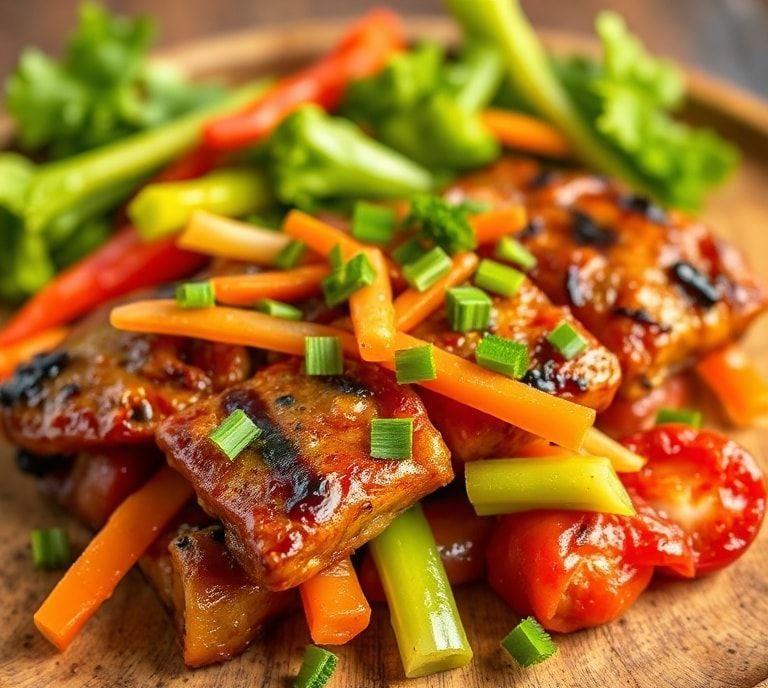
This recipe is designed to be a plant-based twist on the typical BBQ, featuring delicious vegetables, marinated tofu, and aromatic herbs. It’s perfect for a relaxed dinner party or even for those quiet nights when you just want to unwind and grill something easy but rich in flavor.
Ingredients Needed
The foundation of any great Korean BBQ lies in the balance of textures and flavors-salty, sweet, spicy, and savory. Here’s what you’ll need for your vegetarian spread:
- Tofu (firm or extra-firm): Tofu is a great protein source and holds up well to grilling. It absorbs all the beautiful flavors from the marinade, becoming a crispy yet tender bite.
- Shiitake mushrooms: These mushrooms are known for their rich umami flavor, which pairs beautifully with the other ingredients.
- Zucchini: This vegetable is mild, yet it absorbs marinades and grill smoke perfectly, making it a great choice for BBQ.
- Bell peppers: Colorful and crunchy, they add freshness and a touch of sweetness to balance the deeper flavors of other ingredients.
- Onions: For that lovely caramelized sweetness when grilled.
- Gochujang (Korean chili paste): The heart of the marinade. It’s spicy, a bit sweet, and provides that authentic Korean flavor profile.
- Soy sauce: A must for savory depth.
- Sesame oil: Adds richness and a toasty fragrance.
- Garlic: Fresh garlic is a staple in Korean cooking, adding its sharpness and aromatic punch.
- Ginger: A touch of freshness and heat to complement the garlic.
- Rice vinegar: For a slight tanginess to cut through the richness of the tofu and vegetables.
- Brown sugar or maple syrup: A bit of sweetness to round out the flavors.
- Sesame seeds: To sprinkle on top for garnish and texture.
Cooking Instructions
- Prepare the tofu: Start by pressing the tofu. This step is crucial to ensure your tofu doesn’t end up soggy. Wrap the block in a clean towel, place it on a plate, and set something heavy on top-maybe a can or a book. Let it sit for at least 15 minutes to release excess moisture. Afterward, cut the tofu into thick slices, about ½ inch each.
- Make the marinade: In a bowl, combine 2 tablespoons of soy sauce, 1 tablespoon of gochujang, 1 teaspoon of sesame oil, 1 tablespoon of rice vinegar, 2 minced garlic cloves, 1 teaspoon of freshly grated ginger, and 1 tablespoon of brown sugar or maple syrup. Whisk it all together until the sugar dissolves.
- Marinate the tofu: Place the tofu slices into the bowl with the marinade, making sure every piece is coated. Let it sit for at least 30 minutes (or up to an hour) for the flavors to meld. While the tofu marinates, prep the vegetables by slicing the zucchini, bell peppers, and onions.
- Grill the tofu and vegetables: Preheat your grill or grill pan to medium-high heat. If you’re using a grill, make sure it’s clean and lightly oiled to prevent sticking. Grill the tofu for about 3-4 minutes on each side until crispy and golden. Grill the vegetables until tender and charred, about 4-5 minutes for each side, keeping an eye on the mushrooms so they don’t overcook.
- Assemble your BBQ platter: Once everything is cooked, arrange the grilled tofu and vegetables on a large platter. Sprinkle with sesame seeds and some finely chopped green onions for a fresh garnish.
- Serve: Enjoy your vegetarian Korean BBQ with steamed rice, kimchi, or some pickled vegetables on the side for added depth. You can also serve it with lettuce leaves to wrap everything up for a fun, DIY-style meal.
Ingredient Science Spotlight
The magic of Korean BBQ comes from the interplay between different ingredients. Soy sauce, with its umami-packed profile, acts as the savory foundation of many Korean dishes, while gochujang-fermented chili paste-brings heat and a depth of flavor. The addition of sesame oil gives everything that signature nutty aroma, elevating the dish beyond the ordinary.
The tofu’s ability to absorb marinades is due to its porous structure. When pressed, tofu releases moisture, allowing the marinade to penetrate more deeply. The grilling process then caramelizes the sugars in the marinade, resulting in a beautifully crisp exterior while maintaining a soft, tender interior.
The vegetables, especially the mushrooms and zucchini, benefit from the grill’s direct heat. Grilling imparts a smoky flavor, intensifying the natural sweetness of bell peppers and the umami of shiitake mushrooms. These vegetables, especially when paired with a spicy-sweet marinade, create a flavor symphony that echoes the traditional smoky essence of Korean BBQ.
Expert Tips
- Pressing tofu properly is key: It’s easy to skip, but pressing tofu removes excess water, which helps achieve that lovely crispy texture when grilled. If you don’t have time to press it, try slicing it thinner so it can absorb the marinade more easily.
- Marinate longer for deeper flavor: While 30 minutes is good, if you have the time, marinate the tofu and vegetables for a few hours, or even overnight. The longer they sit, the more the flavors will develop.
- Use a grill basket for smaller veggies: If you’re grilling smaller vegetables like mushrooms or thinly sliced peppers, a grill basket can help prevent them from falling through the grates while still letting the smoky flavor infuse.
- Serve with a variety of sauces: I always recommend offering a few different dipping sauces-perhaps some extra gochujang for heat, a bit of soy sauce for saltiness, and a spicy-sweet sesame dressing for added richness.
Recipe Variations
- Grilled Tofu Skewers: If you want to make this recipe even more fun and interactive, thread the marinated tofu and vegetables onto skewers. This is great for BBQ gatherings and adds a bit of drama to the presentation.
- Korean BBQ ’Tacos’: Swap the rice for soft tortillas and make tacos with grilled tofu, veggies, and your favorite Korean-style toppings like kimchi, pickled cucumbers, and a drizzle of spicy mayo.
- Add Tempeh or Seitan: For a heartier alternative to tofu, you can use tempeh or seitan, both of which can hold up to the grill and take on flavors beautifully. Tempeh offers a nutty flavor and a firmer texture, while seitan has a meaty texture that’s great for BBQ.
Final Words
Cooking vegetarian Korean BBQ isn’t just about replicating the meat-based version-it’s about creating something that’s rich in flavor and fun to eat. The marinated tofu, paired with grilled vegetables and the smoky essence of the grill, brings a touch of Korean magic to your table, whether you’re vegetarian or not. It’s an experience that’s less about the individual ingredients and more about the communal joy of cooking and sharing a meal together.
FAQs
What Ingredients Can I Use To Make A Vegetarian Korean BBQ?
A vegetarian Korean BBQ can be made using a variety of plant-based ingredients that mimic the texture and flavor of traditional meats. Common choices include firm tofu, tempeh, seitan, mushrooms (such as shiitake or king oyster), eggplant, zucchini, and bell peppers. These ingredients can be marinated in a Korean BBQ sauce made from soy sauce, sesame oil, garlic, ginger, gochujang (Korean chili paste), and a touch of sugar or maple syrup to enhance sweetness.
How Do I Grill Or Cook Vegetarian Ingredients For Korean BBQ?
Vegetarian ingredients can be grilled, pan-fried, or baked depending on your setup. For grilling, lightly brush the marinated vegetables or tofu with oil to prevent sticking and cook on medium-high heat until they are nicely charred and tender. Pan-frying works well for tofu and seitan; cook them in a non-stick skillet until crispy on the edges. Baking is another option: arrange the marinated pieces on a baking sheet and roast at 400°F (200°C) for 20-25 minutes, turning halfway through to ensure even cooking.
What Are Some Tips To Make Vegetarian Korean BBQ Flavorful And Authentic?
To achieve authentic Korean BBQ flavors without meat, focus on a rich marinade and proper seasoning. Use a combination of soy sauce, sesame oil, garlic, ginger, gochujang, and sugar or maple syrup for sweetness. Let the ingredients marinate for at least 30 minutes, or ideally a few hours, to absorb the flavors. Add a sprinkle of toasted sesame seeds and chopped green onions just before serving. Serving with classic Korean sides such as kimchi, lettuce wraps, and pickled vegetables will also enhance the overall experience.