I have to admit, there’s something so comforting about a bowl of creamy, fragrant korma. It’s like a warm hug for your taste buds-a dish that combines the richness of coconut milk with a medley of aromatic spices, all wrapped up in a smooth, velvety sauce. For those who are leaning into a plant-based diet or just trying to incorporate more vegetarian meals, this Vegetarian Korma is an absolute must-try. It’s a celebration of fresh vegetables, indulgent coconut milk, and a symphony of spices. Each bite feels like you’re being transported to an aromatic, bustling kitchen in the heart of India, where the scent of turmeric, cardamom, and cumin fills the air.
Now, I don’t know about you, but when I first started cooking, I was intimidated by some of the ingredients in Indian cuisine. I’d wander through the spice aisle, feeling a little lost, wondering what each spice was going to bring to the dish. But the beauty of this recipe is that it’s not about complicated techniques-it’s about using a handful of ingredients that create layers of flavor. Trust me, once you get the hang of it, this korma will be your go-to comfort meal.
This dish is versatile, satisfying, and packed with flavor-without needing any meat. Let’s dive into this delicious vegetarian korma coconut milk recipe that will have your kitchen smelling like an Indian spice market.
Vegetarian Korma Coconut Milk Recipe
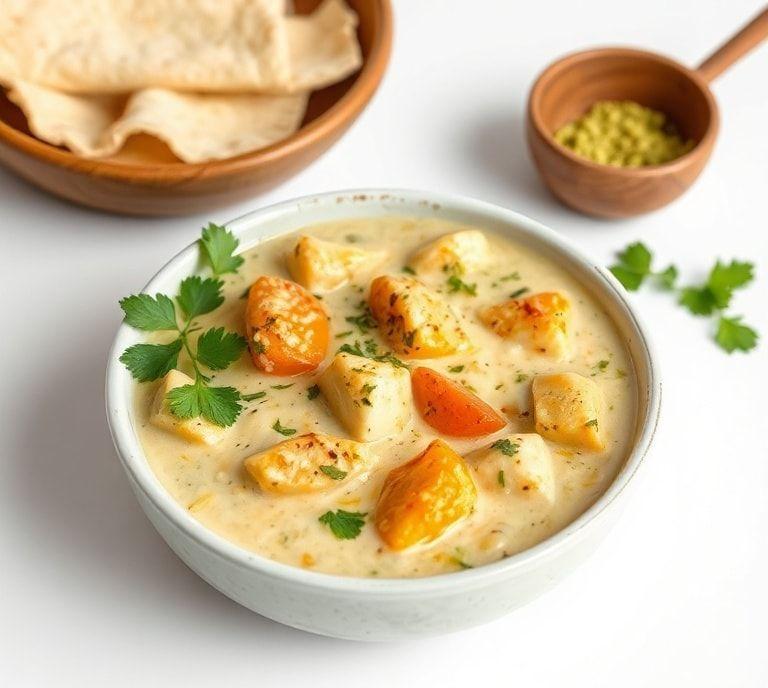
This recipe brings together the magic of coconut milk with fresh, vibrant vegetables. The rich texture of coconut milk makes the sauce creamy, while the spices give it depth and warmth. It’s everything you want in a comforting, flavorful dish. And it’s so easy to make.
Ingredients Needed
Here’s a simple breakdown of everything you’ll need for this dish:
- Vegetables: You can use any veggies you love or have in your fridge, but a combination of cauliflower, carrots, peas, and potatoes works really well. It’s about balancing textures and flavors, so feel free to mix it up.
- Coconut milk: Full-fat coconut milk is key here. It’s the star ingredient that creates the smooth, luscious sauce that makes korma so indulgent.
- Onions: Finely chopped. They provide a natural sweetness and depth to the sauce.
- Garlic and ginger: A must in most Indian dishes for that fragrant, aromatic base.
- Ground spices: We’re using turmeric, coriander, cumin, garam masala, and a pinch of cinnamon. These are the backbone of korma’s flavor.
- Chili powder: Just a pinch adds a bit of heat without making the dish too spicy.
- Cashews: Ground cashews help thicken the sauce and add a nutty, creamy richness.
- Tomato paste: It adds a bit of tang to balance the richness of the coconut milk.
- Fresh cilantro: For garnish. It adds a fresh, zesty contrast to the creamy sauce.
Cooking Instructions
- Prep the Vegetables: Start by chopping your veggies into bite-sized pieces. You want them to cook evenly, so try to keep the size consistent. If you’re using potatoes, make sure to parboil them first to speed up cooking.
- Sauté the Aromatics: Heat a tablespoon of oil in a large pan over medium heat. Add the onions and sauté them until golden brown, which should take about 5-7 minutes. This caramelizes the onions and releases their natural sweetness. Add the garlic and ginger and sauté for another minute until fragrant. The kitchen should already be starting to smell amazing.
- Spice It Up: Sprinkle in your ground spices-turmeric, cumin, coriander, garam masala, cinnamon, and a pinch of chili powder. Stir the spices into the onion mixture, letting them toast for 1-2 minutes. This releases their essential oils and deepens the flavors.
- Add the Coconut Milk and Tomatoes: Pour in the coconut milk, along with the tomato paste, and stir everything together. Let it simmer for 5-10 minutes, allowing the flavors to meld.
- Cook the Vegetables: Add your chopped vegetables to the pan, followed by a splash of water or vegetable broth to create a nice simmering liquid. Cover the pan and cook for 15-20 minutes, or until the vegetables are tender and cooked through.
- Finish with Cashews and Simmer: Stir in the ground cashews, which will thicken the sauce and add a beautiful creamy texture. Let the korma simmer for another 5 minutes, stirring occasionally.
- Garnish and Serve: Once the vegetables are tender and the sauce has thickened, remove the pan from heat. Garnish with fresh cilantro and serve over steamed rice or with warm naan. A squeeze of lime on top can add a lovely tang that balances out the creaminess of the dish.
Ingredient Science Spotlight
Let’s take a moment to appreciate the science behind a few of the key ingredients in this recipe.
- Coconut Milk: The high fat content in coconut milk is what makes the sauce so luxurious. Fat is a natural carrier of flavor, meaning it helps absorb and distribute the spices throughout the dish. Plus, the fats in coconut milk have a unique composition of medium-chain triglycerides (MCTs), which are absorbed more quickly by the body and used for energy.
- Garam Masala: This complex blend of spices (including cumin, coriander, cardamom, cinnamon, and cloves) plays a huge role in flavor development. Each of these spices has compounds that contribute to its aroma-terpenes and aldehydes in cardamom, for example, give it that warm, citrusy fragrance that really lifts the dish.
- Cashews: Besides thickening the sauce, cashews provide a rich, creamy texture. They’re also packed with healthy fats and antioxidants, which contribute to the dish’s richness without any dairy.
Expert Tips
- Toast Your Spices: When you toast spices in hot oil (or ghee if you’re not strictly vegan), you unlock their essential oils, which is what gives Indian curries that depth of flavor. Don’t skip this step!
- Balance the Creaminess: Coconut milk can be a bit sweet, so be sure to balance it with the acidity of the tomato paste and the heat from the chili powder.
- Use Fresh Ginger and Garlic: Fresh ginger and garlic really make a difference in the flavor. Pre-minced or dried versions just don’t compare when it comes to how they elevate the dish.
- Don’t Overcook the Veggies: You want your vegetables to maintain some texture. If they turn mushy, they can lose their integrity in the dish.
- Make It Ahead: Korma actually gets better as it sits, so consider making it a day ahead. The flavors will have even more time to meld together.
Recipe Variations
One of the best things about a dish like korma is how versatile it is. You can swap out the veggies for whatever you have on hand. Here are some variations to get creative with:
- Add Tofu or Tempeh: If you want some protein, try adding cubes of tofu or tempeh. Just sauté them first in a bit of oil until crispy and golden.
- Add Dried Fruits: Some versions of korma include dried fruits like raisins or apricots. They add a sweet contrast to the spicy sauce, which is absolutely delicious.
- Try Different Nuts: Cashews are classic, but if you want to mix things up, try using almonds or pistachios for a different texture and flavor.
Final Words
When you take that first bite of vegetarian korma, you realize that comfort food doesn’t always need to be heavy. It’s satisfying, rich, and full of flavor-without being overly indulgent. Whether you’re a seasoned vegetarian or just looking to explore more plant-based meals, this recipe is a fantastic option. It’s a crowd-pleaser that’s sure to win over even the most skeptical meat-eaters.
FAQs
What Vegetables Are Commonly Used In A Vegetarian Korma With Coconut Milk?
In a vegetarian korma with coconut milk, common vegetables include potatoes, carrots, peas, cauliflower, bell peppers, and spinach. These vegetables are often chosen for their ability to absorb the rich, creamy flavor of the coconut milk and spices. Some variations also include mushrooms, zucchini, and green beans, depending on personal preference or seasonal availability.
Can I Substitute The Coconut Milk In A Vegetarian Korma Recipe?
Yes, you can substitute coconut milk with other plant-based alternatives such as cashew cream, soy milk, or almond milk. However, coconut milk provides a distinct flavor and richness that is central to the korma’s traditional taste. If you use a substitute, consider adding coconut oil or shredded coconut to maintain the essence of the dish.
How Can I Make A Vegetarian Korma With Coconut Milk Spicier Or Milder?
To adjust the spice level of your vegetarian korma, you can modify the amount of spices used in the dish. For a spicier korma, increase the amount of chili powder, cayenne pepper, or fresh green chilies. To make the dish milder, reduce the amount of chili-based spices and increase the use of cooling ingredients like yogurt or additional coconut milk. Balancing the sweetness of the coconut milk with the heat of the spices is key to achieving your desired flavor profile.