Cooking is often more than just following a recipe-it’s about the stories, the memories, and the feelings tied to each meal. Food has a way of bringing people together, of creating moments that linger long after the last bite. For me, some of the best meals are those that carry a twist, something unexpected. This vegetarian lamb recipe is one of those twists-a dish that manages to capture the essence of something familiar (lamb, often associated with hearty, comforting meals) but in a surprising, plant-based form.
If you’ve ever wondered how to recreate the rich flavors of lamb without using any meat, you’re not alone. A vegetarian alternative can not only satisfy your craving for the taste and texture of lamb but also surprise your taste buds with how well plants can mimic the savory depth of meat. This recipe is a personal favorite of mine, one that I stumbled upon during a quiet afternoon of experimenting in the kitchen. The result? A dish that blends tradition with innovation.
Vegetarian Lamb Recipe
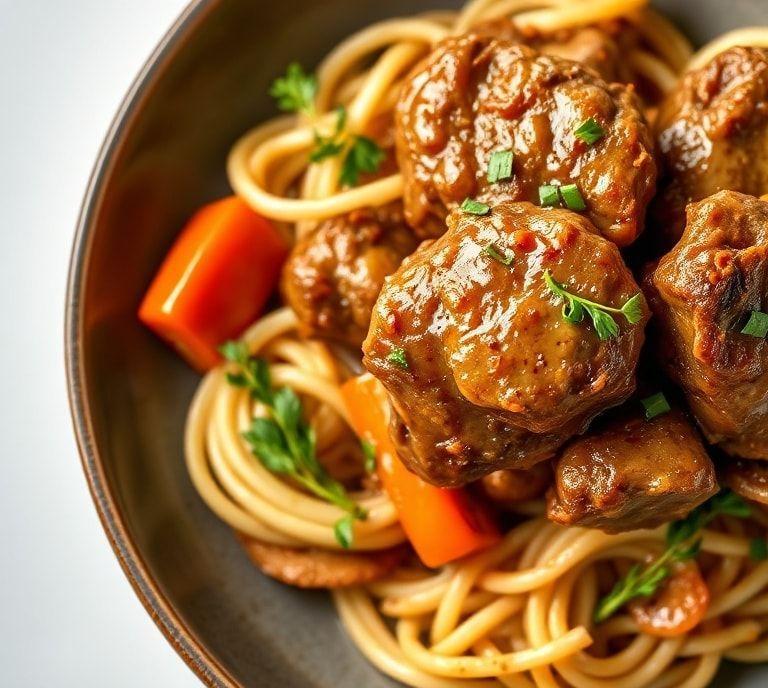
The recipe itself is all about balance. The flavor profile is complex-earthy, umami, with the right amount of spice to elevate it. It’s not just a simple vegetarian substitute, but a full-fledged experience. If you’ve been looking for a way to recreate the magic of lamb but want to take a more sustainable or plant-based route, this vegetarian lamb recipe is a great starting point.
I’ll be honest: the first time I made this, I didn’t expect it to work. It felt like an experiment in my kitchen, one of those “What if”? moments. The ingredients, the spices, the technique, all of it just clicked. I was pleasantly surprised when I tasted the dish-it really captured the flavors of lamb without the actual meat. If you’re curious about how it all comes together, let’s dive into the ingredients and steps that will lead to this beautiful creation.
Ingredients Needed
To recreate this dish, you’ll need a mix of vegetables, grains, and legumes that work together to mimic the richness and texture of lamb. But what’s essential here is the blend of spices-the spices are what really carry the dish. Here’s what you’ll need:
- Lentils: The backbone of the dish. These small, tender legumes have a texture that works perfectly to mimic the tender, shredded feel of lamb.
- Mushrooms: They add that meaty depth of flavor and a little chew. I often use cremini mushrooms for their earthy notes, but button mushrooms work just fine.
- Wheat gluten: Also known as vital wheat gluten, this ingredient is key to creating the meaty, chewy texture that makes this dish feel like the real thing.
- Spices: A mix of cumin, smoked paprika, coriander, and garlic powder gives this dish a rich, savory flavor. If you like it spicier, you can throw in some chili flakes.
- Soy sauce: This brings a deep umami flavor and saltiness, enhancing the meaty feel of the dish.
- Tomato paste: Adds richness and a touch of sweetness to balance the savory elements.
- Olive oil: For sautéing and adding a bit of richness to the filling.
Cooking Instructions
Cooking this dish is fairly simple, though it requires a little patience to let all the ingredients come together. Here’s how to do it:
- Prepare the lentils: Start by cooking your lentils. In a pot, combine 1 cup of lentils with 3 cups of water and bring it to a boil. Reduce the heat and let it simmer for about 25 minutes, or until they’re soft but still hold their shape. Drain any excess water.
- Cook the mushrooms: While the lentils are cooking, heat a tablespoon of olive oil in a large skillet. Add your chopped mushrooms (about 2 cups) and cook them down until they release their moisture and become nice and tender-about 7 minutes. The mushrooms will shrink, but they’ll start to take on that lovely, savory flavor.
- Make the ’lamb’ mixture: Once the mushrooms are cooked, add the cooked lentils to the skillet. Add the wheat gluten, soy sauce, tomato paste, garlic powder, cumin, paprika, coriander, and any other spices you like. Stir everything together and cook for about 5 minutes. You’ll start to notice how the wheat gluten starts to absorb the flavors and form a chewy, meat-like texture.
- Shape the mixture: Transfer the mixture to a sheet of parchment paper and shape it into a loaf or patty shape, depending on how you want to serve it. For a loaf, simply mold it into a log; for patties, form individual discs.
- Cook the vegetarian lamb: Heat a bit more olive oil in the pan, and cook the formed mixture over medium heat for 4-5 minutes on each side, until it’s crispy on the outside but still tender inside.
- Serve and enjoy: You can serve this vegetarian lamb on a bed of couscous, wrapped in flatbread with veggies, or even on a sandwich with some fresh herbs. The possibilities are endless!
Ingredient Science Spotlight
Let’s take a moment to talk about the science behind some of these ingredients, because the magic in this recipe comes from how well they work together.
- Lentils: They’re not just healthy, but they’re also great at absorbing flavors. Their texture mimics meat quite well, and they hold up in cooking without turning mushy.
- Mushrooms: These little guys are naturally packed with umami, the savory ’fifth taste’ that makes food feel hearty and satisfying. When cooked, they release moisture and take on a meaty texture, making them an ideal partner for this recipe.
- Wheat gluten: Vital wheat gluten is a plant-based protein, and when combined with liquid and kneaded, it forms a dense, chewy texture. This is what gives the dish its meat-like bite.
Expert Tips
- Texture is key: Make sure you don’t overcook the lentils. They should be tender but not falling apart. The wheat gluten will absorb liquid and become chewy, but it needs that base of lentils for texture.
- Season generously: Spices are what make this vegetarian lamb shine, so don’t be shy. Add extra cumin for a warm, smoky flavor or chili flakes for some heat.
- Try different mushrooms: While cremini mushrooms are great, try using shiitake or portobello for even more depth in flavor.
- Don’t skip the soy sauce: It’s one of the key ingredients that gives the dish that umami richness, which is essential for making the dish feel meaty. A splash of tamari or liquid aminos can work in place of soy sauce if you prefer gluten-free options.
Recipe Variations
While this recipe is already versatile, there are a few ways you can make it your own:
- Add more vegetables: You could sneak in some finely chopped carrots, celery, or bell peppers to bulk up the filling.
- Use different grains: If lentils aren’t your thing, try chickpeas or even quinoa to create a base for your mixture.
- Change up the herbs and spices: For a more Mediterranean twist, try adding rosemary, thyme, or oregano. A pinch of cinnamon or nutmeg could also give it a unique flavor profile.
- Make it into a stew: For a cozy winter dish, you could turn this mixture into a stew by adding some vegetable broth and additional vegetables like potatoes, carrots, and peas.
Final Words
This vegetarian lamb recipe is more than just a substitution; it’s a celebration of how creative cooking can be. It’s about finding new ways to enjoy familiar flavors, to surprise your senses, and to enjoy a dish that both challenges and comforts. Whether you’re cooking for yourself or sharing with loved ones, I think this recipe will do exactly that. It’s a dish that feels like home but also a little bit like adventure.
FAQs
What Are The Main Ingredients In A Vegetarian Lamb Recipe?
A vegetarian lamb recipe typically substitutes lamb with plant-based proteins such as jackfruit, tofu, or seitan. Common additional ingredients include garlic, onions, spices (like cumin, coriander, and turmeric), olive oil, and vegetable broth to replicate the flavor and texture of lamb. Fresh herbs like mint and parsley are often used to enhance the taste.
How Do I Make Vegetarian Lamb Taste Like Real Lamb?
To make vegetarian lamb taste like real lamb, the key lies in using a combination of spices and ingredients that mimic the rich and savory profile of lamb. Spices such as smoked paprika, cumin, coriander, and cinnamon are essential for a more authentic flavor. Marinating the plant-based protein in a mixture of soy sauce, lemon juice, garlic, and herbs helps deepen the flavor. Additionally, cooking techniques like grilling, roasting, or braising can help achieve a similar texture to lamb.
Can I Make A Vegetarian Lamb Recipe In Advance?
Yes, you can make a vegetarian lamb recipe in advance. Many plant-based lamb substitutes, like jackfruit or seitan, can be prepared ahead of time and stored in the refrigerator for up to 2-3 days. If you’re using a stew or braised dish, it often tastes even better after resting for a day or two, as the flavors continue to meld. Reheat thoroughly before serving.