There’s something about the comforting layers of lasagna that make it a timeless classic. Whether it’s the way the sauce bubbles up over the noodles, or the rich aroma that fills the house as it bakes, lasagna is one of those dishes that feels like a warm embrace. Now, if you’re like me, you’ve probably experienced the joy of a hearty meat lasagna, but have you ever tried a vegetarian version? It’s equally satisfying, and dare I say, even more delicious than the traditional kind. For me, this veggie lasagna became a staple not out of necessity (I’m not vegetarian), but out of a desire to try something lighter, fresher, and just as indulgent.
Making this lasagna is like a little ritual – one that’s as much about the process as it is about the end result. I always love how each layer builds upon the next, creating a mosaic of flavors and textures that hit just the right note. Whether you’re hosting a dinner party, looking for a weeknight meal, or simply craving comfort food, this vegetarian lasagna is the answer. It’s a perfect balance of flavor, texture, and heartiness, minus the meat.
Let me walk you through this recipe that’s a guaranteed crowd-pleaser, even for the most dedicated carnivores in your life.
Vegetarian Lasagna Recipe
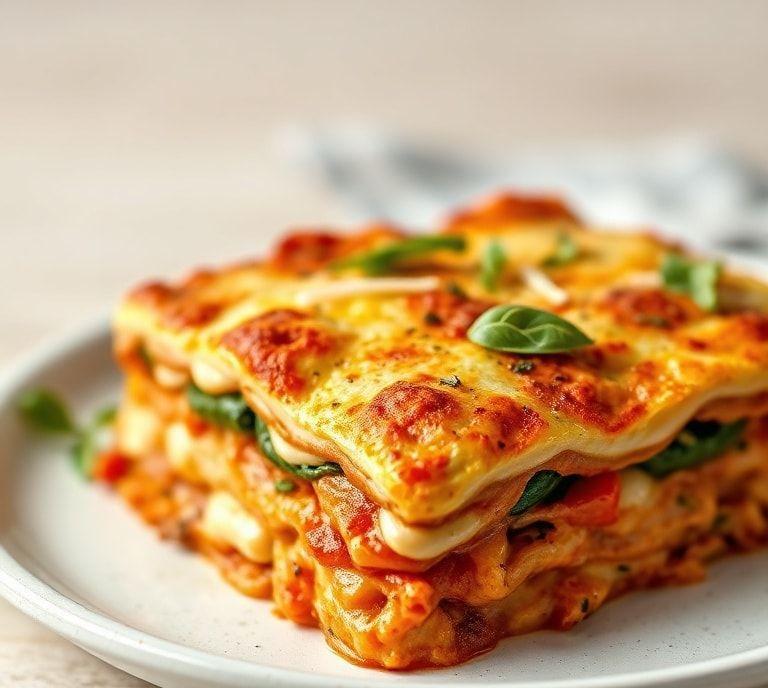
So, here’s the deal. I wanted to create a vegetarian lasagna that feels like the real thing – no compromises on flavor or texture. I love a lasagna with layers of richness, a little bit of tang from the sauce, and that gooey, melty cheese that gives every bite its irresistible pull. For this version, I’m using an array of veggies and a mix of cheeses to make sure every bite is packed with flavor. The combination of spinach, mushrooms, zucchini, and bell peppers makes for a colorful and satisfying dish.
Ingredients Needed
This isn’t one of those recipes where you need to go on an exotic treasure hunt for ingredients. In fact, many of the veggies in this lasagna are staples I always have on hand – you can swap in others if you prefer!
Here’s what you’ll need:
- 12 lasagna noodles (regular or no-boil, whichever you prefer)
- 1 large zucchini, thinly sliced
- 2 cups spinach (fresh or frozen)
- 1 bell pepper, diced (I usually go for red or yellow for a bit of sweetness)
- 1 cup mushrooms, sliced (I use cremini for a meaty texture, but any will do)
- 2 cups ricotta cheese (I opt for full-fat because it gives the best texture, but you can go light if you prefer)
- 2 cups shredded mozzarella cheese (again, full-fat is ideal for that creamy, stretchy goodness)
- 1/2 cup grated Parmesan cheese
- 3 cups marinara sauce (I recommend homemade if you have the time, but a good quality store-bought version will work just fine)
- 1 egg (to mix with the ricotta for that creamy layer)
- 1 tbsp olive oil
- 1 tsp garlic powder
- 1 tsp dried oregano
- Salt and pepper (to taste)
Cooking Instructions
Now, let’s get cooking! It’s a bit of a step-by-step process, but each part is super simple. Once everything is assembled, the oven does most of the work for you.
- Prepare the noodles: If you’re using regular lasagna noodles, boil them according to package instructions. Drain them and set them aside, making sure to toss them with a bit of olive oil to prevent sticking.
- Sauté the veggies: Heat the olive oil in a large pan over medium heat. Add the zucchini, bell pepper, and mushrooms, and sauté them for about 5 minutes until they’re softened. Season with garlic powder, oregano, salt, and pepper. Add the spinach at the end and cook just until it wilts down. Set the veggie mixture aside.
- Prepare the cheese mixture: In a mixing bowl, combine the ricotta cheese, half of the mozzarella, and Parmesan. Crack in the egg and stir to combine. This creamy mixture will form the next layer in your lasagna.
- Assemble the lasagna: Preheat your oven to 375°F (190°C). Spread a thin layer of marinara sauce at the bottom of your baking dish. Then, place your first layer of lasagna noodles on top of the sauce. Spread half of the cheese mixture over the noodles, then top it with half of the sautéed veggie mix. Add another layer of noodles, and repeat the process: sauce, cheese mixture, veggies, and noodles. Finish with a final layer of noodles, and top with the remaining marinara sauce and mozzarella cheese.
- Bake it: Cover your baking dish with aluminum foil (to prevent it from drying out) and bake for 30 minutes. After 30 minutes, remove the foil and bake for an additional 10 minutes, or until the cheese on top is golden and bubbly.
- Cool and serve: Let the lasagna rest for about 10 minutes before cutting into it. This allows the layers to set, and makes for a much cleaner slice.
Ingredient Science Spotlight
Now, let’s take a little detour and talk about some of the ingredients that make this dish work. I love geeking out over the science of food – not only does it make cooking more fun, but it helps me understand why certain combinations just click.
- Ricotta Cheese: This soft cheese is a key player in lasagna because of its creamy, slightly grainy texture. It doesn’t melt down too much, but instead, it holds its shape while offering a mild flavor. The egg mixed into it helps it set, providing that luscious, creamy layer you want in every bite.
- Spinach: Spinach is packed with iron and a variety of nutrients, but when cooked, it wilts down considerably. That’s why you don’t need much of it to get the nutritional benefit and flavor. Plus, it adds a lovely green color and some earthiness that balances out the richness of the cheese.
- Mushrooms: These little fungi are like a meat substitute in vegetarian dishes. Their umami flavor and texture make them perfect for absorbing all the savory flavors of the sauce and giving the lasagna that hearty, satisfying feel.
Expert Tips
Here are a few tips from my kitchen to help you make this lasagna even better:
- Don’t overcook your noodles: If you’re using regular lasagna noodles, undercook them just slightly. They will continue cooking as the lasagna bakes, so you don’t want them mushy.
- Make it ahead of time: Lasagna is one of those dishes that benefits from sitting for a few hours (or even overnight). If you assemble it in advance and let the flavors meld, you’ll end up with an even more flavorful dish.
- Be generous with the cheese: I’m a firm believer in adding extra cheese. Go ahead, pile on some extra mozzarella on top. It’ll create a perfectly golden, bubbly crust.
- Use fresh herbs: If you’ve got basil or fresh oregano on hand, sprinkle some on top before serving. It adds a fragrant, bright note that complements the richness of the dish.
Recipe Variations
The beauty of lasagna lies in its versatility. You can tweak this recipe to fit your preferences, or what you’ve got in the fridge.
- Swap the veggies: If zucchini isn’t your thing, try eggplant, roasted sweet potatoes, or even cauliflower. Roasted carrots add a lovely sweetness.
- Use different cheeses: If ricotta isn’t your favorite, try mascarpone or a combination of cottage cheese and cream cheese for a similar texture. Goat cheese adds a tangy twist!
- Make it vegan: Easily swap out the cheeses for plant-based versions (there are excellent vegan ricottas and mozzarella alternatives). You can also replace the egg with a flax egg.
Final Words
This vegetarian lasagna is all about balance: the richness of the cheese, the hearty vegetables, and the boldness of the marinara sauce. It’s not just about filling your stomach – it’s about filling your heart with a sense of comfort, warmth, and satisfaction. I can’t tell you how many times I’ve come home after a long day, popped this lasagna in the oven, and felt the weight of the day melt away as the smell of it baking filled the house.
FAQs
What Vegetables Can I Use In A Vegetarian Lasagna?
In a vegetarian lasagna, you can use a variety of vegetables such as zucchini, spinach, mushrooms, bell peppers, eggplant, and onions. These vegetables provide both flavor and texture to the dish. You can either layer them individually or mix them together for a more balanced flavor profile.
Can I Make A Vegetarian Lasagna Without Ricotta Cheese?
Yes, you can make a vegetarian lasagna without ricotta cheese. Some common alternatives include using cottage cheese, mascarpone, or even a plant-based ricotta made from tofu or cashews. These substitutes offer a similar creamy texture and mild flavor, making them great alternatives for those avoiding dairy.
Can I Prepare Vegetarian Lasagna In Advance And Freeze It?
Yes, vegetarian lasagna can be made in advance and frozen. To do so, prepare the lasagna as usual, but do not bake it. Instead, cover it tightly with plastic wrap or aluminum foil and place it in the freezer. When you’re ready to eat it, allow it to thaw in the refrigerator overnight, then bake as directed. This helps preserve the flavor and texture of the dish.