When it comes to comfort food, few dishes have the staying power of lasagna. The layers of savory sauce, melting cheese, and tender pasta create a meal that’s as satisfying as it is delicious. But as much as I love a classic meat lasagna, there’s something incredibly satisfying about a vegetarian version that can stand up to its meaty counterpart-especially when it’s made with a creamy, tangy ricotta filling. This dish has all the warmth and richness of traditional lasagna but without the meat, so it’s perfect for vegetarians, flexitarians, or anyone just craving a lighter, veggie-packed twist.
For me, the best part of making a vegetarian lasagna is the versatility. You can pack it with all kinds of vegetables-spinach, zucchini, mushrooms, and even roasted butternut squash-and each bite is a little bit different. It’s the kind of dish that feels comforting but also vibrant, with a nice balance of textures and flavors. And while lasagna may seem like a labor of love (it is), the payoff is absolutely worth the effort. Plus, there’s something satisfying about assembling layers and then watching it all come together in the oven, the smell of cheese and tomatoes wafting through the house.
I’m excited to share a recipe that’s close to my heart: Vegetarian Lasagna with Ricotta. It’s my go-to when I’m hosting a crowd or just need a solid weeknight dinner that’s hearty enough to be comforting but not so heavy you’ll need a nap afterward. Let’s dive in, shall we?
Vegetarian Lasagna Ricotta Recipe
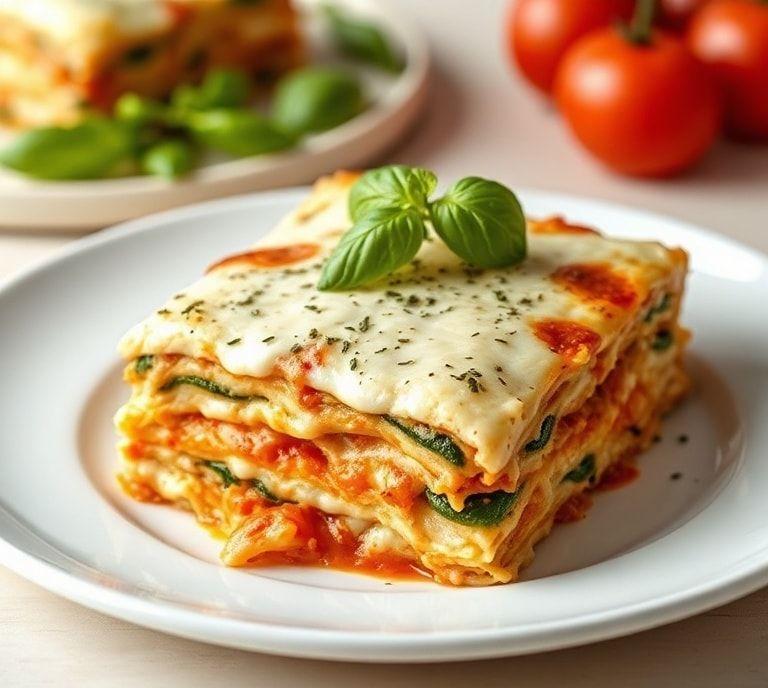
This recipe is all about balance-there’s the creamy ricotta filling, savory marinara sauce, fresh vegetables, and gooey mozzarella. The ricotta is key because it gives the lasagna a rich, creamy texture without feeling too heavy. Every layer comes together seamlessly, and it’s one of those dishes that only gets better after sitting in the fridge for a day or two.
Ingredients Needed
For this recipe, you’ll want to make sure you have everything prepped and ready to go. Here’s what you’ll need:
For The Lasagna
- 12 no-boil lasagna noodles (these save so much time-trust me, you don’t want to cook regular lasagna noodles for this)
- 2 cups ricotta cheese (whole milk or part-skim works, depending on your preference)
- 2 cups shredded mozzarella cheese
- 1/2 cup freshly grated Parmesan cheese (don’t skimp on this-it’s the secret to a great cheesy flavor)
- 1 egg (to bind the ricotta mixture together)
- 1 tablespoon fresh basil, chopped (or 1 teaspoon dried if that’s all you have)
- Salt and pepper to taste
For The Veggie Filling
- 2 cups fresh spinach (or 1 ½ cups frozen spinach, thawed and squeezed dry)
- 1 small zucchini, thinly sliced
- 1 cup mushrooms, sliced (cremini or button mushrooms work best)
- 1 small onion, finely chopped
- 2 cloves garlic, minced
- 1 tablespoon olive oil
- 2 cups marinara sauce (store-bought or homemade, I love making my own but store-bought is great if you’re in a pinch)
Cooking Instructions
-
Preheat The Oven
Start by preheating your oven to 375°F (190°C). Lasagna takes a little time, so you want to make sure the oven is fully heated when it’s time to pop it in.
-
Sauté The Vegetables
In a large pan, heat olive oil over medium heat. Add the chopped onions and garlic, and sauté for about 2 minutes until softened and fragrant. Add the zucchini and mushrooms, and cook for about 5 minutes, until they’ve released their moisture and softened. Finally, add the spinach (if using fresh) and cook just until wilted. Season with salt and pepper to taste, then set aside.
-
Prepare The Ricotta Mixture
In a large bowl, combine ricotta cheese, egg, chopped basil, half of the Parmesan, and a pinch of salt and pepper. Stir until everything is well mixed and smooth.
-
Assemble The Lasagna
If you’re using no-boil lasagna noodles, there’s no need to cook them ahead of time. Just layer them straight into your baking dish. Start by spreading a thin layer of marinara sauce at the bottom of a 9×13-inch baking dish. Add a layer of noodles on top, then spread half of the ricotta mixture over the noodles. Next, spoon half of the sautéed vegetable mixture over the ricotta. Sprinkle with a little mozzarella and Parmesan, then add another layer of noodles. Repeat the process-sauce, ricotta, veggies, mozzarella-until all your ingredients are layered in the dish. Top with the remaining mozzarella and Parmesan cheese.
-
Bake
Cover the lasagna with foil and bake for 25 minutes. After that, remove the foil and bake for another 15 minutes, or until the top is golden and bubbly.
-
Rest Before Serving
It’s tempting to dive right in, but let your lasagna rest for at least 10 minutes after it comes out of the oven. This allows the layers to set and makes it easier to slice.
Ingredient Science Spotlight
Let’s take a moment to appreciate the science behind some of the key ingredients in this dish:
- Ricotta Cheese: Ricotta is a soft cheese with a high moisture content, making it perfect for lasagna. It creates a rich, creamy texture that binds all the layers together without overwhelming the dish. The addition of an egg helps to set the ricotta and adds structure to the lasagna, ensuring it holds together when sliced.
- Mozzarella: This cheese is prized for its melting properties. When mozzarella is baked, it becomes gooey and stringy, creating the perfect cheesy layers. It also balances the richness of the ricotta with its slightly milder flavor.
- Vegetables: Sautéing vegetables before adding them to the lasagna is a key step to prevent excess moisture from making the dish soggy. For example, mushrooms release a lot of liquid during cooking, which can cause the lasagna to become too watery if not cooked off beforehand. By sautéing them first, you ensure the final dish is hearty but not overly wet.
Expert Tips
- Let it Sit: I know it’s hard to resist, but letting your lasagna rest for at least 10 minutes after baking will make a huge difference. It allows the cheese to set, making slicing much easier and giving you those perfect, neat layers.
- Add More Veggies: You can totally customize this lasagna with other veggies. Try adding roasted butternut squash, eggplant, or even a layer of thinly sliced sweet potatoes for a seasonal twist.
- Make it Ahead: Lasagna actually improves after a day or two in the fridge. If you have time, make it ahead of time and bake it the next day for even better flavor.
- Be Generous with the Sauce: Don’t skimp on the marinara sauce. A good, flavorful sauce is the backbone of any lasagna. Homemade sauce is ideal, but if you’re using store-bought, try to pick one that has deep, bold flavor.
Recipe Variations
- Vegan Version: Substitute the ricotta for a plant-based ricotta (made from tofu or almonds) and use vegan mozzarella. You can also swap out the egg for a flax egg (1 tablespoon ground flaxseed + 3 tablespoons water, mixed and allowed to sit for a few minutes to thicken).
- Add Protein: If you’re craving some protein, try adding cooked lentils or crumbled tofu to the veggie mixture. It will give the dish a more ’meaty’ texture while keeping it vegetarian.
- Cheesy Delight: If you love cheese, add an extra layer of cheese in the middle. A mix of ricotta, mozzarella, and even a little provolone makes for a super cheesy experience.
Final Words
This vegetarian lasagna is the kind of meal that brings people together. It’s hearty enough for a special occasion but simple enough to enjoy on a busy weeknight. There’s something magical about the combination of melted cheese, perfectly cooked pasta, and rich marinara, all layered into a perfect slice.
And let’s not forget about the vegetables! They provide texture, flavor, and a little nod to health. Sure, it’s comfort food, but it’s a version of comfort food that makes you feel good about what you’re eating, too.
FAQs
What Are The Key Ingredients In A Vegetarian Lasagna With Ricotta?
The key ingredients in a vegetarian lasagna with ricotta include lasagna noodles, ricotta cheese, mozzarella cheese, Parmesan cheese, marinara sauce, spinach or other leafy greens, onions, garlic, and various vegetables like zucchini, bell peppers, and mushrooms. Herbs such as basil, oregano, and thyme are also essential for flavor.
Can I Use A Dairy-free Alternative For Ricotta In A Vegetarian Lasagna?
Yes, you can substitute traditional ricotta with dairy-free options such as tofu ricotta, which is made by blending silken tofu with nutritional yeast, lemon juice, and seasonings. Another option is almond ricotta, made with ground almonds and a little water or plant-based milk to achieve a similar consistency to dairy ricotta.
How Long Should I Bake Vegetarian Lasagna With Ricotta?
Bake vegetarian lasagna with ricotta at 375°F (190°C) for about 40-45 minutes. It’s important to cover the lasagna with aluminum foil for the first 30 minutes to prevent the top from burning, then uncover for the last 10-15 minutes to allow the cheese to brown and become bubbly.