If you’re looking for a cozy, comfort-food meal that’s rich in flavor but doesn’t come with the heaviness of traditional lasagna, you’ve found the right place. There’s something about a vegetarian lasagna made with a creamy spinach white sauce that just feels like a warm hug on a plate. It’s one of those dishes that brings back memories for me: making it on a lazy Sunday afternoon, the kitchen smelling like garlic, melted cheese, and fresh herbs.
I first tried this version of lasagna on a whim at a small Italian cafe in the heart of the city. I wasn’t sure what to expect when I saw ’vegetarian’ on the menu, but after the first bite, I knew I’d found something special. The layers of pasta, combined with the fresh spinach and creamy sauce, created a rich, satisfying experience without feeling too heavy. That’s when I knew I had to recreate it at home. So, over the years, I’ve perfected my take on this dish, tweaking the ingredients and the sauce, ensuring each layer delivers a comforting, flavorful bite.
Let’s dive in and make your next meal one that will have everyone asking for seconds-maybe even thirds.
Vegetarian Lasagna Spinach White Sauce Recipe
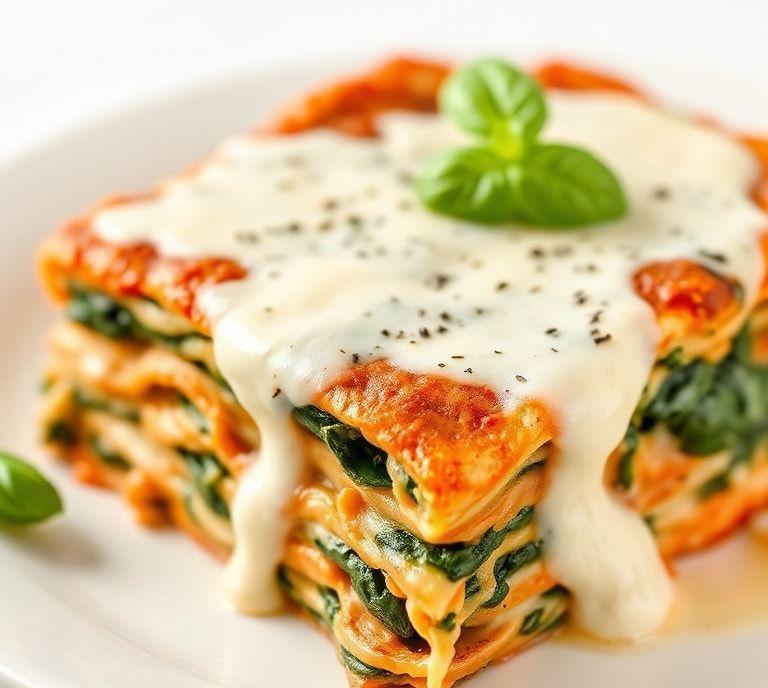
This recipe offers all the indulgence of a classic lasagna but with a twist-vegetarian-friendly, lightened up with spinach, and enriched with a smooth white sauce. It’s a great choice for a hearty dinner or even as part of a weekend meal prep. Plus, it’s a great way to sneak in some extra veggies without anyone noticing.
Ingredients Needed
Here’s what you’ll need to assemble this lasagna. It’s simple, but the ingredients create a dish that’s anything but basic.
For The Spinach White Sauce
- 2 tablespoons of unsalted butter
- 2 tablespoons of all-purpose flour
- 2 cups of whole milk (you could substitute with a non-dairy milk like almond or oat milk for a dairy-free version)
- 1 cup of grated Parmesan cheese
- 2 cups of fresh spinach (you can also use frozen spinach if you’re in a pinch-just make sure to drain it thoroughly)
- 1 clove of garlic, minced
- Salt and pepper to taste
- A pinch of nutmeg (this adds a little depth to the white sauce)
For The Lasagna
- 9-12 lasagna noodles (depending on your dish size)
- 2 cups of ricotta cheese
- 2 cups of shredded mozzarella cheese
- 1 cup of grated Parmesan cheese
- 1 large egg
- 1 tablespoon of dried oregano
- 1 tablespoon of dried basil
- Fresh spinach (you can add more here if you want extra veggie layers)
- Olive oil for sautéing the spinach
Cooking Instructions
Step 1: Prepare The Lasagna Noodles
Boil a large pot of salted water. Add your lasagna noodles and cook them according to the package directions. Once they’re done, drain them and rinse with cold water to stop the cooking process. Lay them flat on a sheet of parchment paper or a clean kitchen towel so they don’t stick together.
Step 2: Make The Spinach White Sauce
In a large saucepan, melt the butter over medium heat. Once melted, whisk in the flour to create a roux. Stir it constantly for about 2 minutes to cook off the raw flour taste. Slowly add the milk, whisking continuously to avoid lumps. Let the sauce simmer for about 5-7 minutes until it thickens to the consistency of heavy cream.
Add the garlic, spinach, and a pinch of nutmeg. Stir the spinach into the sauce until it wilts, then season with salt and pepper. Finally, stir in the grated Parmesan cheese until it’s melted and the sauce is smooth. Set this aside for later.
Step 3: Prepare The Ricotta Mixture
In a medium bowl, mix together the ricotta, egg, dried oregano, dried basil, and a pinch of salt. Stir until well combined and creamy.
Step 4: Assemble The Lasagna
Preheat your oven to 375°F (190°C). Spread a thin layer of the spinach white sauce at the bottom of your baking dish. Then, layer your noodles on top. Spread a portion of the ricotta mixture, followed by a layer of mozzarella, a handful of spinach, and more of the spinach white sauce.
Repeat this process-noodles, ricotta, mozzarella, spinach, white sauce-until you’ve used all the ingredients. Finish off the lasagna with a generous layer of mozzarella and a sprinkle of Parmesan.
Step 5: Bake The Lasagna
Cover the lasagna with aluminum foil and bake it for 25 minutes. Then, remove the foil and bake for another 10-15 minutes until the cheese is golden and bubbly. Let the lasagna rest for about 10 minutes before slicing into it.
Ingredient Science Spotlight
I’ve always been fascinated by how different ingredients interact in a recipe, and lasagna is the perfect example of this. Let’s talk about some of the key components that make this dish so mouthwatering.
- Spinach: Spinach is not only packed with nutrients (like vitamins A and C), but it also has this natural ability to absorb the flavors of the surrounding ingredients. When sautéed and mixed into the white sauce, it releases moisture and helps balance out the richness of the cheese. The spinach acts as a counterpoint to the creamy sauce, giving the lasagna a lighter, fresher feel.
- Parmesan: A sharp, salty cheese like Parmesan adds depth and complexity to the white sauce. It also helps create that lovely, golden crust on top of the lasagna. The umami in Parmesan enhances the other flavors, making everything taste more vibrant.
- Ricotta: This creamy cheese is an essential part of the lasagna structure. The ricotta provides a soft, smooth texture that contrasts with the heartier pasta layers. It also helps bind the layers together, making each bite cohesive.
- Nutmeg: Adding just a pinch of nutmeg to the white sauce might seem odd, but it’s a classic trick. Nutmeg adds a hint of warmth and complexity that makes the sauce taste fuller. It doesn’t overwhelm the dish, but subtly enhances the creamy flavors.
Expert Tips
- Prevent Soggy Lasagna: One common issue with lasagna is it becoming watery. To avoid this, make sure to properly drain any excess moisture from the spinach (especially if you’re using frozen spinach). You can also bake your lasagna uncovered for a few extra minutes at the end to allow the sauce to thicken.
- Layer Smartly: Be sure to spread the sauce evenly between the layers. You want each bite to be balanced-some spinach, some cheese, and some sauce. Don’t overload any one layer.
- Rest Your Lasagna: Let your lasagna rest for at least 10 minutes after baking. This helps the layers set and makes it easier to slice without everything falling apart.
Recipe Variations
- Non-Dairy Options: You can easily make this recipe dairy-free by swapping the milk for a plant-based milk (like oat milk) and using a dairy-free cheese blend. For the ricotta, try a tofu-based alternative or cashew ricotta.
- Add Mushrooms: If you want to give this lasagna more earthiness, sauté some mushrooms with the spinach. Mushrooms pair beautifully with the creamy white sauce and add texture.
- Spicy Kick: For those who enjoy a little heat, a dash of red pepper flakes in the white sauce can provide a subtle spicy backdrop that contrasts nicely with the richness of the cheese.
Final Words
Whether you’re cooking for a special occasion, family dinner, or just treating yourself to something comforting, this vegetarian lasagna will not disappoint. The creamy spinach white sauce gives it a lighter, more sophisticated twist while still delivering the indulgence you crave. It’s the kind of dish that gets better with each bite, leaving you feeling satisfied but not overly stuffed.
FAQs
Can I Use Regular Pasta Instead Of Gluten-free Pasta For This Vegetarian Lasagna?
Yes, you can use regular lasagna noodles instead of gluten-free pasta. The recipe will work well with traditional wheat-based pasta. However, ensure the noodles are pre-cooked according to the package instructions if they are not the no-boil variety.
How Do I Prevent The Lasagna From Becoming Too Watery With Spinach In The White Sauce?
To prevent a watery lasagna, make sure to thoroughly drain and squeeze out excess moisture from the spinach before adding it to the white sauce. Additionally, avoid overcooking the spinach, as this will release more liquid. You can also consider using a thicker white sauce, such as one made with a roux (butter and flour mixture), to maintain a creamy consistency.
Can I Substitute The White Sauce With A Different Sauce, Like Marinara, In This Vegetarian Lasagna Recipe?
Yes, you can substitute white sauce with marinara sauce or another tomato-based sauce. However, using marinara will change the flavor profile of the lasagna. White sauce typically adds a rich and creamy texture, while marinara will offer a tangy and slightly acidic taste. If you’re aiming for a vegetarian version with spinach, both options work well, but it depends on whether you want a creamy or tomato-based lasagna.