I’ll admit, lo mein has always been one of those dishes that’s close to my heart. Growing up, Chinese takeout was a weekly ritual in my family. I remember the smell of soy sauce and ginger wafting through the air as my mom and I unpacked the little white takeout boxes. It always felt like a little celebration, even on the most mundane days.
Over the years, I’ve played around with my own versions of lo mein, always trying to find the perfect balance of flavor and texture. One of the best things about it is how customizable it is-you can swap ingredients to suit your taste, and it still feels like a comforting, indulgent meal. Today, I’m excited to share a vegetarian lo mein recipe that’s easy to make at home, packed with vibrant vegetables, and totally satisfying. The best part? You can make it all in one pan and have dinner ready in less than 30 minutes. Let’s dive in!
Vegetarian Lo Mein Recipe
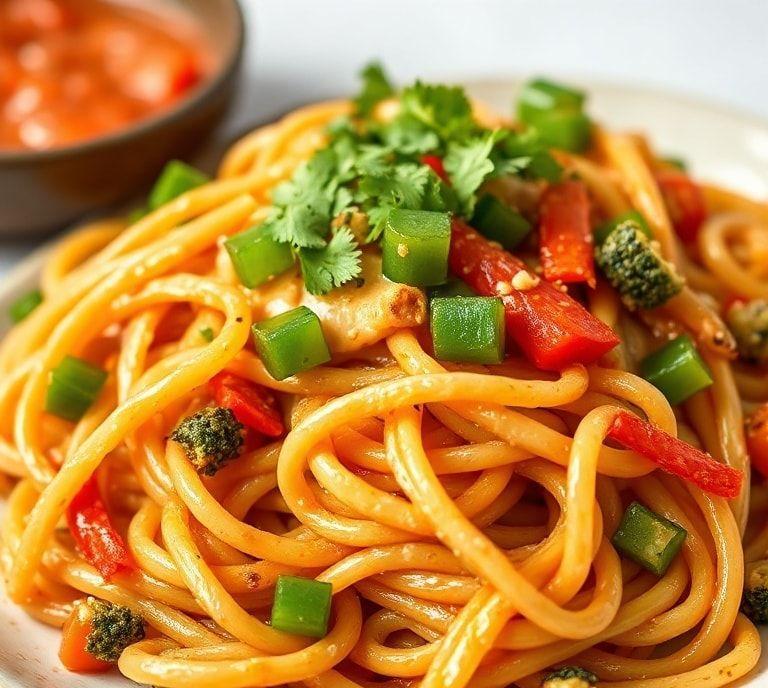
When it comes to lo mein, the noodles are, of course, the star of the show. But what really elevates it to something special is the sauce and the variety of veggies that balance out the richness. This vegetarian lo mein recipe uses mushrooms, bell peppers, carrots, and bok choy-nothing too fancy, just fresh ingredients that combine to give you that authentic flavor without any meat.
I can already imagine the satisfying sizzle of the noodles in the hot wok, the glossy sheen of the sauce coating every ingredient. And with a perfect balance of salty, umami-rich soy sauce and a hint of sweetness from the hoisin, this dish becomes something you’ll crave again and again.
Ingredients Needed
Before we jump into cooking, let’s talk about the ingredients. You’ll need the following:
- Lo mein noodles: These are the key ingredient! You can use fresh or dried noodles, depending on what you can find. The soft, slightly chewy texture of the noodles is exactly what makes lo mein so satisfying.
- Soy sauce: The backbone of this dish. It brings that rich, savory umami flavor. You can use regular or low-sodium, depending on your preferences.
- Hoisin sauce: A little sweet, a little salty. It adds that unique flavor that makes lo mein different from other stir-fries.
- Oyster sauce: Don’t worry, this recipe is still vegetarian-there are vegetarian oyster sauces available, usually made from mushrooms. This adds another layer of depth to the sauce.
- Sesame oil: A small but mighty ingredient. Just a touch of sesame oil in the cooking process gives the whole dish a subtle nuttiness.
- Fresh garlic and ginger: These two are key flavor boosters. Fresh garlic brings a punch, while ginger adds warmth and spice.
- Mixed vegetables: You can go with whatever you like or what’s in season. I suggest mushrooms, carrots, bell peppers, and bok choy for a crunchy yet tender mix.
- Green onions: A sprinkle at the end adds a pop of freshness and a little bite.
- Chili flakes (optional): If you like your food with a bit of heat, these are perfect.
That’s all you need for this quick yet flavorful dish. I like to keep things simple, focusing on quality ingredients and letting them shine.
Cooking Instructions
- Prepare your noodles: If you’re using fresh lo mein noodles, you can skip this step. If using dried noodles, cook them according to the package instructions, drain, and toss with a bit of oil to prevent them from sticking. Set them aside.
- Make the sauce: In a small bowl, whisk together the soy sauce, hoisin sauce, oyster sauce, and sesame oil. If you like a touch of sweetness, add a little drizzle of honey or maple syrup to balance the salty flavors. Set this sauce aside.
- Stir-fry the veggies: Heat a wok or large skillet over medium-high heat. Add a splash of oil, then throw in the garlic and ginger. Stir-fry them until fragrant, about 30 seconds. Add your vegetables-start with the harder ones, like carrots and bell peppers. Stir-fry for 2-3 minutes until they begin to soften. Add the mushrooms and bok choy, and cook for another 3-4 minutes, just until everything is tender but still a little crisp.
- Combine everything: Once your vegetables are cooked, add the noodles to the pan and pour in the sauce. Toss everything together, ensuring that the noodles are evenly coated in the sauce and that the vegetables are mixed in well. Stir-fry for another 1-2 minutes to let everything come together.
- Finish it off: Once the lo mein is sizzling and the sauce has coated everything beautifully, remove it from the heat. Garnish with green onions and chili flakes, if desired.
- Serve and enjoy: Now, it’s time to dig in! Serve the lo mein hot and enjoy the savory, slightly sweet, and umami-packed flavors.
Ingredient Science Spotlight
One of my favorite things about cooking is the way different ingredients interact to create a harmonious dish. Take soy sauce, for example. It’s made through the fermentation of soybeans and wheat, which results in a complex mix of amino acids, giving it that deep umami flavor. Umami, often described as the “fifth taste”, plays a huge role in making dishes like lo mein so crave-worthy.
Then there’s sesame oil. It’s not just for flavor-it contains sesamin, a compound that has been studied for its potential health benefits, including antioxidant and anti-inflammatory properties. Plus, it adds that unmistakable nutty aroma that elevates the dish in an instant.
And let’s not forget ginger and garlic, two of the most powerful flavor boosters in cooking. Both contain bioactive compounds (like gingerol in ginger and allicin in garlic) that are believed to have various health benefits, from boosting your immune system to aiding digestion.
Expert Tips
- Noodles are key: If you can, use fresh lo mein noodles-there’s just no comparison to the texture. But if dried noodles are all you have, that works too. Just make sure to toss them in oil after cooking so they don’t stick together.
- Customize the veggies: One of the things I love most about lo mein is its versatility. Feel free to add or swap out vegetables based on what you have on hand. Zucchini, snap peas, or even baby corn would work beautifully.
- Heat control: Wok cooking works best with high heat, but be careful not to burn the garlic or ginger. They only need a quick stir to release their flavors.
- Don’t skimp on the sauce: The sauce is the backbone of this dish. If you feel like it’s too salty, add a bit of water or broth to thin it out. If it’s too thick, you can always adjust it with a splash of extra soy sauce or hoisin.
Recipe Variations
- Spicy Lo Mein: Add more chili flakes or toss in a sliced fresh chili pepper to crank up the heat. You could even drizzle some sriracha over the top for an extra spicy kick.
- Tofu Lo Mein: For a more protein-packed version, add crispy tofu. Just pan-fry some cubes of firm tofu until golden and toss them in with the noodles and veggies.
- Lo Mein with Peanut Sauce: If you’re a fan of peanut butter, try swapping out the hoisin sauce for peanut butter and a touch of rice vinegar. It gives the dish a creamy, nutty twist.
Final Words
This vegetarian lo mein is all about balance-rich soy sauce, a touch of sweetness from hoisin, and the perfect blend of vegetables. What I love about it is that you don’t need to be a seasoned chef to pull it off. It’s a dish that’s quick, satisfying, and adaptable to whatever you have on hand.
It’s perfect for weeknight dinners, when you need something hearty and comforting without a lot of fuss. The kind of meal you can enjoy by yourself after a busy day, or with friends when you’re having a laid-back dinner party.
FAQs
What Vegetables Can I Use In A Vegetarian Lo Mein Recipe?
In a vegetarian lo mein recipe, you can use a variety of vegetables such as bell peppers, carrots, broccoli, mushrooms, snap peas, cabbage, and onions. Feel free to experiment with seasonal vegetables or those you prefer, as lo mein is a versatile dish that accommodates a wide range of vegetables.
Can I Substitute The Noodles In A Vegetarian Lo Mein Recipe?
Yes, you can substitute traditional wheat lo mein noodles with other types of noodles based on your dietary preferences. Popular alternatives include soba noodles, rice noodles, or even gluten-free pasta. Just be sure to adjust the cooking time based on the type of noodle used.
What Is The Best Sauce For A Vegetarian Lo Mein Recipe?
The best sauce for a vegetarian lo mein typically includes a combination of soy sauce, hoisin sauce, sesame oil, and a touch of sugar or maple syrup for sweetness. You can also add garlic, ginger, and chili paste for extra flavor and heat. Adjust the seasoning to taste, ensuring it complements the vegetables and noodles.