There’s something incredibly satisfying about a meal that’s hearty, comforting, and nourishing all at once, isn’t there? A dish that feels like it wraps you in a cozy embrace, giving you that perfect blend of flavors and textures. That’s exactly what this vegetarian loaf does-it’s like the vegetarian answer to a classic meatloaf, but with a twist. Imagine biting into a savory loaf that’s not only packed with veggies and plant-based protein, but also full of satisfying textures-tender, a bit crumbly in the best way, and perfectly seasoned. It’s the kind of recipe that surprises you by being better than you ever imagined.
I stumbled upon a version of this vegetarian loaf during a holiday get-together years ago. I was hosting a small dinner for friends who were vegan, vegetarian, and omnivores alike. I needed a dish that could unite everyone at the table, something that could serve as the main attraction without making anyone feel like they were missing out. That’s when I found this recipe-and it instantly became a staple in my kitchen. It’s so simple to make, but it feels like it’s something special. It’s also one of those dishes that just keeps improving over time, the flavors deepening with each reheating.
If you’re looking to add more plant-based meals to your repertoire or just want something comforting and filling, this loaf is your new best friend. So, let’s dive into how to make this incredibly delicious and satisfying vegetarian loaf!
Vegetarian Loaf Recipe
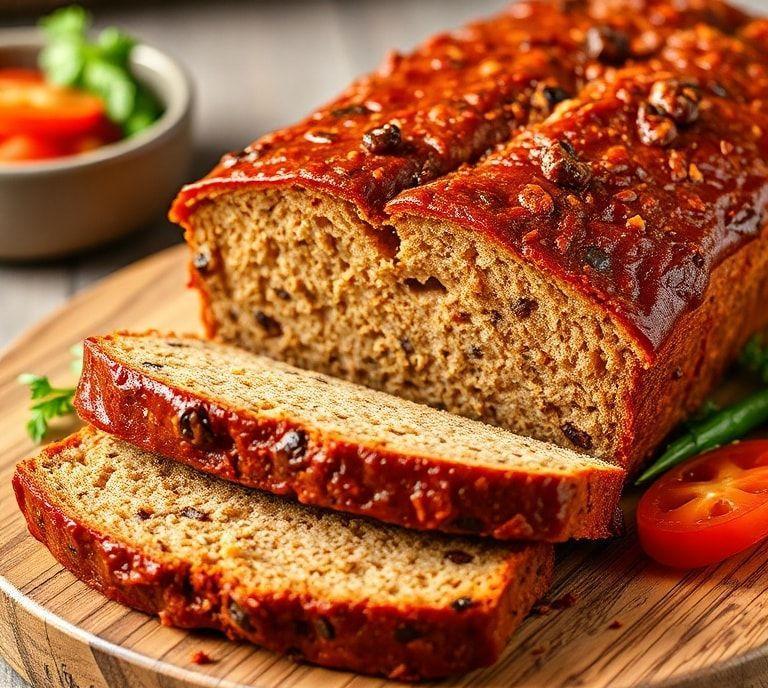
The beauty of this vegetarian loaf is in its simplicity. You don’t need a long list of hard-to-find ingredients, and you don’t need hours in the kitchen. In fact, this recipe is easy to put together, and you can even prep it ahead of time. It’s perfect for busy weekdays or laid-back weekends when you want something wholesome without a ton of fuss.
This loaf can be made in a variety of ways depending on your tastes and what you have on hand, but I’ve found this combination of ingredients and techniques gives the loaf the perfect texture and flavor balance. Let’s get into the good stuff: how to actually make it!
Ingredients Needed
The best part about this vegetarian loaf is that it’s versatile. You can adjust it to suit your personal preferences or what you have in your pantry. But here’s what I typically use when I make it:
- 1 cup lentils (green or brown): These serve as the base for the loaf. They provide a hearty, earthy flavor and a good dose of plant-based protein. I usually cook them ahead of time, but canned lentils work well too if you’re short on time.
- 1 cup breadcrumbs: These help bind everything together. I prefer whole wheat or gluten-free breadcrumbs for added texture and nutrition.
- 1 medium onion, finely chopped: Adds a sweet, savory depth to the loaf. I usually sauté it to mellow out the sharpness.
- 1 carrot, grated: Carrots bring a subtle sweetness and moisture. Plus, they make the loaf a bit more colorful and vibrant.
- 2 cloves garlic, minced: Garlic is the secret ingredient for flavor depth. It’s the kind of thing you don’t realize you need until it’s in there.
- 1/2 cup cooked quinoa or rice: This adds another layer of texture and helps make the loaf more substantial.
- 1/2 cup tomato paste: Adds richness and tang, helping bind the loaf together while giving it a savory note.
- 2 tbsp ground flax seeds (optional): Ground flax works as an egg substitute to help hold everything together, but it also adds omega-3s and fiber.
- 1 tsp dried thyme: This herb gives the loaf that savory, earthy flavor.
- 1/2 tsp paprika: I love how the paprika adds just a touch of warmth, not too spicy but with a little depth.
- Salt and pepper to taste: Always, always taste as you go. These are the seasonings that bring everything together.
- Olive oil: For sautéing the onion and garlic, and for drizzling on top of the loaf to give it a nice golden crust.
Cooking Instructions
Alright, now that you’ve got all your ingredients, let’s get this loaf cooking. The method is pretty straightforward, and you’ll be enjoying the fruits of your labor in no time.
- Preheat the oven to 375°F (190°C). Lightly grease a loaf pan or line it with parchment paper for easy removal.
- Cook the lentils: If you’re using dried lentils, cook them in about 2 cups of water until they’re tender (this usually takes 20-25 minutes). If you’re using canned lentils, just drain and rinse them well.
- Sauté the onions and garlic: Heat a tablespoon of olive oil in a pan over medium heat. Add the chopped onions and garlic, cooking until softened and fragrant (about 5-7 minutes).
- Combine the ingredients: In a large mixing bowl, add the cooked lentils, sautéed onions and garlic, grated carrot, breadcrumbs, cooked quinoa or rice, flax seeds (if using), tomato paste, thyme, paprika, salt, and pepper. Mix everything together until well-combined. You can use your hands here to really get in there.
- Shape the loaf: Transfer the mixture into the prepared loaf pan. Use the back of a spoon to press it into the pan and smooth the top. Drizzle a little olive oil over the top for a golden finish.
- Bake the loaf: Place the loaf in the preheated oven and bake for 40-45 minutes, or until the top is golden brown and firm to the touch.
- Let it rest: Remove the loaf from the oven and let it rest for 10-15 minutes before slicing. This helps it hold its shape and allows the flavors to meld.
Ingredient Science Spotlight
One of the things that makes this vegetarian loaf so great is the balance of ingredients that create the perfect texture. Let’s talk about the science behind a few key players:
- Lentils: Lentils are rich in soluble fiber, which is great for digestion and keeping you full. The protein in lentils is also relatively high, making them a fantastic meat substitute. When you cook lentils, they absorb water, softening and swelling. This gives the loaf structure and prevents it from being dry or crumbly.
- Breadcrumbs: Breadcrumbs act like a sponge, soaking up moisture from the lentils and veggies. This not only helps hold the loaf together, but it also contributes to the soft, tender texture of each slice.
- Flax Seeds: Ground flax seeds are an amazing binder. When mixed with water, they form a gel-like consistency, similar to eggs. They’re also packed with omega-3 fatty acids, which are beneficial for heart health and have anti-inflammatory properties.
- Tomato Paste: The tomato paste doesn’t just add flavor, it also adds acidity, which balances out the richness of the lentils and breadcrumbs. That tanginess is key to giving the loaf a well-rounded taste.
Expert Tips
- Don’t skip the resting time: After baking, let the loaf rest for at least 10 minutes. It may be tempting to dig in right away, but this resting time helps the loaf firm up so it doesn’t fall apart when you slice it.
- Add a glaze: For extra flavor, try adding a glaze on top during the last 10 minutes of baking. You can use barbecue sauce, balsamic vinegar, or a combination of ketchup and maple syrup. This adds a little sweetness and makes the loaf visually appealing.
- Make it ahead: You can assemble the loaf and refrigerate it overnight. Then, just pop it in the oven when you’re ready. This also gives the flavors more time to develop.
- Use a food processor: If you want an even smoother texture, pulse some of the cooked lentils in a food processor before mixing them into the loaf. This creates a more uniform consistency, making the loaf less “chunky”.
Recipe Variations
There’s so much room to play with this vegetarian loaf recipe. Here are a few fun variations to try:
- Mushroom & Walnut Loaf: Add sautéed mushrooms and chopped walnuts for an earthier flavor. The mushrooms will add moisture and a meaty texture, while the walnuts give it a pleasant crunch.
- Cheese Lover’s Loaf: If you’re not strictly vegan, you can stir in some grated cheese. Sharp cheddar or parmesan will give it a rich, savory boost.
- Spicy Southwest Loaf: Add black beans, corn, and a bit of chili powder for a Southwestern twist. Serve with salsa and guacamole on the side for a full-on fiesta!
- Mediterranean Loaf: Try adding kalamata olives, sundried tomatoes, and a sprinkle of oregano for a Mediterranean-inspired loaf.
Final Words
I’ll be honest: this vegetarian loaf became a personal favorite in my home because it’s so adaptable. It’s a recipe that grows with you. You can make it your own with just a few ingredient swaps, or you can keep it simple and classic. Either way, it’s going to be satisfying. Plus, it’s one of those dishes that tastes even better the next day. Reheat it for lunch, and it’s like a little gift to yourself.
FAQs
What Are The Best Ingredients To Use In A Vegetarian Loaf?
A vegetarian loaf can include a variety of plant-based ingredients to achieve both flavor and structure. Common ingredients include lentils, chickpeas, or beans for protein; breadcrumbs or oats to bind the loaf; grated vegetables like carrots, zucchini, or mushrooms for moisture and texture; and herbs and spices such as thyme, rosemary, garlic, and paprika for flavor. Adding nuts or seeds can enhance texture, while tomato paste or soy sauce can deepen the taste.
How Can I Ensure My Vegetarian Loaf Holds Together And Doesn’t Fall Apart?
To ensure a firm and cohesive loaf, it is essential to include binding ingredients and properly prepare moisture-rich components. Use breadcrumbs, oats, or cooked rice to absorb excess moisture from vegetables and legumes. Be careful not to overcook watery vegetables before mixing, and press the mixture firmly into the loaf pan. Additionally, incorporating a small amount of flax egg (ground flaxseed mixed with water) or a regular egg if not vegan can provide extra binding. Baking at a moderate temperature until fully set also helps maintain structure.
Can A Vegetarian Loaf Be Frozen, And How Should I Store It?
Yes, a vegetarian loaf freezes well. Allow the loaf to cool completely after baking, then wrap it tightly in plastic wrap or aluminum foil, and place it in an airtight container or freezer bag. It can be stored in the freezer for up to 3 months. To reheat, thaw in the refrigerator overnight and then warm in the oven at 175°C (350°F) until heated through, or slice and microwave individual portions. Proper storage ensures the loaf retains its texture and flavor.