Mac and cheese-two words that instantly evoke comfort, nostalgia, and, let’s be honest, a bit of indulgence. Who hasn’t had a bowl of gooey, cheesy goodness that just hit the spot after a long day? But here’s the thing: what if you could enjoy all of that without the meat, or at least make a version that doesn’t rely on dairy and animal products? If you’re someone who loves the creamy, cheesy richness of mac and cheese but prefers a vegetarian twist (or just wants to try something a little different), I’ve got the perfect recipe for you.
Over the years, I’ve experimented with countless mac and cheese recipes-many of them vegan, some vegetarian, and a few that bordered on ’fancy’ with unusual ingredients. But there’s something about the simplicity of a vegetarian mac and cheese, one that feels as hearty and satisfying as the classic but doesn’t require you to sacrifice flavor or texture. This version doesn’t cut corners. The creaminess, the depth of flavor, the slight crispiness of a baked topping-it’s all there. And, yes, it’s totally vegetarian.
Vegetarian Mac And Cheese Recipe
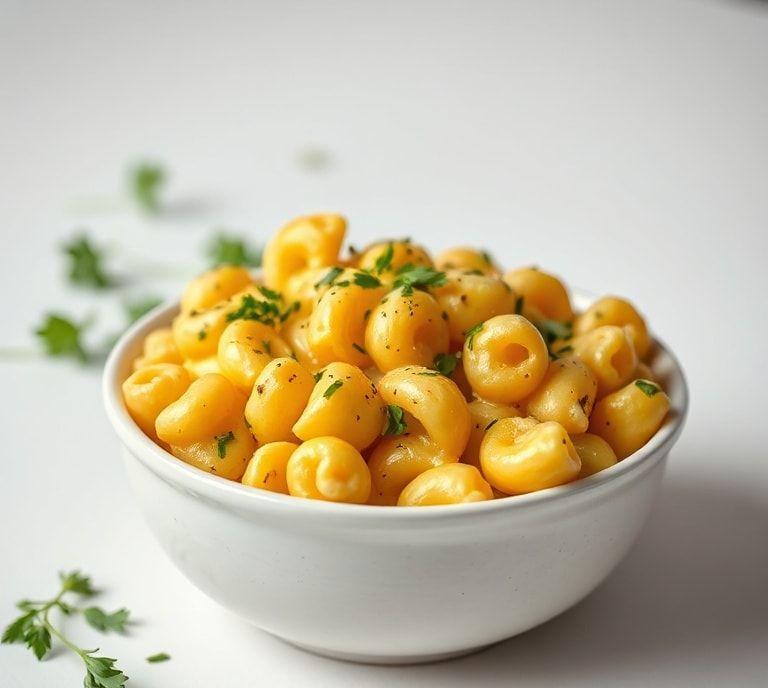
Now, let’s talk about how to make this vegetarian mac and cheese. I’ve kept the recipe straightforward, using ingredients you can find at your local grocery store, but don’t be fooled-this dish is far from basic. It’s rich, velvety, and, dare I say, the ultimate comfort food.
Ingredients Needed
Here’s what you’ll need to make this creamy vegetarian mac and cheese:
- Pasta: 12 ounces of elbow macaroni, or any short pasta of your choice. I love elbow macaroni for its ability to hold onto the cheese sauce, but feel free to swap with cavatappi, penne, or shells for a little variety.
- Cheese: 2 cups of shredded sharp cheddar cheese, preferably aged. The sharpness adds a lot of depth to the sauce and gives that authentic mac and cheese flavor.
- Cream Cheese: 4 ounces, softened. This ingredient helps create a thick, creamy base for the sauce. It’s the secret weapon for that smooth texture!
- Milk: 2 cups of whole milk. You could use a plant-based milk here (like oat or almond), but I find whole milk provides the best creamy consistency.
- Butter: 3 tablespoons. Real butter is key for richness, but if you’re dairy-free, you can sub with plant-based butter.
- Flour: 2 tablespoons. This is for making the roux (the thickening base for your cheese sauce).
- Mustard: 1 teaspoon of Dijon mustard. It sounds a bit unusual, but it adds a wonderful tang that cuts through the richness of the cheese.
- Garlic Powder: 1/2 teaspoon. Because garlic makes everything better, right?
- Onion Powder: 1/2 teaspoon. A little savory note that balances the flavors.
- Salt and Pepper: To taste. No recipe is complete without these!
Optional Add-ins
- Breadcrumbs: For a crunchy topping.
- Paprika: For a hint of smokiness.
Cooking Instructions
Alright, let’s dive in and make this happen!
- Boil the Pasta: Start by bringing a large pot of salted water to a boil. Add your macaroni and cook according to the package instructions until it’s al dente (just a little bite to it). Drain and set aside, but don’t rinse! You want to keep the starch to help the sauce stick.
- Make the Roux: In a large saucepan, melt the butter over medium heat. Once it’s melted, whisk in the flour to form a thick paste. This is your roux. Cook for about 1 minute, stirring constantly, to get rid of the raw flour taste.
- Create the Cheese Sauce: Slowly whisk in the milk, a little at a time, ensuring there are no lumps. Keep stirring as the mixture begins to thicken. This should take about 3-5 minutes. Once it’s thickened to a creamy consistency, add in the cream cheese and mustard, stirring until smooth.
- Add the Cheese: Lower the heat to low and stir in the shredded cheddar cheese. Keep stirring until the cheese is melted and the sauce is silky smooth.
- Combine: Add the cooked pasta to the cheese sauce, stirring gently to coat every little piece of pasta with that luscious, cheesy goodness. Taste and season with salt and pepper to your liking.
- Optional: Bake It: If you like a baked mac and cheese with a crispy top, preheat your oven to 350°F. Pour the mac and cheese into a greased baking dish. Sprinkle breadcrumbs on top and bake for 15-20 minutes, or until golden and bubbly.
Ingredient Science Spotlight
Let’s talk about why these ingredients work so well together. First up, the pasta. When pasta cooks, it releases starch into the water, and this starch helps the sauce cling to each noodle. So, when you don’t rinse your pasta after draining, you’re keeping that starch on the surface, making for a thicker, more cohesive sauce.
The cream cheese is another key player. You’d think it’s just for adding creaminess (and it does that perfectly), but it also thickens the sauce more than just using milk and butter alone. The mild tang it brings balances the richness of the cheddar and makes each bite more dynamic.
Then there’s the cheddar cheese. The higher the fat content in cheese, the creamier the sauce, which is why I opt for full-fat cheese (unless you’re going for a lighter version). Sharp cheddar provides that depth of flavor that turns this dish from "just pasta" into "wow, this is mac and cheese!"
Expert Tips
- Don’t Overcook the Pasta: Al dente pasta holds up better in the sauce, ensuring it doesn’t turn mushy as it bakes (if you go the baking route).
- Season Gradually: Taste the sauce as you go. Sometimes, I’ll add a pinch of cayenne or a dash of white pepper for a little extra kick.
- Use a Blend of Cheeses: If you’re feeling adventurous, swap some of the cheddar for Gruyère, Monterey Jack, or even a little Parmesan for more depth and a more complex flavor profile.
- Make It Ahead: This dish is actually perfect for meal prep. You can make it a day or two in advance, then bake it when you’re ready to serve. Just be sure to let it cool slightly before storing it, and reheat it gently to avoid curdling the sauce.
Recipe Variations
- Vegan Mac and Cheese: Swap the cheddar for vegan cheese, the butter for a plant-based version, and the milk for almond or oat milk. You can also add nutritional yeast to give it that cheesy flavor.
- Veggie-Loaded Mac: Sneak some vegetables in there. I love adding spinach, peas, or even roasted cauliflower. They don’t overpower the dish but add a bit of texture and nutritional punch.
- Spicy Mac: Add diced jalapeños to the cheese sauce or sprinkle some red pepper flakes into the mix for a spicy twist.
- Truffle Mac: Feeling fancy? Drizzle a little truffle oil over the top before serving, or mix it into the cheese sauce for an extra layer of flavor.
Final Words
Sometimes, food is more than just nourishment-it’s a reminder of home, a little moment of indulgence, or a way to connect with people. This vegetarian mac and cheese is the kind of dish that feels like a warm hug from the inside out. It’s creamy, cheesy, and downright comforting. Plus, it’s versatile, adaptable to your tastes, and surprisingly simple to make.
It doesn’t matter if you’re a vegetarian or just looking for a fun twist on a classic. This dish will quickly become a favorite. The ingredients are humble, but when they come together, they create something truly special. And trust me, whether you’re baking it with a crunchy top or serving it straight from the stovetop, this mac and cheese is guaranteed to please.
FAQs
What Is The Best Cheese Substitute For A Vegetarian Mac And Cheese Recipe?
For a vegetarian mac and cheese recipe, the best cheese substitutes are plant-based cheeses made from nuts, soy, or coconut. Nutritional yeast can also be used to add a cheesy flavor without dairy. Vegan cheeses, such as cashew-based or almond-based varieties, melt well and provide a creamy texture. Some people also use a combination of vegan cream cheese and a plant-based cheddar to achieve a traditional mac and cheese experience.
Can I Make A Gluten-free Vegetarian Mac And Cheese?
Yes, you can easily make a gluten-free vegetarian mac and cheese by substituting regular pasta with gluten-free pasta. There are many gluten-free pasta options made from rice, quinoa, corn, or chickpeas. Be sure to check the labels for any hidden gluten ingredients in your cheese or sauce, especially if using a store-bought vegan cheese or sauce.
How Can I Make My Vegetarian Mac And Cheese Creamier?
To make your vegetarian mac and cheese creamier, consider using ingredients like cashew cream, coconut milk, or plant-based heavy cream. Adding a bit of vegan butter or olive oil will also help achieve a rich, smooth consistency. If you’re using nutritional yeast, combining it with a small amount of non-dairy milk (like almond or oat milk) can enhance the creamy texture. Blending the sauce until smooth can also improve its creaminess.