Marzipan. For many, the word itself evokes a world of sweetness, elegance, and a touch of nostalgia. If you’ve ever stepped into a European bakery, you’ve probably encountered it-those beautifully sculpted little fruits, flowers, or whimsical animals, their glossy, almond-based surfaces beckoning from behind the glass. But did you know you can make marzipan at home? And what’s more, if you’ve ever thought of trying a vegetarian version, you’re in luck.
The story of marzipan stretches back centuries, weaving through various cultures, and today, it holds a special place in desserts, candies, and even festive celebrations around the world. Growing up, I always knew marzipan as this perfect blend of sweet and nutty, a treat reserved for special occasions. But I’ll admit, I had no idea it was so simple to make.
So, whether you’re a long-time fan of this decadent treat or a curious newcomer, you’re about to discover how easy-and enjoyable-it is to whip up a batch of marzipan that’s entirely vegetarian and, in my opinion, even better than what you’d find in stores.
Vegetarian Marzipan Recipe
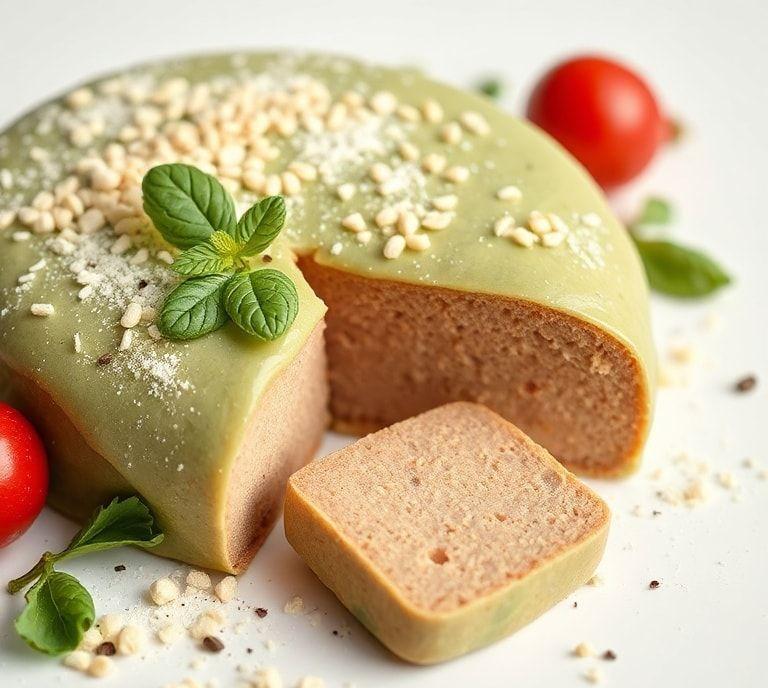
Making marzipan is a satisfying process, and it requires just a few basic ingredients. With its roots deep in almond culture, it’s no surprise that marzipan is mostly made from almonds and sugar. The real magic comes when you blend them together into a smooth, malleable paste that can be shaped, molded, or just eaten straight from the bowl. I’ve got a vegetarian version of marzipan for you today, which, if we’re honest, is pretty much the ideal way to enjoy it-without any non-vegetarian additives that sometimes sneak in.
Let’s get into it.
Ingredients Needed
- Almonds (Blanched): The star of the show. You’ll need around 1 ½ cups of blanched almonds. I like to use blanched almonds because they’re smoother and give the marzipan a lovely silky texture.
- Powdered Sugar: This helps bind everything together and gives it that lovely sweetness. About 1 ¾ cups should do the trick.
- Agave Syrup or Honey: A tablespoon of agave or honey will add some moisture and bring out the almond flavor. If you want to keep it strictly vegan, agave is your best option.
- Rose Water or Almond Extract: This is where things get interesting. A teaspoon of either rose water or almond extract really enhances the marzipan’s flavor. I’ve used both depending on the mood. Rose water lends a delicate, floral note, while almond extract deepens the nutty flavor. You can even experiment with a dash of orange blossom water for a more exotic twist.
- A pinch of Salt: Just a touch. Salt does wonders to balance out the sweetness and bring out the almond’s natural flavors.
Cooking Instructions
Making marzipan is incredibly simple. You don’t need fancy equipment-just a good food processor or blender and a clean surface for shaping the dough.
- Blanch the Almonds: If you didn’t buy blanched almonds, you’ll want to blanch them yourself. Boil water, pour it over the almonds, and let them sit for about a minute. Then, drain and rub them between your hands to remove the skins. It sounds like a hassle, but trust me, the smooth finish it gives is worth it.
- Grind the Almonds: Once your almonds are blanched, add them to the food processor and pulse until finely ground. You’re aiming for almond meal or a coarse almond flour texture. Don’t overprocess it into a paste yet-leave some texture so your marzipan doesn’t end up too runny.
- Add Sugar and Flavorings: Add the powdered sugar to your almond meal, followed by a pinch of salt, your choice of flavoring (rose water, almond extract, or both), and the agave or honey. Pulse again until everything is combined into a crumbly dough.
- Form the Dough: Once the mixture comes together, add a little bit of water if needed-just a teaspoon at a time. You want the dough to come together but not be too sticky. When it’s pliable, transfer it to a clean surface and knead it for a few minutes. This is when you’ll really see the magic happen, as the marzipan becomes smooth and soft.
- Shape or Store: You can either mold the marzipan into small balls or shapes or wrap it up in plastic wrap for later. If you want to create the traditional marzipan fruits, this is where you can get creative, rolling it into little fruits and vegetables (I highly recommend using food coloring for extra fun). Otherwise, you can simply keep it as a log or disk for easy use in baking.
Ingredient Science Spotlight
Marzipan’s beauty lies not just in its flavor, but also in how simple ingredients come together to create something magical. Let’s take a moment to dive into the science behind a couple of the key ingredients.
Almonds: Almonds are rich in healthy fats and proteins, which is why marzipan is so satisfying. They also contain vitamin E, an antioxidant that helps protect your body from damage at a cellular level. The almonds’ oil content gives the marzipan its smooth, pliable texture.
Sugar: Now, we’re all familiar with sugar’s role in creating sweetness, but its role in marzipan is also a structural one. When sugar is mixed with ground almonds, it helps to bind the nuts together and form the dough. The powdered form is key, as it dissolves easily and integrates well into the almond mixture.
Rose Water and Almond Extract: These two ingredients provide the aromatics. Rose water, a byproduct of rose oil extraction, has been used in culinary traditions for centuries. It brings an ethereal floral note that pairs wonderfully with the nutty almonds. Almond extract, meanwhile, intensifies the almond flavor, enhancing the marzipan’s natural essence.
Expert Tips
- Choose Quality Almonds: Not all almonds are created equal. Opt for blanched almonds that are fresh and not overly processed. The flavor of your marzipan will only be as good as the almonds you start with.
- Consistency is Key: If your dough feels too dry or crumbly, add a teaspoon of water at a time until it holds together. If it’s too wet, add a little more powdered sugar. You’re aiming for a play-dough-like consistency.
- Let It Rest: After making your marzipan, let it rest for about an hour. This allows the flavors to meld and the texture to firm up. If you’re planning on storing it, wrap it tightly in plastic wrap to avoid it drying out.
- Use Gel Food Coloring: If you want to get fancy with marzipan shapes and colors, opt for gel food coloring instead of liquid. Gel food coloring won’t make the marzipan too runny and will give it a vibrant hue.
Recipe Variations
Marzipan is incredibly versatile, and there’s no shortage of ways to customize it. Here are a few variations to try out:
- Chocolate Marzipan: Mix in a few tablespoons of cocoa powder to create a rich, chocolatey version. This works particularly well if you plan on coating your marzipan in chocolate.
- Spiced Marzipan: Add a touch of ground cinnamon, nutmeg, or even cardamom to the dough for a warming twist. Perfect for autumn and winter months.
- Fruit-Flavored Marzipan: Experiment with adding citrus zest, like lemon or orange, to the mix for a refreshing, zesty marzipan. It pairs wonderfully with the almond base.
Final Words
Making marzipan at home is an incredibly rewarding experience. You get to create something that’s not only delicious but also highly customizable. The process itself is therapeutic, and there’s something special about working with your hands to shape and form something so simple into something so beautiful.
Whether you use it in cakes, pastries, or just as a treat on its own, homemade marzipan is sure to impress.
FAQs
Is Marzipan Naturally Vegetarian?
Traditional marzipan is typically made from ground almonds and sugar, which are both vegetarian ingredients. However, some commercial marzipan products may include gelatin, egg whites, or other animal-derived additives. When making or buying marzipan for a vegetarian diet, always check the ingredients list or prepare it at home using plant-based ingredients.
What Are Some Vegetarian-friendly Substitutes For Egg Whites In Marzipan?
Egg whites are sometimes used in marzipan to improve texture and help with binding. For a vegetarian version, you can replace egg whites with alternatives such as aquafaba (the liquid from canned chickpeas), corn syrup, or a small amount of plant-based milk combined with powdered sugar. These substitutes maintain the smooth consistency without using animal products.
Can I Flavor Vegetarian Marzipan Naturally Without Using Alcohol-based Extracts?
Yes, you can naturally flavor vegetarian marzipan using ingredients like citrus zest (lemon, orange, or lime), vanilla beans, or ground spices such as cardamom or cinnamon. These options avoid alcohol and keep the recipe fully vegetarian while adding depth and aroma to the marzipan.