When it comes to cooking, I’ve always believed the best meals are those that come together without too much stress but are still packed with flavor and nutrition. I remember the first time I took the plunge into vegetarian meal prepping-it was a bit of a leap, but also a game-changer. The sense of having everything planned out for the week ahead, without having to spend hours in the kitchen every night, made me feel like I’d discovered a hidden superpower.
If you’ve ever wondered how to make your weekday meals feel both satisfying and healthy while also saving time, then vegetarian meal prepping could be exactly what you need. Not only does it reduce the pressure of deciding what to eat on a busy evening, but it also helps you stick to a diet that’s full of fresh, wholesome foods. Let’s dive into a recipe I’ve perfected over the years-one that’s become my go-to for a balanced, veggie-packed week of eating. It’s hearty, nourishing, and easily customizable to suit whatever mood you’re in.
Vegetarian Meal Prep Recipe: The Ultimate Power Bowl
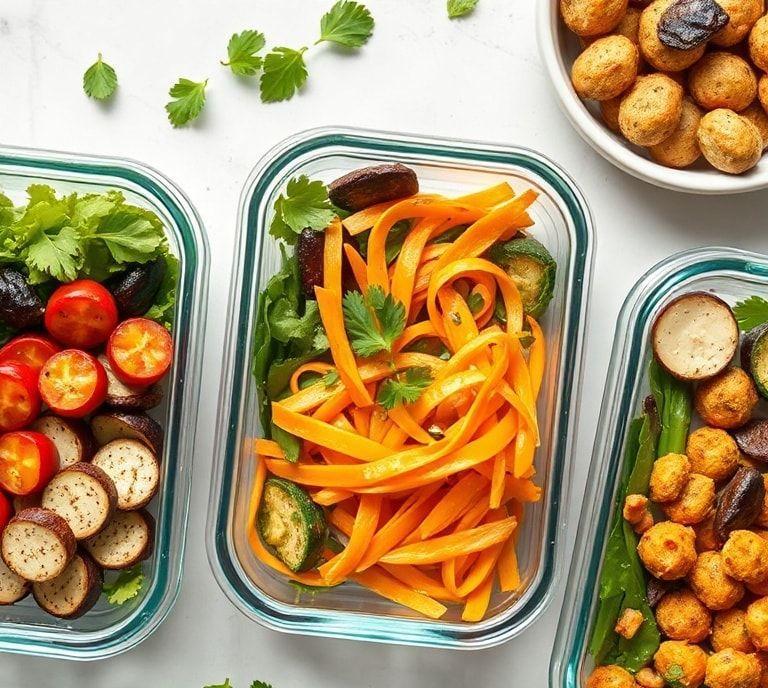
This recipe is essentially a Mediterranean-inspired power bowl, combining roasted vegetables, grains, protein, and a tangy lemon-tahini dressing that ties everything together beautifully. It’s simple enough to prepare in advance, but each bite packs a punch in terms of flavor, texture, and nutrition. It’s perfect for anyone looking to stay full and energized throughout the day, whether you’re packing it for lunch or enjoying it as a light dinner.
Ingredients Needed
- 1 cup quinoa: Quinoa is a great choice for meal prep because it holds up well in the fridge and reheats beautifully. It’s also a complete protein, which is rare in plant-based foods.
- 2 cups mixed vegetables: Think bell peppers, zucchini, red onions, and cherry tomatoes. These veggies roast well and are a perfect base for any bowl.
- 1 can chickpeas (or 1 ½ cups cooked): Chickpeas are rich in protein and fiber, which makes them filling and nutritious.
- 2 tablespoons olive oil: For roasting and drizzling. It brings richness to the vegetables and also adds heart-healthy fats.
- 1 lemon: The fresh, zesty juice cuts through the richness of the tahini and makes the whole dish feel lighter.
- 3 tablespoons tahini: This sesame paste adds a creamy, nutty flavor that complements the roasted vegetables.
- 2 tablespoons apple cider vinegar: It balances the dressing and enhances the tanginess.
- Salt and pepper: To taste, these are essential to make all the flavors pop.
- Fresh parsley or cilantro: For garnish, these herbs add a burst of freshness and color.
Cooking Instructions
- Preheat your oven to 400°F (200°C). You’ll want it nice and hot for roasting the veggies, ensuring they caramelize and develop that perfect balance of sweetness and slight char.
- Cook the quinoa: In a medium pot, bring 2 cups of water to a boil. Add the quinoa, reduce the heat to a simmer, and cover. Let it cook for about 15 minutes, or until all the water is absorbed. Remove from heat and fluff with a fork. Quinoa is pretty forgiving, so don’t stress too much about it.
- Roast the vegetables: While the quinoa is cooking, prep your veggies. Cut the bell peppers, zucchini, and red onions into bite-sized pieces. Toss them in olive oil, salt, and pepper. Spread them out evenly on a baking sheet. Roast them in the oven for about 20-25 minutes, or until they’re tender and slightly browned.
- Prepare the chickpeas: Drain and rinse the chickpeas, then toss them in olive oil, salt, pepper, and a sprinkle of paprika or cumin if you like a little extra flavor. Roast them on a separate sheet for about 15 minutes, until they’re crispy.
- Make the tahini dressing: In a small bowl, whisk together the tahini, lemon juice, apple cider vinegar, salt, and pepper. Add a bit of water if it’s too thick-aim for a smooth, pourable consistency.
- Assemble the bowls: Once everything is cooked, it’s time to put it all together. Start with a base of quinoa, then layer on the roasted veggies, chickpeas, and a generous drizzle of tahini dressing. Garnish with fresh herbs.
Ingredient Science Spotlight: The Power Of Quinoa
What makes quinoa so special? Well, for starters, it’s a complete protein, meaning it contains all nine essential amino acids that our bodies can’t produce on their own. This is a huge win for anyone on a vegetarian or vegan diet. It’s also packed with fiber, which not only helps keep your digestive system running smoothly but also promotes satiety-making you feel full longer. Additionally, quinoa is rich in antioxidants, which play a role in protecting cells from oxidative damage. It’s no wonder this tiny grain has earned its spot as a superfood in the nutrition world!
Expert Tips
- Roast your veggies ahead of time: Roasted vegetables taste even better the next day, so feel free to prep a big batch and use them throughout the week. You can even mix up the veggies you use based on what’s in season or what you’re craving.
- Flavor balance: Tahini can be quite thick, so don’t be afraid to adjust the amount of lemon juice or water you add to your dressing. The balance between the rich tahini and the tart lemon is key.
- Storage: This recipe keeps well for 4-5 days in the fridge. To prevent the quinoa from becoming dry, store it in an airtight container and give it a quick splash of water when reheating.
- Texture: For an added crunch, sprinkle on some roasted seeds (like pumpkin or sunflower) or even some toasted nuts like almonds. They add a nice contrast to the creamy tahini.
Recipe Variations
- Grains: You can easily swap quinoa for other grains like brown rice, farro, or even couscous. Each grain has its own texture and flavor, so choose one that suits your preferences.
- Protein options: While chickpeas are a fantastic protein source, you could try roasted tofu, tempeh, or even a boiled egg for some added variety.
- Dressing tweaks: Not a fan of tahini? Try a lemon-yogurt dressing or even a simple olive oil and balsamic vinaigrette. The idea is to have something to tie all the flavors together.
- Add-ins: If you’re in the mood for extra veggies, throw in some leafy greens like spinach or arugula. You could also add avocado for some healthy fats.
Final Words
One of the best things about this vegetarian power bowl is its versatility. It’s filling enough to be a main dish but can also serve as a side to any protein you’re serving. I’ve made this recipe countless times, and every time I’m reminded that simple ingredients, when combined thoughtfully, can create something truly satisfying.
This meal also works wonders for those days when I’m feeling rushed but want to nourish my body with something wholesome. It’s a great choice for meal prepping because it holds up well throughout the week without losing flavor or texture.
FAQs
What Are The Essential Ingredients For A Vegetarian Meal Prep Recipe?
Essential ingredients for a vegetarian meal prep recipe include a variety of fresh vegetables, grains (like quinoa, rice, or couscous), legumes (such as lentils, beans, or chickpeas), tofu or tempeh for protein, and healthy fats like olive oil, avocado, or nuts. It’s important to have a balance of protein, fiber, healthy fats, and carbohydrates to create a well-rounded meal plan.
How Can I Keep Vegetarian Meal Prep Recipes Fresh For The Entire Week?
To keep vegetarian meal prep recipes fresh throughout the week, store meals in airtight containers and refrigerate them immediately after cooking. For dishes that may wilt, such as salads, store dressings separately. Some dishes, like grain bowls, curries, and soups, tend to last longer in the fridge. You can also freeze individual portions of meals to extend their shelf life. Label containers with dates to ensure freshness and reduce waste.
Can Vegetarian Meal Prep Recipes Be Made Ahead Of Time For Busy Weeks?
Yes, vegetarian meal prep recipes are ideal for making ahead of time. Dishes like grain bowls, roasted vegetables, salads, stir-fries, and casseroles can be prepared in bulk and stored for several days. Opt for recipes that hold up well when stored, such as those that don’t rely heavily on fresh leafy greens, which may wilt after a few days. Plan to portion out meals in advance for easy grab-and-go options.