I’ve always been fascinated by how food brings people together. Whether it’s a quiet family dinner or a lively gathering of friends, food sets the stage for conversations, shared laughter, and memories made around the table. But here’s the thing-food doesn’t have to be complicated to be good. Sometimes, the most unassuming dishes can surprise you with their depth of flavor. That’s exactly what I’ve found with vegetarian meat eaters’ recipes, a blend of flavors that somehow satisfies both plant-based and traditional palates.
Now, if you’re thinking that a vegetarian recipe can’t possibly win over meat eaters, let me stop you right there. I’ve had the privilege of cooking for friends who have made it clear they’re all about their meat, but when I serve up something plant-based that’s hearty and satisfying, the reaction is always the same: "This is actually amazing." The best part? They don’t even miss the meat.
So, if you’re in search of a recipe that walks the line between the two worlds-vegetarian and carnivore-you’ve come to the right place. Let’s dive into a dish that celebrates all the textures and flavors without feeling like you’re making any sacrifices.
Vegetarian Meat Eaters Recipe
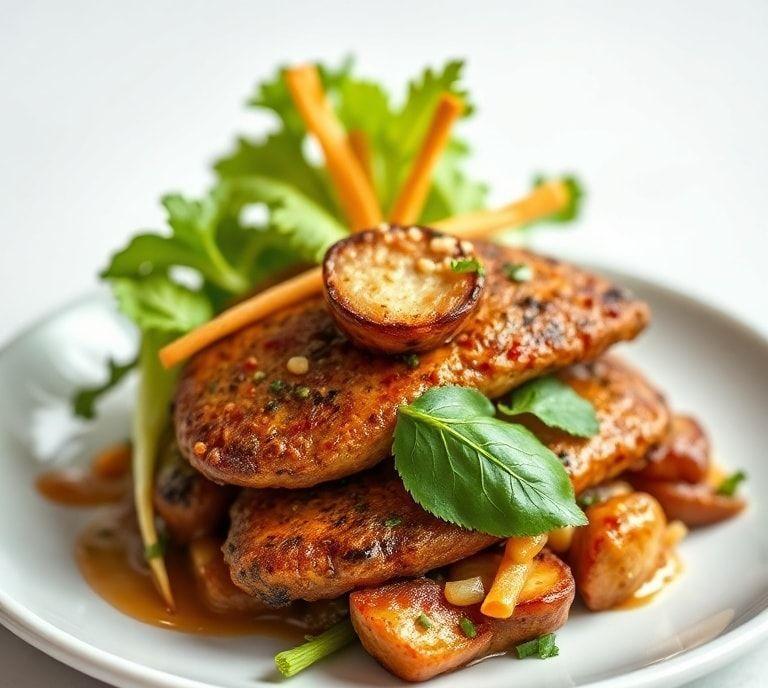
This vegetarian recipe I’m sharing today is a twist on a classic comfort food. It’s a vegetarian "meatball" dish that’s juicy, flavorful, and filled with enough umami to make anyone question why they’d ever need meatballs made from animal products again. The key to success here is the combination of hearty vegetables, savory spices, and a secret ingredient that adds an unexpected richness.
If you’ve ever made a vegetarian version of a meat-based dish, you know the trick is in achieving that perfect balance of texture and flavor. This recipe does that beautifully. It’s perfect for a weeknight dinner, yet impressive enough to serve guests-meat eaters included-who are looking for something just as satisfying as the real thing.
Ingredients Needed
Before you dive into cooking, let’s talk about the ingredients that come together to make this dish something special. Here’s what you’ll need:
- 1 cup cooked lentils (preferably green or brown, for texture)
- 1 cup breadcrumbs (whole wheat or gluten-free, depending on preference)
- ½ cup finely grated carrot (adds sweetness and moisture)
- ½ cup finely chopped mushrooms (adds umami)
- 1 small onion, finely chopped (because who doesn’t love onions?)
- 2 cloves garlic, minced (the foundation of flavor)
- 1 tablespoon ground flaxseed (for binding and extra nutrition)
- 2 tablespoons nutritional yeast (this is the game-changer, bringing a cheesy, umami flavor)
- 2 teaspoons dried oregano (adds a herby note)
- 1 teaspoon smoked paprika (this gives a subtle smokiness)
- ½ teaspoon black pepper (freshly cracked)
- 1 tablespoon soy sauce or tamari (for saltiness and depth)
- Olive oil (for cooking)
And, of course, for the sauce:
- 1 cup tomato sauce
- 1 tablespoon balsamic vinegar (for richness)
- ½ teaspoon sugar (to balance acidity)
Cooking Instructions
Now that you have your ingredients in place, let’s get to the cooking. Follow these steps, and you’ll be well on your way to a dinner that might just win over even the most devoted meat lover in your life.
- Prepare the lentils: Start by cooking the lentils if you haven’t already. I love using pre-cooked ones because it saves time, but if you’re cooking them from scratch, just simmer them in water until tender-about 20 minutes-and drain any excess liquid.
- Sauté the veggies: Heat a tablespoon of olive oil in a skillet over medium heat. Toss in the chopped onion, garlic, and mushrooms. Sauté for about 5-7 minutes, until the veggies soften and the mushrooms release their moisture. Then, add in the grated carrots and cook for another 3 minutes.
- Mix the base: In a large mixing bowl, combine the cooked lentils, sautéed veggies, breadcrumbs, ground flaxseed, nutritional yeast, oregano, smoked paprika, pepper, and soy sauce. Mix everything thoroughly. You should get a dough-like consistency. If it feels too wet, add more breadcrumbs; if it’s too dry, add a little water.
- Form the meatballs: Using your hands, shape the mixture into small, round balls, about the size of a golf ball. This recipe should yield around 12-15 meatballs, depending on the size.
- Cook the meatballs: Heat a couple of tablespoons of olive oil in a skillet over medium heat. Once hot, gently place the meatballs in the pan, cooking in batches if needed. Brown them on all sides-this should take about 10-12 minutes in total. Once browned, remove them from the skillet and set aside.
- Make the sauce: In the same skillet, add the tomato sauce, balsamic vinegar, and sugar. Stir to combine, scraping up any bits left from the meatballs. Simmer for a few minutes to allow the flavors to meld.
- Simmer the meatballs in sauce: Return the meatballs to the pan, gently placing them in the sauce. Let them simmer for about 10 minutes, allowing the meatballs to absorb the sauce.
- Serve: Plate the meatballs, spoon some sauce over the top, and garnish with fresh parsley if desired. You can serve these on their own or with pasta, rice, or even a side of crispy roasted veggies.
Ingredient Science Spotlight
Every ingredient in this dish serves a specific purpose, not only for flavor but also for texture and nutritional value. Take lentils, for example. Lentils are an excellent source of plant-based protein, fiber, and iron. They’re perfect for replacing meat in a dish because they provide a similar hearty, dense texture, making the meatballs feel satisfying. The addition of flaxseed acts as a binding agent-this is where the magic happens. When mixed with water, ground flaxseed forms a gel-like consistency, holding everything together without the need for egg.
The mushrooms play a crucial role, too. They’re rich in glutamates, compounds responsible for that savory, umami flavor we often associate with meat. Nutritional yeast, often used in vegan cooking for its cheesy, nutty flavor, enhances this umami profile while adding a boost of B vitamins.
Expert Tips
- Texture is key: If you find your mixture too wet, you can always add extra breadcrumbs, but be careful not to overdo it. You want the meatballs to have enough moisture to stay tender, not dry out.
- Experiment with spices: The beauty of this recipe is that it’s quite versatile. If you love a little heat, throw in some red pepper flakes. For an Italian twist, try adding fresh basil or a bit of thyme.
- Baking option: If you prefer not to fry the meatballs, you can bake them at 375°F for about 25 minutes. Flip them halfway through to ensure even browning.
Recipe Variations
If you’re in the mood for a different spin on this dish, there are endless variations you can try. Swap out the lentils for black beans for a deeper, earthier flavor. Or, if you’re craving a bit of crunch, consider using chickpea flour instead of breadcrumbs for a gluten-free option. You can even add roasted bell peppers for an extra burst of flavor, or toss in some spinach for a nutrient boost.
Final Words
At the end of the day, the heart of a good recipe isn’t just about the ingredients you use, but how you bring them together. I love this vegetarian meatball recipe because it’s simple, but it’s also full of surprises. It bridges two worlds: one that celebrates plant-based eating and another that’s a little more carnivorous. Yet somehow, when you combine all the right ingredients, everyone leaves the table feeling satisfied. You don’t need to compromise on flavor, texture, or that comforting sense of fullness.
FAQs
What Is A Vegetarian Meat Eater Recipe?
A vegetarian meat eater recipe is a dish specifically designed for individuals who primarily enjoy the taste and texture of meat but prefer or need to follow a vegetarian diet. These recipes use plant-based ingredients, such as tofu, tempeh, seitan, mushrooms, and legumes, to mimic the flavor, appearance, and mouthfeel of traditional meat dishes.
Can A Vegetarian Meat Eater Recipe Provide Enough Protein?
Yes, vegetarian meat eater recipes can be high in protein by incorporating plant-based protein sources such as lentils, chickpeas, quinoa, tofu, tempeh, and seitan. Combining these ingredients with nuts, seeds, or whole grains ensures a balanced intake of essential amino acids comparable to that found in animal-based proteins.
Are Vegetarian Meat Eater Recipes Suitable For Someone Transitioning From A Meat-based Diet?
Absolutely. These recipes are ideal for individuals transitioning from a meat-based diet because they maintain familiar flavors, textures, and cooking methods. They can help reduce the psychological and culinary gap when switching to a vegetarian diet while ensuring adequate nutrition and satisfaction.