Cooking is one of those simple joys in life that can make you feel connected to everything-your ingredients, the kitchen, and even the people you’re feeding. It’s a meditative process for me, and I find myself coming back to it time and time again. One of my all-time favorite recipes has to be vegetarian meat sauce. It’s comforting, flavorful, and surprisingly versatile. I remember the first time I tried making it; I was skeptical about how a plant-based version could hold up to a traditional meat sauce. But the result was so satisfying-thick, hearty, and just as rich as the real deal. Over the years, I’ve refined the recipe, tried different ingredients, and added my own little twists, and now I want to share it with you. Whether you’re fully vegetarian, looking to eat less meat, or just in the mood for a delicious meal, this recipe might become your new go-to.
Vegetarian Meat Sauce Recipe
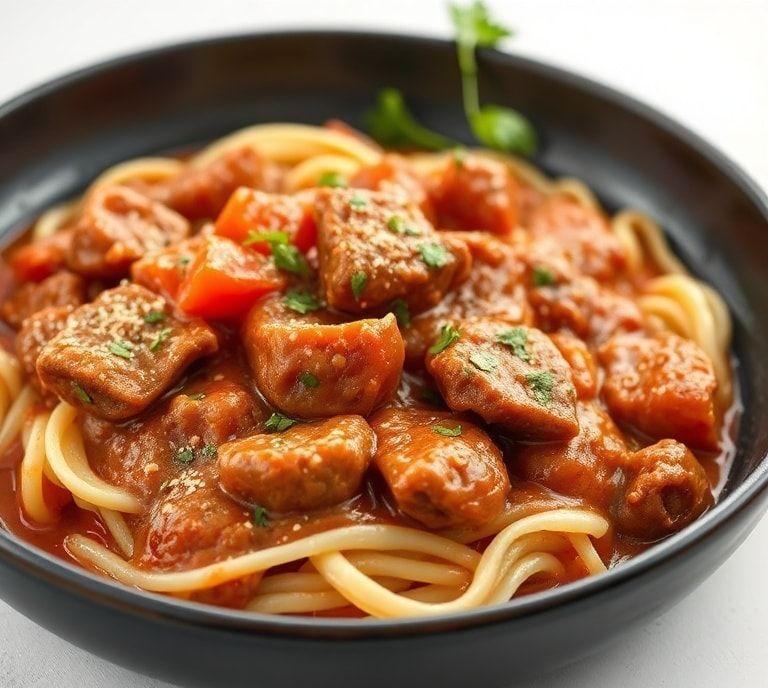
Now, let’s talk about the star of the show: the vegetarian meat sauce. It’s hearty, packed with savory umami flavors, and perfect for any pasta, pizza, or even as a base for lasagna. Instead of using traditional ground meat, we’re going to rely on ingredients like lentils, mushrooms, and textured vegetable protein (TVP) to create the meaty texture and depth of flavor you’d expect from a traditional sauce.
But I promise-no one will miss the meat.
Ingredients Needed
Here’s what you’ll need to make the sauce. Some of these are pantry staples, while others you might need to pick up, but trust me, they’re worth it:
- Lentils (green or brown) – These are your base, offering a solid, hearty texture that mimics ground beef. Plus, they pack a good punch of protein and fiber.
- Mushrooms (cremini or button) – The earthy flavor and meaty texture of mushrooms are perfect for mimicking the depth of flavor in a traditional meat sauce.
- Textured Vegetable Protein (TVP) – This stuff is a game-changer. When rehydrated, it has a texture that’s very similar to ground meat. It’s made from soybeans and is often used as a meat substitute in vegetarian and vegan recipes.
- Onions – Always a must in any sauce, onions bring sweetness and depth when sautéed.
- Garlic – For that unmistakable savory aroma that fills the house as the sauce simmers.
- Canned tomatoes (whole or crushed) – A good, juicy base for your sauce. I like to use crushed tomatoes because they break down more easily, but whole tomatoes can be smashed as they cook.
- Olive oil – For sautéing, it adds richness.
- Tomato paste – This adds an extra layer of concentrated tomato flavor and helps thicken the sauce.
- Herbs and spices – Think oregano, basil, thyme, a bit of rosemary, and, if you’re feeling bold, a pinch of red pepper flakes for a kick.
- Vegetable broth – To help create the perfect sauce consistency and add more flavor.
- Salt and pepper – Simple, but essential for balance.
Cooking Instructions
- Prepare your ingredients: If you’re using dried lentils, rinse them under cold water. If you’ve got canned lentils, just drain and rinse. Finely chop your onions and garlic, and slice your mushrooms. In a bowl, rehydrate the TVP with hot water or vegetable broth, and let it sit for about 5 minutes.
- Start the base: Heat about 2 tablespoons of olive oil in a large skillet or saucepan over medium heat. Add the onions and sauté them until they turn translucent-about 5 minutes. Add the garlic, and cook for another minute or so, just until it becomes fragrant.
- Add the mushrooms and lentils: Stir in the mushrooms and let them cook down, which will take about 7 minutes. They’ll release moisture, so keep stirring. Then, add the lentils and cook them for a couple of minutes to absorb some of that savory flavor.
- Incorporate the TVP and tomato paste: Toss in your rehydrated TVP and tomato paste. Stir everything to combine, letting the paste coat everything and meld into the vegetables. It’s at this point you’ll start to notice that the mix begins to resemble a meaty texture.
- Simmer the sauce: Pour in the canned tomatoes (crushed or whole-you can crush them with a spoon while they cook), along with vegetable broth. Stir well and let the sauce come to a gentle simmer. Lower the heat, and allow it to cook uncovered for 30-45 minutes. This gives the lentils time to soften, the flavors to deepen, and the sauce to thicken. If it gets too thick, just add a splash more broth or water.
- Season to taste: After simmering, taste and adjust seasoning with salt, pepper, and herbs. Add red pepper flakes if you want a bit of heat, and maybe a dash of balsamic vinegar for brightness.
- Serve: Ladle your vegetarian meat sauce over pasta (I love it on spaghetti or penne), or use it in your favorite recipe like lasagna. It’s also amazing as a topping for a veggie pizza.
Ingredient Science Spotlight
Let’s take a moment to appreciate some of the science behind this dish. You might be wondering: why lentils and TVP? The key to a great vegetarian meat sauce is achieving the right texture and umami flavor.
Lentils, for example, are not only an excellent source of plant-based protein, but they also have a unique texture when cooked. They absorb flavors easily, and their firmness gives the sauce that satisfying bite. TVP, on the other hand, is dehydrated soy protein that, when rehydrated, mimics the texture of ground meat so closely, it’s often hard to tell the difference. TVP doesn’t have much flavor on its own, which is why it takes on the rich, savory flavors of the sauce, becoming the perfect meat substitute. The mushrooms bring earthy umami, which is the savory flavor that makes dishes like this one feel so comforting.
Expert Tips
- Soften the lentils before adding them: If you’re using dried lentils, make sure to cook them beforehand. If you add them directly to the sauce without pre-cooking, they can take longer to soften, and your sauce might end up a bit too watery.
- Don’t skip the tomato paste: It’s easy to think that just using canned tomatoes will be enough, but tomato paste is essential for thickening the sauce and giving it that concentrated, deep tomato flavor. It’s worth the extra step!
- Fresh herbs make a big difference: If possible, try using fresh basil and oregano instead of dried. The fresh herbs give the sauce a brighter, more aromatic flavor.
- Let it sit: Like any sauce, this gets better the longer it sits. If you have time, let it rest for a few hours or even overnight in the fridge. The flavors will meld beautifully.
- Make it your own: Feel free to play around with the spices. A bit of smoked paprika can add depth, and a splash of red wine can give the sauce richness. If you’re craving something with a bit more kick, add some chopped chili peppers or a dash of hot sauce.
Recipe Variations
- Spicy Vegetarian Meat Sauce: For those who like things spicy, try adding some finely chopped jalapeños, red pepper flakes, or even a dash of sriracha to the sauce. It adds a delightful kick that complements the rich, savory base.
- Vegan Option: This recipe is already dairy-free, but you can easily make it fully vegan by omitting any parmesan cheese and substituting it with a vegan cheese or nutritional yeast.
- Add More Veggies: If you love your sauce packed with veggies, add carrots, zucchini, or bell peppers. You can finely chop or grate them so they blend in seamlessly with the rest of the sauce.
- Mushroom Lover’s Dream: If you’re a big mushroom fan, increase the amount of mushrooms in the recipe. You can also experiment with different types, like portobello or shiitake, to bring new textures and flavors to the sauce.
- Lentil-Free Version: If you’re not a fan of lentils, try using other plant-based proteins like crumbled tempeh, chickpeas, or even black beans. Each will offer a unique twist on the sauce’s texture and flavor.
Final Words
This vegetarian meat sauce is the kind of dish you’ll want to keep in your back pocket. It’s rich, filling, and packed with flavors that everyone-whether vegetarian or not-will love. It’s comforting enough for a cozy night in, yet versatile enough for any occasion. Plus, it’s easy to make in large batches, which means you can have leftovers for the week, or freeze some for a future dinner.
FAQs
What Can I Use As A Meat Substitute In Vegetarian Meat Sauce?
You can use a variety of meat substitutes such as lentils, mushrooms, textured vegetable protein (TVP), or plant-based crumbles like those from soy or pea protein. Lentils are particularly popular for their meaty texture and ability to absorb flavors. Mushrooms, especially cremini or portobello, provide a savory umami flavor, while TVP or plant-based crumbles offer a more traditional ’meaty’ texture.
Can I Make Vegetarian Meat Sauce Ahead Of Time And Store It?
Yes, vegetarian meat sauce can be made ahead of time and stored for later use. Allow the sauce to cool, then refrigerate it in an airtight container for up to 4-5 days. You can also freeze it for longer storage, up to 3 months. When reheating, add a bit of water or vegetable broth to adjust the consistency, as it may thicken during storage.
What Vegetables Can I Add To A Vegetarian Meat Sauce For Extra Flavor And Nutrition?
In addition to the typical base of onions, garlic, and bell peppers, you can add a variety of vegetables to boost the flavor and nutritional value of your vegetarian meat sauce. Consider adding grated carrots for sweetness, zucchini for texture, spinach for added greens, or eggplant for a meaty bite. You can also toss in some fresh herbs like basil, oregano, or thyme to deepen the flavor profile.