A mirror glaze cake is one of those show-stopping desserts that can transform any special occasion into something extraordinary. The glossy, almost magical layer of shiny, smooth icing that perfectly reflects the light-it’s the culinary equivalent of a glittering, flawless surface. But here’s the thing: while it’s a gorgeous spectacle on any cake, it’s not just about the looks. The smooth texture and the sweet flavor balance everything out.
For those of us who are vegetarians or prefer plant-based ingredients, there’s often the added challenge of finding the right alternatives for traditional recipes, especially with something as delicate as mirror glaze. Fortunately, I’ve tinkered with the traditional recipes and come up with a vegetarian-friendly version that doesn’t compromise on aesthetics or taste.
In this post, we’ll break down how you can make a vegetarian mirror glaze that’s perfect for any cake, along with a few tips and tricks to elevate it even more. I’ll walk you through each step of the recipe, so you can make sure your cake comes out with that glossy, perfect finish every time.
Vegetarian Mirror Glaze Recipe
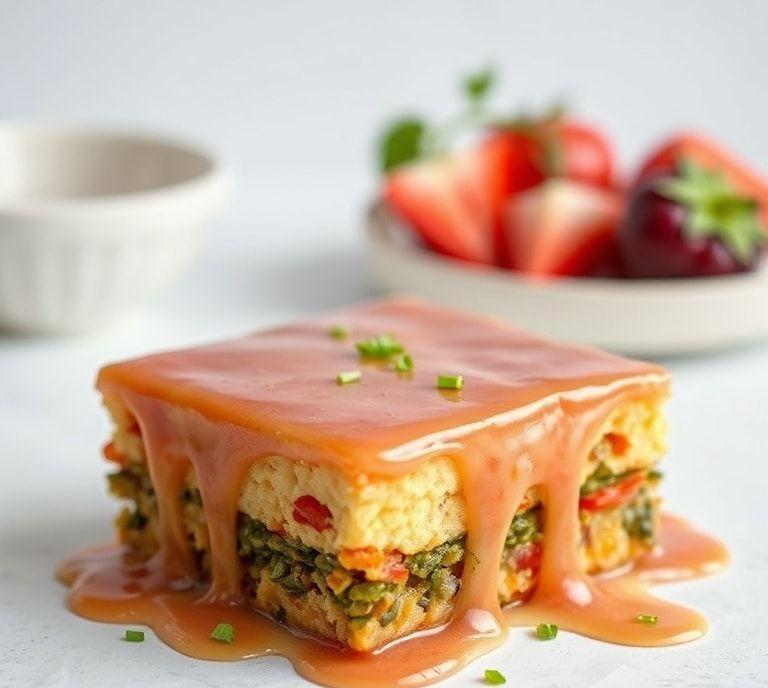
While the traditional mirror glaze often calls for gelatin or sometimes other animal-derived ingredients, this vegetarian-friendly version uses agar-agar as a substitute for gelatin. Agar-agar, derived from seaweed, works similarly to gelatin but is completely plant-based, making it a great choice for vegetarians or anyone looking to keep things cruelty-free.
The result is a glaze that’s just as smooth, shiny, and glossy as the gelatin-based versions. But there’s something truly satisfying about knowing that the ingredients used are kind to animals and the planet. Let’s dive into the details of this recipe.
Ingredients Needed
For this vegetarian mirror glaze, you’ll need just a few key ingredients. Don’t let the short list fool you-the magic happens in the technique.
- Agar-Agar Powder: This is your substitute for gelatin. It’s incredibly potent, so you won’t need much. If you haven’t used it before, it might seem like a small packet isn’t enough, but trust me, it’s plenty!
- Sugar: You’ll want regular granulated sugar to sweeten the glaze. It balances out the acidity of the fruit and the richness of the chocolate (if you’re making a chocolate version).
- Water: To dissolve the agar-agar and make sure it’s evenly incorporated.
- Condensed Coconut Milk: This is the secret ingredient that adds richness and smoothness without any dairy. It gives the glaze that velvety texture while also contributing to its sweet, creamy flavor.
- White Chocolate: A little bit of white chocolate goes a long way in making the glaze just sweet enough, without being overpowering. You can also use a dairy-free white chocolate if you want to keep it completely vegan.
- Food Coloring (Optional): This is where you can get creative. You can add food coloring to make your glaze any color under the sun. The vibrant colors pop, especially when the glaze is fresh and just poured on a cake.
Cooking Instructions
Making this vegetarian mirror glaze isn’t as tricky as it might sound. Follow these steps, and you’ll be ready to pour that shiny, glossy glaze on your cake in no time.
- Prep the Base: Start by dissolving the agar-agar powder in water. Stir it together and bring the mixture to a gentle boil over medium heat. It should take just a minute or two to dissolve completely. You want to see tiny bubbles on the surface but don’t let it boil over or cook too long.
- Add Sugar: Stir in the sugar and let it dissolve. You’ll notice the liquid getting a bit thicker-this is what you want.
- Combine with Coconut Milk: Once the sugar is dissolved, add the condensed coconut milk. Stir continuously, making sure everything is well combined. This is when your glaze starts to take on that lovely, creamy texture.
- Melt the Chocolate: While your glaze mixture is coming together, melt the white chocolate in a heatproof bowl over simmering water (double-boiler method), or microwave it in short bursts. Stir it gently until it’s smooth and fully melted.
- Finish the Glaze: Pour the melted white chocolate into the agar-sugar-coconut milk mixture. Stir until everything is smooth and uniform.
- Add Color: If you’re using food coloring, now is the time to add it. You can either use gel food coloring (which works best to keep the glaze smooth) or liquid food coloring. Add just a few drops until you achieve the desired shade.
- Strain and Cool: Strain the glaze through a fine sieve to make sure it’s perfectly smooth with no lumps. Let the glaze cool to about 95°F (35°C). It should still be fluid and pourable but not too hot that it melts your cake.
- Pour Over Cake: Once your glaze is the right temperature, pour it gently over your prepared cake, starting from the center and letting it cascade down the sides. Don’t worry about making it perfect-let gravity do the work for you.
Ingredient Science Spotlight
Here’s where things get a little nerdy. Agar-agar, the key ingredient in this vegetarian mirror glaze, is a polysaccharide derived from red algae. It behaves a bit differently from gelatin because it sets at a much higher temperature. Gelatin sets at room temperature, but agar-agar needs to cool to about 95°F to set properly.
The magic of agar-agar in this recipe is that it allows the glaze to hold that perfect glossy sheen while remaining stable at room temperature. It also has the added bonus of being a vegan alternative to gelatin, which comes from animal collagen. This little change helps transform a traditional recipe into something accessible for a wider range of dietary preferences.
Expert Tips
Here are a few tips to ensure your mirror glaze turns out perfectly:
- Pre-chill the Cake: Before pouring the glaze, make sure your cake is completely chilled. A cold cake helps the glaze set faster, giving it that smooth, shiny finish. If the cake is too warm, the glaze will melt and lose its gloss.
- Strain the Glaze: Even though I’ve mentioned this before, it’s worth repeating-strain your glaze to avoid any unwanted lumps or air bubbles. This is what ensures a smooth, professional finish.
- Temperature is Key: If your glaze is too hot, it can melt the cake. If it’s too cool, it will set too quickly and won’t flow over the cake nicely. Aim for a temperature of around 95°F for the perfect pour.
- Use a Turntable: If you’ve got a cake turntable, use it! This makes pouring the glaze so much easier and ensures an even coat all around the cake.
Recipe Variations
Now that you’ve got the basics down, you can play around with different flavors and colors. Here are a few variations to try:
- Chocolate Mirror Glaze: If you’re a fan of chocolate, swap out the white chocolate for dark chocolate to make a decadent, glossy chocolate glaze.
- Fruit-Flavored Glaze: Add fruit puree (like raspberry or mango) to the glaze to give it a fruity flavor. Just be sure to adjust the sugar levels since fruit can add some tartness.
- Layered Glaze: For a fun effect, you can pour one color of glaze over the cake and then layer a second color for a two-tone finish.
Final Words
Making a vegetarian mirror glaze is a fun, satisfying process that allows you to create something both beautiful and delicious. While the technique takes a bit of practice, it’s worth every moment when you see the glossy, perfect result.
Whether you’re creating this for a special event or just want to impress your family with an elegant cake, this vegetarian version of the mirror glaze ensures you don’t have to compromise on either flavor or ethics. Plus, you get to be the star of the show, serving a cake that looks like it came straight from a bakery.
FAQs
What Ingredients Are Needed For A Vegetarian Mirror Glaze?
To make a vegetarian mirror glaze, you will need agar-agar (a plant-based gelling agent), sugar, water, condensed coconut milk or a similar dairy-free alternative, glucose syrup, and food coloring (optional). Agar-agar is used instead of gelatin, making the glaze fully vegetarian.
Can I Substitute Agar-agar With Gelatin In A Vegetarian Mirror Glaze Recipe?
No, gelatin is derived from animal products, making it unsuitable for vegetarians. Agar-agar is the best substitute for gelatin in a vegetarian mirror glaze recipe. Agar sets more firmly and needs to be heated to dissolve, unlike gelatin, which dissolves at lower temperatures.
How Do I Achieve A Smooth, Shiny Finish With A Vegetarian Mirror Glaze?
To achieve a smooth, shiny finish with a vegetarian mirror glaze, it’s essential to ensure the glaze is heated to the correct temperature (around 85-90°C or 185-194°F). After pouring the glaze over your dessert, let it drip off the sides gently and evenly. Ensure the surface of the cake or dessert is cold before applying the glaze to prevent it from melting. Additionally, using a smooth, glossy coconut milk base contributes to the mirror effect.