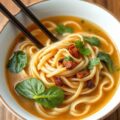
If you’re like me, some of the best memories are made around the dinner table, with a comforting bowl of something hot and satisfying. One dish that has a special place in my heart (and stomach) is vegetarian miso ramen. It’s one of those meals that you can keep coming back to, whether it’s a cozy winter night or a quick weeknight fix. What makes it even better is that it’s incredibly versatile, so you can tweak it to fit whatever mood you’re in or whatever ingredients you have at hand.
I first stumbled upon vegetarian ramen while trying to expand my culinary horizons. I wasn’t strictly vegetarian at the time, but I found myself drawn to the simplicity and warmth of plant-based dishes. The richness of the broth, the chew of the noodles, the crisp vegetables-it’s a bowl of pure comfort. And once I learned how to make it from scratch, it became my go-to meal.
I’ll walk you through my favorite vegetarian miso ramen recipe, one that’s quick enough to make on a weekday but still feels like something special. You don’t need to be a ramen pro to get it right; all you need is a bit of patience and a few key ingredients to create that satisfying depth of flavor.
Vegetarian Miso Ramen Recipe
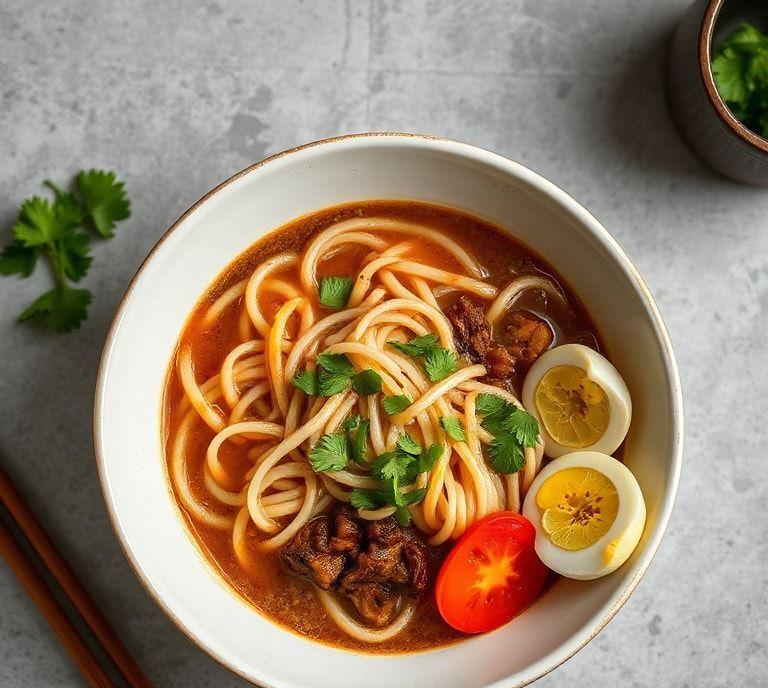
This vegetarian miso ramen is rich, hearty, and loaded with layers of umami flavor from the miso paste, while the vegetables give it freshness and texture. The miso broth is the star here, providing the perfect balance of salty, savory, and a hint of sweetness. And the beauty of this recipe is that you can tailor it to suit your tastes. Love mushrooms? Add more. Prefer it a bit spicier? Throw in some chili paste or hot sauce. The best part: It’s totally customizable.
Ingredients Needed
To make the perfect vegetarian miso ramen, you don’t need an overwhelming list of ingredients. Most of the items are pantry staples or easy-to-find vegetables. Here’s what you’ll need:
- Ramen Noodles – Fresh or dried, but fresh ramen noodles tend to hold up better in the broth. If you’re using dry noodles, cook them just until al dente so they don’t get mushy in the soup.
- Vegetable Broth – A hearty vegetable broth serves as the base of the soup. You could use mushroom broth for an extra earthy depth if you’re feeling adventurous.
- Miso Paste – The magic ingredient that brings everything together. I prefer a mix of white and red miso to balance sweetness and umami. If you only have one type, that works too.
- Soy Sauce – A dash of soy sauce adds extra umami and saltiness to the broth.
- Garlic & Ginger – These two aromatics will infuse your broth with fragrance and warmth. The garlic adds a slight bite, while ginger gives it a zesty freshness.
- Sesame Oil – For a little richness and depth. This adds a toasty flavor that complements the miso.
- Tofu – I like to add firm tofu for some protein. When sautéed or pan-fried, it gives a crispy texture that contrasts beautifully with the silky broth.
- Vegetables – Here’s where you can get creative! I love adding mushrooms (shiitake or cremini), bok choy, corn, spinach, and scallions. But you could use any vegetables you enjoy. Sweet potato or broccoli can be great additions too.
- Toppings – A boiled egg (optional), nori sheets, sesame seeds, and chili flakes are great finishing touches. Sometimes I also add a drizzle of chili oil if I’m in the mood for a little extra heat.
Cooking Instructions
-
Prepare The Noodles
Start by cooking the ramen noodles according to the package instructions. Once they’re done, drain them and set them aside. You want them al dente because they’ll continue to cook in the hot broth.
-
Sauté Aromatics
In a large pot, heat a tablespoon of sesame oil over medium heat. Add the garlic and ginger and sauté until fragrant, about 1-2 minutes. Be careful not to burn them, as they can get bitter.
-
Build The Broth
Pour in the vegetable broth and bring it to a simmer. Stir in the miso paste until it dissolves fully. Add soy sauce and a pinch of salt to taste. Let the broth simmer for 5-10 minutes so the flavors meld together. At this stage, you can taste and adjust the seasoning if needed-add more miso for richness or soy sauce for saltiness.
-
Prepare The Tofu
While the broth is simmering, cut the tofu into cubes. Heat a small amount of sesame oil in a frying pan over medium-high heat. Once hot, add the tofu and cook until golden and crispy on all sides. Set aside.
-
Assemble The Ramen
Divide the cooked ramen noodles into bowls. Pour the hot miso broth over the noodles, then top with your sautéed tofu and your choice of vegetables. I like to add bok choy and mushrooms here, but spinach, corn, and sliced carrots also work wonderfully.
-
Garnish And Serve
Now for the fun part-toppings! Add a boiled egg (if you want), some sliced scallions, sesame seeds, and a few sheets of nori. Drizzle some chili oil or sprinkle chili flakes for an added kick if desired. Serve hot and enjoy!
Ingredient Science Spotlight
The magic of this dish lies in the miso paste and how it transforms the broth. Miso is a fermented paste made from soybeans (though there are variations using rice or barley), and it’s packed with amino acids, especially glutamate, which gives it that deep umami flavor we crave in comfort food. The fermentation process also introduces probiotics, which are great for gut health. When combined with the vegetable broth, it creates a savory, almost meaty flavor profile that makes this ramen feel incredibly hearty, despite being completely vegetarian.
The tofu provides protein and texture. When sautéed, tofu develops a crispy exterior, which adds contrast to the smooth, rich broth. It’s a great source of plant-based protein and is incredibly versatile, taking on the flavors around it.
The ginger and garlic aren’t just aromatic; they bring layers of depth to the broth. Ginger, for example, has a natural heat that complements the richness of the miso, while garlic’s savory pungency balances out the sweetness in the broth.
Expert Tips
- Miso paste can be salty, so always taste as you go and adjust your seasoning toward the end. If the broth is too salty, you can dilute it with a little more vegetable broth or water.
- Don’t overcook the vegetables. You want them tender, but still vibrant. Bok choy, for example, should remain crisp, not wilted.
- If you like a richer broth, add a spoonful of tahini or peanut butter to the mix. It adds creaminess and a slight nuttiness that complements the miso beautifully.
- For an extra umami boost, toss in a few dried shiitake mushrooms to the broth as it simmers. They’ll rehydrate and infuse the broth with their earthy flavor.
Recipe Variations
- Spicy Miso Ramen: Add a dollop of chili paste or sriracha to the broth for a spicy kick. You can also drizzle some chili oil over the finished ramen for extra heat.
- Coconut Milk Ramen: For a more creamy version, add coconut milk to the broth. This will give your ramen a rich, velvety texture and a slightly tropical flavor.
- Zucchini Noodles: If you’re avoiding carbs or just want a lighter option, replace the ramen noodles with zucchini noodles (zoodles). They’ll soak up the broth and add a refreshing, crunchy texture.
- Protein Variation: Instead of tofu, you could use tempeh, seitan, or even grilled eggplant for a different plant-based protein option.
Final Words
What makes this vegetarian miso ramen so appealing is its simplicity. You don’t need a ton of exotic ingredients or special equipment to make it. With just a few fresh ingredients and a little patience, you can create a bowl of ramen that’s full of flavor and warmth.
I find it to be the perfect comfort food, no matter the season. In winter, it’s warming and filling. In summer, you can tweak the ingredients to make it lighter while still satisfying your ramen cravings. Plus, making it from scratch feels so much better than instant ramen-it’s like creating your own cozy little moment in the kitchen.
FAQs
What Ingredients Are Essential For A Vegetarian Miso Ramen Recipe?
A basic vegetarian miso ramen recipe requires miso paste (preferably white or yellow miso for a lighter flavor), vegetable broth, soy sauce, sesame oil, garlic, ginger, and various vegetables like mushrooms, spinach, corn, and bok choy. Toppings such as tofu, seaweed, and green onions can also be added. Ramen noodles, of course, are essential for the dish.
Can I Make Vegetarian Miso Ramen Gluten-free?
Yes, vegetarian miso ramen can easily be made gluten-free by using gluten-free ramen noodles, which are typically made from rice or buckwheat. Make sure to choose a gluten-free miso paste and check the soy sauce for gluten, as traditional soy sauces often contain wheat. Tamari soy sauce is a great gluten-free alternative.
How Can I Enhance The Flavor Of My Vegetarian Miso Ramen?
To enhance the flavor of your vegetarian miso ramen, consider adding umami-rich ingredients like a splash of tamari soy sauce, a spoonful of miso paste, or a dash of miso-infused sesame oil. You can also experiment with toppings like pickled ginger, chili oil, and roasted garlic. For a richer broth, you can simmer the vegetable stock with kombu (seaweed) and dried shiitake mushrooms for added depth.