If you’ve ever tried Moo Shu, you know it’s the perfect harmony of flavors-crunchy, tender, savory, with just a hint of sweetness. Traditionally, Moo Shu is a Chinese dish with thin pancakes, stir-fried vegetables, and sometimes meat, all drizzled with hoisin sauce. It’s one of those meals that feels like a celebration, no matter what night of the week it is.
But, like many classic recipes, it has evolved over time. When I first encountered Moo Shu, it was at a cozy little Chinese restaurant in the heart of San Francisco, tucked away in a corner of Chinatown. I can still remember the first bite-the perfectly crisp pancakes, warm veggies, and that savory hoisin sauce that seemed to tie everything together. I was hooked instantly.
Over time, though, I wanted to explore a more plant-based twist, so I started experimenting with vegetarian ingredients. The challenge was to maintain the depth and richness of the original while making sure each bite was as satisfying and full of texture. After a few trial runs (and some missteps along the way!), I finally came up with a vegetarian Moo Shu recipe that rivals its meat-based counterpart. It’s vibrant, delicious, and absolutely packed with flavor. Let me take you through it.
Vegetarian Moo Shu Recipe
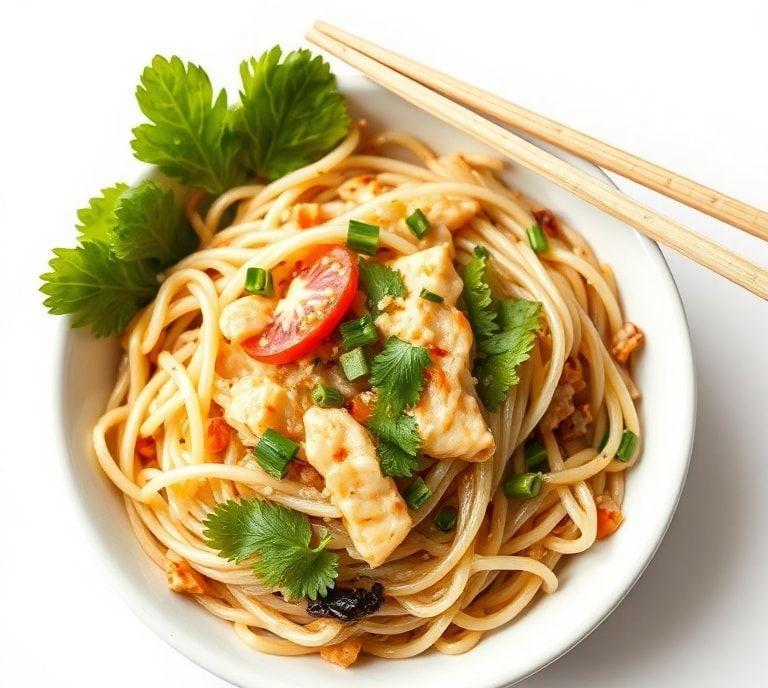
Moo Shu doesn’t need meat to make it great-it’s all about the vegetables, the sauce, and the right balance of textures. You’ve got your soft yet crisp cabbage, earthy mushrooms, crunchy bamboo shoots, and the lovely sweetness of hoisin sauce, all wrapped up in a delicate pancake. But what really makes this vegetarian version stand out is the way I use tofu to bring a bit of protein and substance, without losing the lightness and flavor of the dish.
Here’s how I make my version of Vegetarian Moo Shu. It’s quick, it’s easy, and it’s absolutely delicious.
Ingredients Needed
-
Vegetables
- 1 cup shredded cabbage (green or Napa cabbage works best)
- 1 cup shiitake mushrooms (fresh, or dried if you have time to rehydrate them)
- 1/2 cup bamboo shoots, julienned
- 1 small carrot, julienned or shredded
- 2 green onions, thinly sliced
-
Protein
- 1 block firm tofu (extra firm works best for the texture you want here)
-
Pancakes
- 8-10 Moo Shu pancakes (you can find these pre-made or opt for flour tortillas if you’re in a pinch)
-
Sauce
- 3 tbsp hoisin sauce
- 2 tbsp soy sauce
- 1 tbsp rice vinegar
- 1 tsp sesame oil
- 1 tsp sugar
- 1 tsp cornstarch (optional, for thickening)
-
Garnish
- Sesame seeds (optional)
- Fresh cilantro (optional)
Cooking Instructions
- Prep the tofu: Start by pressing the tofu to remove excess moisture. I usually wrap it in a clean towel and place a heavy object on top for about 15 minutes. Once pressed, cut the tofu into small cubes.
- Cook the tofu: Heat a little vegetable oil in a large skillet over medium-high heat. Add the tofu cubes and sauté them until golden and slightly crispy. This step gives the tofu that lovely, bite-sized texture that holds up well with the other ingredients. Set the tofu aside once cooked.
- Stir-fry the vegetables: In the same skillet, add a touch more oil if needed and toss in the cabbage, carrots, and bamboo shoots. Stir-fry them for about 3-4 minutes, just until they begin to soften. Next, add the mushrooms and cook for another 2-3 minutes until they’re tender. Then, add the green onions and give everything a good toss.
- Make the sauce: In a small bowl, whisk together the hoisin sauce, soy sauce, rice vinegar, sesame oil, sugar, and cornstarch (if using). Pour the sauce into the skillet with the veggies and tofu. Stir everything together to coat the ingredients evenly. Allow the sauce to simmer for 2-3 minutes, letting it thicken slightly.
- Warm the pancakes: While the sauce simmers, heat the Moo Shu pancakes in a separate pan or in the microwave according to the package instructions. They should be warm and pliable-just enough to wrap around the filling.
- Assemble the Moo Shu: Spoon the stir-fried veggie and tofu mixture into the center of each pancake. Fold the sides of the pancake in and roll it up like a little burrito. Repeat for all the pancakes.
Ingredient Science Spotlight
Let’s take a moment to look at some of the key ingredients in this dish and why they shine:
- Tofu: When pressed and sautéed, tofu becomes wonderfully crispy on the outside, creating a contrast in texture with the soft vegetables. Tofu also acts like a sponge, absorbing the flavor of the sauce and enriching the dish with its subtle, nutty taste. It’s a perfect vegetarian stand-in for the meat in traditional Moo Shu.
- Hoisin Sauce: This is the heart and soul of Moo Shu. It’s a sweet, salty, and slightly tangy sauce that brings everything together. Made with fermented soybeans, garlic, and spices, hoisin adds depth and a rich umami flavor that makes each bite so satisfying.
- Shiitake Mushrooms: These mushrooms have a meaty texture and a deep, savory flavor. They’re a fantastic replacement for the traditional pork or chicken found in many Moo Shu recipes. When cooked, shiitakes add an earthy richness that complements the other vegetables beautifully.
Expert Tips
- Press your tofu properly: This is a big one. If you don’t press your tofu well, it can end up soggy and limp, which isn’t what you want. Press it long enough to remove as much moisture as possible so the tofu crisps up nicely in the pan.
- Pancake substitution: If you can’t find Moo Shu pancakes, flour tortillas are a great substitute. Alternatively, you can use lettuce leaves for a lighter, lower-carb version, though they won’t quite have the same mouthfeel as the pancakes.
- Customize the veggies: The beauty of this dish is how versatile it is. Feel free to swap out or add any vegetables you like-snow peas, bell peppers, or even some baby corn can work wonders.
- Double the sauce: If you love a saucy dish, don’t be afraid to double the hoisin mixture. Just make sure to simmer it for a bit longer so it thickens properly.
Recipe Variations
- Spicy Moo Shu: Add a bit of chili paste or crushed red pepper to the sauce for a spicy kick. You could also stir-fry some sliced chili peppers with the vegetables for an added layer of heat.
- Mushroom Medley: Try combining different types of mushrooms, like oyster, cremini, or portobello, for an even more complex flavor profile. This variation will add richness and depth to the dish.
- Add Crunch: For extra texture, sprinkle some chopped peanuts or cashews over the finished Moo Shu. The crunchiness contrasts beautifully with the tender veggies and tofu.
Final Words
Vegetarian Moo Shu is one of those dishes that feels special, even though it’s incredibly easy to make at home. It’s satisfying without being overly heavy, and it strikes a perfect balance between healthy vegetables and hearty tofu. What’s even better is how adaptable it is-whether you’re sticking strictly to the recipe or getting creative with your ingredients, this dish is a sure win for anyone looking to eat a little lighter without sacrificing flavor.
FAQs
What Is A Vegetarian Moo Shu Recipe?
A vegetarian moo shu recipe is a plant-based variation of the traditional Chinese dish moo shu pork. It typically consists of stir-fried vegetables such as cabbage, mushrooms, and tofu, along with scrambled eggs (optional), served with thin pancakes or hoisin sauce. It is a flavorful, healthy alternative to the meat-based version, often enjoyed by vegetarians or those seeking a lighter option.
What Vegetables Are Commonly Used In Vegetarian Moo Shu?
Common vegetables used in a vegetarian moo shu recipe include napa cabbage, shiitake mushrooms, carrots, and scallions. Tofu is often added for protein, and optional ingredients may include bamboo shoots, wood ear mushrooms, or bean sprouts. The vegetables are typically stir-fried and combined with hoisin sauce to create a savory filling.
How Can I Make Vegetarian Moo Shu Recipe Gluten-free?
To make a vegetarian moo shu recipe gluten-free, you can substitute the traditional pancakes with gluten-free tortillas or wraps made from rice flour or other gluten-free grains. Additionally, ensure that the hoisin sauce used is gluten-free, as many commercial brands contain wheat. Look for specifically labeled gluten-free hoisin sauces or make your own at home using tamari instead of soy sauce.