I’ve always found comfort in a good risotto. There’s something magical about the way the rice soaks up the flavors, the creamy texture that coats each bite, and the satisfaction that comes with every stirring motion. For me, risotto isn’t just food-it’s an experience. One of those dishes that requires attention, patience, and a little love to make it come out just right.
This vegetarian mushroom risotto is one of those recipes I keep coming back to, whether I’m cooking for myself after a busy day or making it for friends who come over for dinner. The earthiness of mushrooms, the richness of vegetable broth, and that perfect, creamy consistency-it’s a dish that hits all the right notes. And it’s surprisingly easy to make, once you get the hang of the technique.
I’m going to walk you through everything you need to know to make this mushroom risotto in your own kitchen, from the ingredients to the science behind some of the choices, and a few variations to switch things up when you’re feeling adventurous. Let’s dive into it!
Vegetarian Mushroom Risotto Recipe
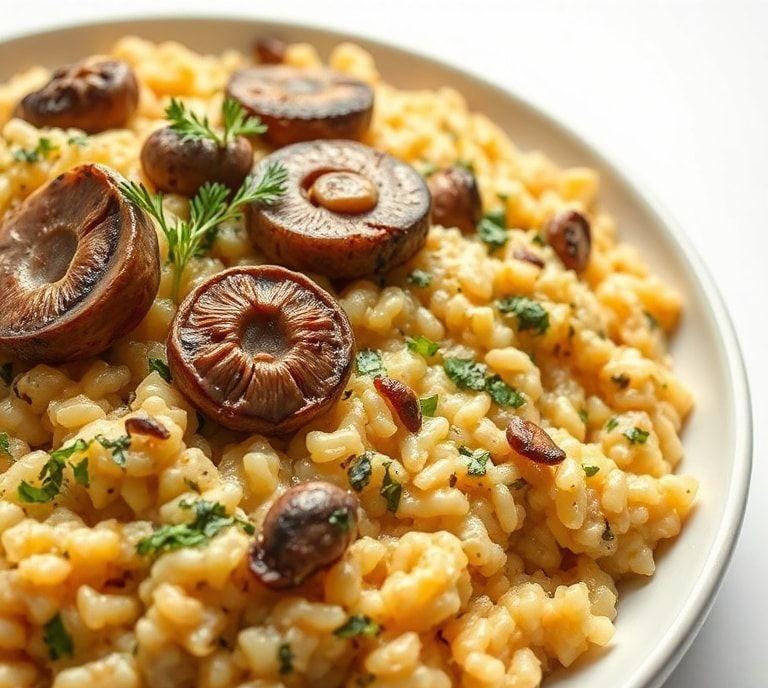
There’s no denying that risotto can be intimidating for some people. It requires attention and patience, yes, but it’s not complicated. The trick is getting the right balance between heat and the slow addition of liquid to allow the rice to release its starches and become that dreamy, creamy consistency. The mushrooms in this recipe add an earthy, meaty flavor without overwhelming the dish.
This vegetarian version relies on a robust vegetable broth to build flavor, while a handful of mushrooms-whether you choose a mix of cremini, shiitake, or porcini-gives the risotto a rich, satisfying texture.
Ingredients Needed
For this mushroom risotto, I keep it pretty simple. Here’s what you’ll need:
- 1 ½ cups Arborio rice (this is the key to that creamy texture!)
- 4 cups vegetable broth (or as needed)
- 1 cup white wine (optional, but it brings depth to the flavor)
- 2 tablespoons olive oil (you can use butter if you prefer, but I love the richness of olive oil)
- 1 medium onion, finely chopped
- 2 cloves garlic, minced
- 1 cup mixed mushrooms, sliced (cremini, shiitake, and porcini work great together)
- ½ cup freshly grated Parmesan cheese (optional for a creamy finish)
- Salt and freshly ground black pepper, to taste
- Fresh herbs for garnish (parsley or thyme are lovely here)
- A squeeze of lemon juice (to balance the richness)
Cooking Instructions
- Prepare the broth: In a saucepan, heat your vegetable broth over low heat. Keep it warm while you cook the risotto. This will allow the rice to absorb the liquid more evenly.
- Sauté the mushrooms: Heat a large skillet or saucepan over medium-high heat. Add a tablespoon of olive oil and sauté the sliced mushrooms until they release their liquid and begin to brown. This should take about 5-7 minutes. Remove them from the pan and set them aside.
- Sauté the onion and garlic: In the same pan, add the remaining tablespoon of olive oil. Add the chopped onion and cook it for 2-3 minutes, until it softens and becomes translucent. Add the garlic and cook for another minute, just until fragrant.
- Toast the rice: Add the Arborio rice to the pan and stir it well so that the rice is coated in the oil and onion mixture. Let it toast for 1-2 minutes, which will bring out a nutty flavor in the rice.
- Deglaze with wine: Pour in the white wine and cook it off, stirring constantly. This will add depth of flavor to the risotto. Once the wine has evaporated, you’re ready to begin adding the broth.
- Cook the risotto: Begin adding the warm vegetable broth, one ladleful at a time, stirring constantly. Allow the liquid to be absorbed before adding more broth. Continue this process until the rice is tender and creamy, which usually takes about 20-25 minutes. You may not use all the broth, but you’ll want the rice to be just cooked through and still al dente.
- Finish the dish: Once the rice is cooked, return the sautéed mushrooms to the pan. Stir in the Parmesan cheese (if using), and season with salt, pepper, and a squeeze of lemon juice for brightness.
- Serve: Garnish with fresh herbs and more cheese, if you like. Serve immediately.
Ingredient Science Spotlight
Understanding the role each ingredient plays in this dish can elevate your cooking game. Let’s take a moment to dive into the science behind some of the key components.
- Arborio Rice: This short-grain rice is essential for risotto. Its high starch content is what gives risotto its signature creamy texture. When cooked, the starches leach out into the liquid, thickening it and giving the dish its velvety consistency. It’s important to stir the rice constantly, which encourages the release of more starch.
- Mushrooms: Mushrooms are full of umami-the savory, almost meaty flavor that makes them a perfect addition to a vegetarian risotto. Different types of mushrooms bring different flavors and textures. Shiitakes are rich and earthy, creminis are meaty, and porcini mushrooms (especially if you can find dried ones and rehydrate them) bring an intense depth to the dish.
- Broth: Whether you choose vegetable or mushroom broth, the key here is the flavor. The broth is the foundation of your dish. It’s what helps the rice absorb flavor as it cooks. Using a homemade broth will give your risotto a more robust, personal touch, but a good store-bought broth can work wonders too.
Expert Tips
- Don’t rush the process: Risotto requires patience. If you dump all the broth in at once, the rice will become too starchy and not achieve that lovely creamy consistency. Add the liquid bit by bit and stir often to let the rice absorb the flavors gradually.
- Rest before serving: After your risotto is done cooking, let it rest for a few minutes. This allows the flavors to meld together and gives the rice a chance to finish absorbing any remaining liquid.
- Mushroom magic: If you’re using dried mushrooms, remember to save the soaking liquid! It’s packed with flavor and can be added to the broth or used in soups and sauces. Don’t waste it!
- Balance the richness: A little squeeze of lemon juice can do wonders for cutting through the richness of the risotto. It brightens the entire dish and adds a fresh note that contrasts with the earthy mushrooms.
Recipe Variations
While this mushroom risotto is a classic, there are plenty of ways to make it your own. Here are a few ideas to play around with:
- Add some greens: Stir in some fresh spinach or kale towards the end of cooking. The greens wilt quickly and add a pop of color and nutrition.
- Add truffle oil: For a more decadent version, drizzle a little truffle oil on top just before serving. It adds an aromatic, luxurious touch.
- Go dairy-free: If you want to skip the cheese, coconut milk or a dollop of cashew cream can provide a rich, creamy texture without dairy. You can also use a dairy-free Parmesan.
- Roasted garlic and thyme: Roast garlic and thyme together in the oven, then stir them into the risotto for an added layer of flavor.
Final Words
Cooking risotto is all about rhythm. The gentle stirring, the careful adding of broth, and the slow building of flavors create a meditative experience that rewards you at the end with a dish that feels special every time you make it. This mushroom risotto is comforting yet elegant, rich yet balanced. It’s a dish that fits into a busy weeknight dinner as easily as it does a dinner party menu.
FAQs
Can I Make Vegetarian Mushroom Risotto Without Using Wine?
Yes, you can prepare vegetarian mushroom risotto without wine. Substitute the wine with an equal amount of vegetable broth or a splash of lemon juice to maintain acidity and enhance the flavor of the mushrooms. The key is to add it gradually, just as you would with wine, to maintain the risotto’s creamy texture.
What Type Of Mushrooms Are Best For A Vegetarian Mushroom Risotto?
A combination of mushrooms works best for rich flavor and texture. Common choices include cremini, button, portobello, and shiitake mushrooms. Cremini and button mushrooms offer a mild flavor, while portobello and shiitake provide a more robust, earthy taste. Sautéing the mushrooms before adding them to the risotto enhances their umami flavor.
How Do I Achieve The Perfect Creamy Texture In Vegetarian Mushroom Risotto?
The creamy texture of risotto comes from the gradual absorption of liquid by the rice and the release of starch. Use short-grain rice such as Arborio or Carnaroli, and add warm vegetable broth one ladle at a time, stirring frequently. Avoid rushing the process or adding all the liquid at once. Finishing the risotto with a small amount of butter and grated Parmesan (or a vegetarian alternative) helps enhance the creaminess.