When it comes to hearty, nutritious meals that don’t take all day to prepare, I’ve always had a soft spot for vegetables that pack a punch. And, in my opinion, few can match the bold, vibrant flavor of mustard greens. Whether you’ve had them in a southern-style dish, tossed into a salad, or sautéed with garlic, these leafy greens have the unique ability to be both spicy and mellow, depending on how you cook them.
Now, I could go on and on about their health benefits-because believe me, there’s a lot to love there-but what I really want to focus on today is how to bring these greens to life in your kitchen. The best way I’ve found is through a simple yet satisfying vegetarian mustard greens recipe, one that highlights the natural flavor while giving you a well-rounded, flavorful meal.
So, let’s take a step-by-step journey through the magic of mustard greens, and by the end of it, you’ll have a go-to recipe that feels just as comforting as it is nutritious.
Vegetarian Mustard Greens Recipe
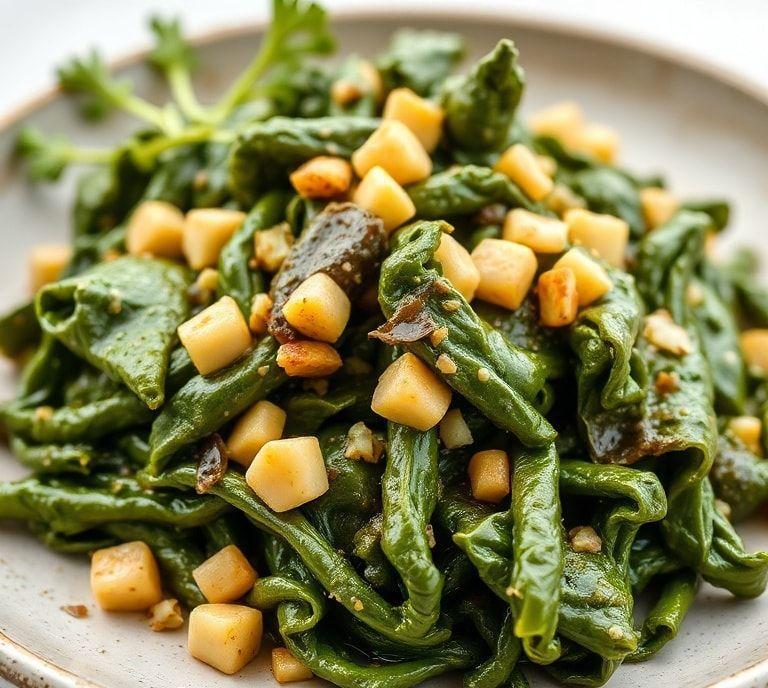
This recipe is as much about simplicity as it is about flavor. We’re using mustard greens as the star of the show and pairing them with a few key ingredients that help round out their slightly bitter taste. The balance between earthy, spicy, and savory makes each bite feel like a celebration of vegetables.
This isn’t just a side dish-it can easily be turned into a main course, especially if you serve it over rice or with a slice of warm, crusty bread to soak up any delicious juices. Perfect for a weeknight dinner or even a meal prep for those busy days when you need something nutritious and filling.
Ingredients Needed
Here’s what you’ll need for this recipe (don’t worry, no exotic ingredients required-just a few simple staples):
- Mustard greens (1 bunch): Fresh, vibrant, and ready to take center stage.
- Olive oil (2 tbsp): For sautéing the greens and infusing them with a bit of richness.
- Garlic (3 cloves, minced): Garlic adds an aromatic base that complements the greens beautifully.
- Onion (1 medium, chopped): Sweet onion for some subtle sweetness that balances the mustard greens’ bitterness.
- Vegetable broth (1 cup): To cook the greens and infuse them with flavor while helping them soften.
- Apple cider vinegar (1 tbsp): A splash of acidity to brighten the dish and bring out the mustard greens’ natural sharpness.
- Salt and pepper: Just to taste, but enough to season it to perfection.
- Crushed red pepper flakes (optional, 1 tsp): If you like a little heat, these are a perfect touch.
Cooking Instructions
Now for the fun part: cooking! This isn’t a fussy recipe. It’s all about getting the timing right to allow the greens to wilt perfectly and absorb all those wonderful flavors.
- Prep the greens: Start by washing the mustard greens thoroughly. They tend to hold onto dirt, so give them a good rinse. Once they’re clean, trim off the tough stems and tear or chop the leaves into bite-sized pieces.
- Sauté the aromatics: In a large skillet or Dutch oven, heat up the olive oil over medium heat. Add the chopped onion and sauté until it softens and becomes translucent-about 5 minutes. Then toss in the minced garlic and let it cook for another minute, just until fragrant.
- Cook the greens: Add the mustard greens to the pan, stirring them around until they start to wilt (this takes just a few minutes). If the pan looks dry, add a little splash of vegetable broth to help them along.
- Simmer and season: Pour in the vegetable broth, stir everything together, and let it simmer for about 10 minutes, or until the greens have softened to your liking. At this point, stir in the apple cider vinegar, salt, and pepper. If you like a little heat, sprinkle in the crushed red pepper flakes.
- Taste and adjust: Give the greens a final taste, and adjust the seasoning if necessary. You want a perfect balance of savory, acidic, and slightly bitter from the greens.
- Serve: You’re done! Serve the mustard greens hot, with a drizzle of extra olive oil if desired. You can serve it as-is or pair it with a side of rice, quinoa, or warm bread.
Ingredient Science Spotlight
Mustard greens, like many cruciferous vegetables, are packed with health benefits. They’re a rich source of vitamins A, C, and K, which support immune health, skin health, and strong bones. But what makes mustard greens particularly interesting from a scientific standpoint is their sulfur-containing compounds, which are part of the glucosinolate family.
These compounds have been studied for their potential to help the body detoxify, fight inflammation, and even reduce the risk of certain cancers. They also contain fiber, which is excellent for digestive health, and antioxidants that protect your cells from oxidative stress.
In addition, the slightly bitter taste you’ll get from mustard greens comes from these same compounds. While bitterness is often something we shy away from in food, in the case of mustard greens, it’s actually a sign of their nutritional density. So don’t shy away from that sharp flavor-it’s doing your body good.
Expert Tips
- Balancing bitterness: If you’re new to mustard greens or find their bitterness a bit much, you can blanch them before sautéing. Simply drop the greens into boiling water for a minute or two, then transfer them to ice water to stop the cooking process. This will help soften the bitterness.
- Sweetness factor: To further balance the bitterness, consider adding a little sweetness-like a small pinch of sugar or a drizzle of honey-towards the end of cooking. It can help to cut through the sharpness while still keeping the dish savory.
- Don’t skip the vinegar: The apple cider vinegar is crucial in bringing out the flavor of the greens. A dash of acidity always elevates the dish, so don’t skip it!
- Batch cooking: Mustard greens store well, so feel free to make a large batch of this recipe. It keeps in the fridge for 3-4 days, and you can even freeze it for up to a month.
Recipe Variations
If you want to switch things up, here are a few variations you can try:
- Add beans for protein: Toss in a can of white beans or chickpeas for an extra protein boost. They’ll absorb some of the broth and make the dish even more filling.
- Use different greens: While mustard greens have a distinct taste, you can swap them out for collard greens or kale. The cooking times will be similar, though keep in mind that collards are often a bit thicker and may need a slightly longer cooking time.
- Add a smoky twist: If you love smoky flavors, try adding a bit of smoked paprika or a small piece of smoked sausage for a deeper, richer flavor profile.
- Make it spicy: If you really like heat, consider adding some chopped jalapeños or a touch of hot sauce at the end for a kick.
- Lemon zest: A sprinkle of fresh lemon zest at the end can add a bright, refreshing contrast to the richness of the greens.
Final Words
This vegetarian mustard greens recipe is not only simple but also full of flavor and health benefits. It’s one of those dishes that’s so easy to make, yet it tastes like you’ve put in more effort than you really have. Plus, it’s versatile-you can pair it with just about anything, from grains to roasted veggies, or even serve it on its own as a light yet satisfying main.
And remember, mustard greens are a powerhouse in the nutritional department, so you can feel good about putting this dish on the table regularly.
FAQs
What Are The Key Ingredients For A Vegetarian Mustard Greens Recipe?
A typical vegetarian mustard greens recipe includes fresh mustard greens, garlic, onion, olive oil or another plant-based oil, vegetable broth, and seasonings such as salt, black pepper, and optional spices like red pepper flakes. Some variations may also include tomatoes, ginger, or lemon juice to enhance flavor.
How Should I Prepare Mustard Greens For Cooking To Preserve Their Flavor And Nutrients?
To prepare mustard greens, first rinse them thoroughly under cold water to remove dirt and grit. Remove any tough stems, especially from larger leaves, and chop the greens into bite-sized pieces. Cooking them lightly, such as sautéing or steaming, helps preserve both nutrients and natural peppery flavor, while overcooking can lead to a bitter taste.
Can I Make A Vegetarian Mustard Greens Recipe Suitable For Meal Prep And Storage?
Yes, mustard greens can be cooked and stored for meal prep. After cooking, allow the greens to cool completely, then transfer them to an airtight container and refrigerate for up to 3-4 days. They can also be frozen for up to 2 months, though freezing may slightly alter texture. Reheat gently on the stovetop or in the microwave to avoid overcooking.