There’s something magical about discovering a recipe that just clicks-a recipe that isn’t just easy to make but also one that creates a little moment of happiness every time you bite into it. That’s how I feel about this Vegetarian Orange Cake recipe. It’s like capturing sunshine in a cake form. The sweetness of the orange, the richness of the batter, and the subtle, irresistible citrusy aroma fill your kitchen and your soul. If you’ve ever felt the weight of a long day melt away with the first bite of something comforting, this is one of those cakes. And don’t be fooled by its simplicity-this cake is an unsung hero in the world of homemade treats.
Now, I know that vegetarian recipes sometimes have this ’health-focused’ vibe that makes you think ’we”re going to be missing out on flavor”. But trust me, you won’t miss a thing here. The flavors are vibrant, the texture is moist, and it’s got just the right amount of sweetness to make it feel like a special occasion, even if it’s just another Tuesday.
So, let’s roll up our sleeves and get ready to bake a cake that’ll not only make your kitchen smell heavenly but will also give you a reason to take a little more time in your day to savor something simple and delicious.
Vegetarian Orange Cake Recipe
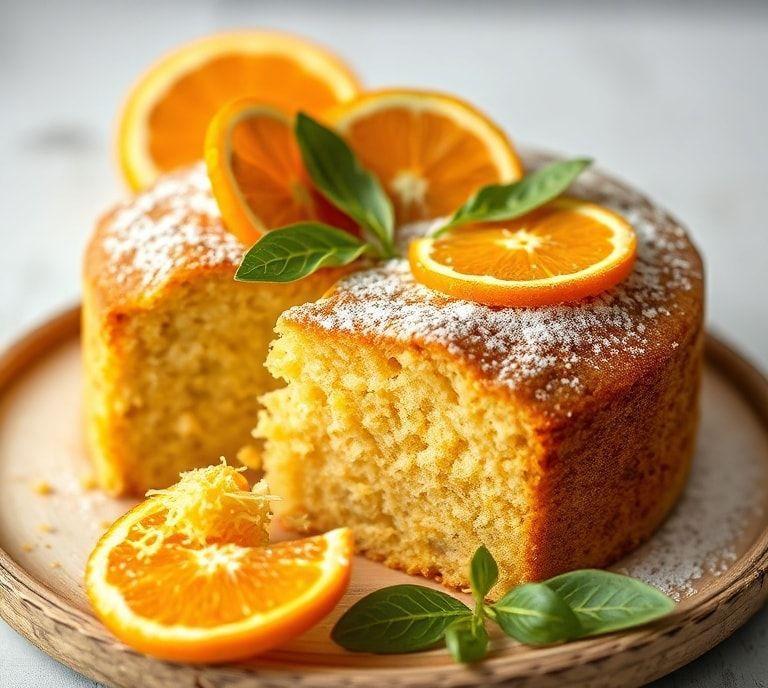
Here’s where the fun begins. I know the thought of baking a cake might sound intimidating to some, but once you’ve gathered your ingredients and seen how this cake comes together, you’ll realize it’s a breeze. There’s nothing complicated or overly fussy about it-just a few key ingredients, a little time, and you’ll have yourself a cake that’s as comforting as a hug.
Ingredients Needed
For this cake, you’ll want to have the following on hand:
- 1 ½ cups of all-purpose flour – The base of the cake, making sure it’s light and fluffy. I like to sift it before adding it to the mix.
- 1 cup of sugar – You want just enough sweetness to balance the orange’s zesty brightness.
- 2 medium oranges – The star of the show. You’ll need both the zest and the juice to get that fresh citrus punch.
- ½ cup of vegetable oil – This helps keep the cake moist without weighing it down. Feel free to use coconut oil for a subtle tropical twist.
- 1 teaspoon of vanilla extract – A little background warmth to complement the citrus.
- 1 teaspoon of baking powder – This gives the cake its rise and fluffiness.
- ¼ teaspoon of baking soda – To work with the acidic orange juice and help the cake rise.
- ½ teaspoon of salt – To enhance the flavors.
- 2 teaspoons of cornstarch – This helps create a finer, more delicate crumb.
- ½ cup of unsweetened plant-based milk – I use almond milk, but oat milk would also work beautifully.
- 1 tablespoon of apple cider vinegar – This reacts with the baking soda to make the cake even lighter and fluffier.
Cooking Instructions
This is where the magic happens. The steps are straightforward, and before you know it, you’ll have an oven full of the most fragrant cake batter you’ve ever smelled.
- Preheat your oven to 350°F (175°C). Grease and flour an 8-inch round cake pan or line it with parchment paper.
- In a large mixing bowl, combine the flour, sugar, cornstarch, baking powder, baking soda, and salt. Whisk them together so everything is evenly mixed.
- In a separate bowl, combine the plant-based milk, vegetable oil, vanilla extract, and apple cider vinegar.
- Zest the oranges, making sure to only get the outer peel (the white part can be bitter). Add the zest to the wet mixture. Then, juice the oranges, removing any seeds, and add the juice to the wet ingredients as well.
- Pour the wet ingredients into the dry ingredients and gently fold them together. Mix until just combined. You don’t want to overmix here, or the cake could end up dense.
- Pour the batter into your prepared cake pan and smooth the top with a spatula.
- Bake for 30-35 minutes, or until a toothpick inserted into the center comes out clean. You’ll know it’s ready when the top is golden and slightly cracked.
- Allow the cake to cool in the pan for about 10 minutes, then transfer it to a wire rack to cool completely.
Ingredient Science Spotlight
The magic behind this cake lies in the balance of ingredients. Orange juice and zest bring acidity, which is where the baking soda and apple cider vinegar come into play. These ingredients react together to produce carbon dioxide bubbles, which help the cake rise and achieve a light, airy texture. The cornstarch, meanwhile, acts as a tenderizer, softening the cake’s crumb so it’s almost melt-in-your-mouth. And that oil? It ensures the cake stays moist and prevents it from drying out as it bakes.
Baking powder and baking soda might seem like similar ingredients, but they play different roles. Baking powder is a double-acting leavening agent, meaning it releases gas twice-once when it’s mixed with liquid and again when it’s exposed to heat. The baking soda needs the acid from the orange juice and vinegar to activate, helping to create a fluffy texture that you can actually feel in each bite.
Expert Tips
- Use fresh oranges – The fresher the oranges, the better. You’ll really notice the difference in the cake’s flavor.
- Don’t overmix – Overworking the batter can lead to a tough cake. Mix just until everything is incorporated, and then stop.
- Add a pinch of cinnamon or nutmeg – A dash of spice can really elevate the orange flavor, giving it a warm, comforting undertone.
- Check the cake early – Oven temperatures can vary, so start checking your cake a few minutes before the recipe suggests to avoid overbaking.
- Let it cool completely – This cake is soft, and letting it cool fully helps it set and develop its full flavor.
Recipe Variations
- Gluten-Free Option: You can easily swap the all-purpose flour for a 1:1 gluten-free flour blend. Just make sure to check the flour’s packaging for any recommendations on how to make it work best.
- Add a glaze: For extra flair, make a simple glaze with powdered sugar and orange juice. Drizzle it over the cooled cake for an added citrus burst.
- Make it citrusy: If you want to play around with different flavors, try adding lemon zest along with the orange for a lemon-orange fusion.
- Chopped nuts: Add a handful of chopped walnuts or almonds into the batter for a bit of crunch.
Final Words
This vegetarian orange cake is all about simplicity and flavor. It’s a cake that doesn’t try too hard but still manages to steal the spotlight. Whether you’re making it for a special occasion, or just because you want something that makes your house smell like a bakery, this recipe will become a fast favorite. The beauty of it is that you don’t need anything fancy, just a few key ingredients that come together to create something truly satisfying.
This cake pairs perfectly with a cup of tea in the afternoon or served as a dessert after dinner, and even though it’s completely vegetarian, it feels indulgent in the best possible way.
FAQs
Can I Make This Orange Cake Completely Egg-free For A Vegetarian Diet?
Yes, you can make a vegetarian orange cake without eggs by using substitutes such as flaxseed meal mixed with water, applesauce, mashed banana, or commercial egg replacers. These alternatives help bind the ingredients and provide moisture, ensuring the cake remains soft and fluffy while maintaining its vegetarian status.
What Type Of Orange Should I Use For The Best Flavor In A Vegetarian Orange Cake?
For the best flavor, use fresh, juicy oranges with thin skin such as Valencia or Navel oranges. Both the zest and juice are important: the zest adds a concentrated citrus aroma, while the juice adds natural sweetness and moisture. Avoid bottled juice if possible, as it may alter the texture and reduce the freshness of the cake.
Can I Substitute Dairy Ingredients In This Vegetarian Orange Cake To Make It Vegan?
Yes, you can replace dairy ingredients to make the cake fully vegan. Use plant-based milk such as almond, soy, or oat milk in place of cow’s milk. For butter, substitute with vegan margarine, coconut oil, or another neutral vegetable oil. These substitutions maintain the richness and texture of the cake without compromising its vegetarian or vegan-friendly qualities.