Yotam Ottolenghi’s influence on modern cooking is undeniable. His approach to food transcends just nourishment; it’s an art that celebrates vibrant flavors, textures, and the unyielding power of vegetables to take center stage on any table. When you think of Ottolenghi, you probably imagine a palette of colorful, complex dishes that are as much about discovery as they are about taste. That’s what makes his vegetarian recipes so exciting. They aren’t just side dishes; they’re a main event, a celebration.
I remember the first time I made one of Ottolenghi’s recipes-it was a roasted vegetable dish with a tahini dressing. I had never quite thought of vegetables as something that could be so dynamic, so satisfying. But as soon as I tasted the blend of roasted carrots, sweet potatoes, and eggplant, smothered in that nutty, tangy tahini sauce, something clicked. Vegetables weren’t just a filler anymore; they were the stars of the show. So, when I was looking to try another Ottolenghi-inspired vegetarian recipe, I went straight for something just as bold and comforting: a roasted cauliflower dish with za’atar and pistachio. The depth of flavors and textures was nothing short of magical.
Vegetarian Ottolenghi Recipe
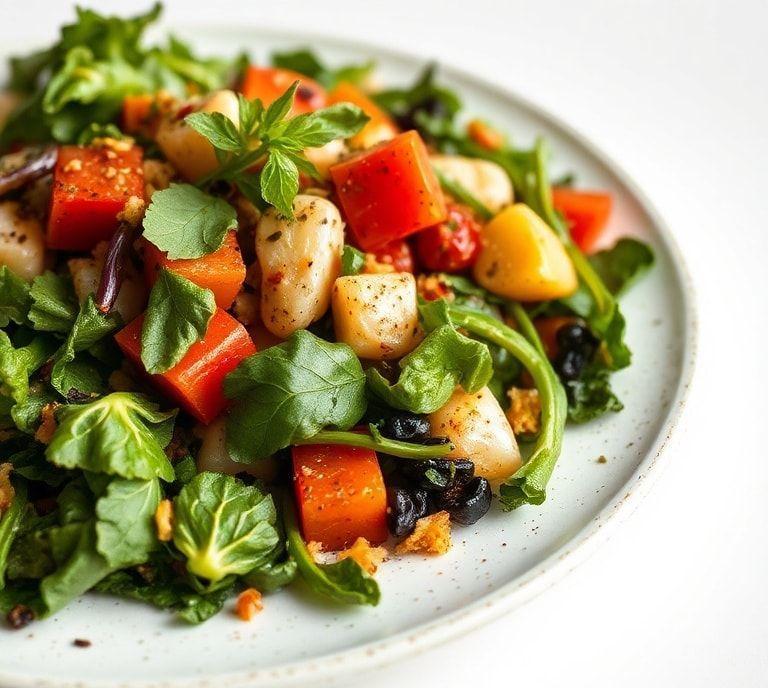
Now, let’s dive into a stunning Ottolenghi vegetarian recipe that really brings together his love for Middle Eastern-inspired flavors with a fresh, contemporary twist: Roasted Cauliflower with Tahini and Pistachios. It’s rich, tangy, savory, and surprisingly satisfying-a perfect example of how Ottolenghi’s vegetarian creations make vegetables feel luxurious. There’s a delightful interplay between the roasted, caramelized cauliflower and the creamy tahini sauce, accented by the crunch of toasted pistachios. It’s a simple dish, but one that packs a punch with every bite.
Ingredients Needed
To make this, you’ll need the following ingredients-some familiar, some a bit more exotic, but all essential to creating that unique Ottolenghi experience:
- 1 medium cauliflower (broken into florets)
- 3 tablespoons olive oil
- Salt and black pepper (to taste)
- 1 teaspoon ground cumin
- 1 teaspoon ground coriander
- 1 teaspoon smoked paprika (for that smoky depth)
- 2 tablespoons tahini (the creaminess here is key)
- 1 tablespoon lemon juice (for acidity to balance the richness)
- 1 clove garlic, finely minced (because garlic makes everything better)
- 2 tablespoons water (for thinning the tahini sauce to the perfect consistency)
- 1/4 cup toasted pistachios, roughly chopped (the crunch factor)
- Fresh cilantro (for garnish and a burst of freshness)
Cooking Instructions
- Preheat the oven to 400°F (200°C). Line a baking sheet with parchment paper for easy cleanup.
- Prepare the cauliflower: Cut the cauliflower into florets of roughly equal size. Toss the florets in olive oil, cumin, coriander, smoked paprika, salt, and pepper. Ensure that each piece is evenly coated, then spread them out on the prepared baking sheet in a single layer. Roast for about 25-30 minutes, turning once halfway through, until the cauliflower is golden brown and crispy at the edges.
- Make the tahini sauce: While the cauliflower is roasting, mix the tahini, lemon juice, minced garlic, and water in a bowl. Stir until smooth and creamy. You can adjust the water to get your desired consistency. If you like it thinner, add a bit more water. If you want it extra creamy, keep it as is.
- Toast the pistachios: In a small pan over medium heat, toast the pistachios for 2-3 minutes, until they’re fragrant and lightly golden. Be careful not to burn them. Once done, roughly chop them.
- Assemble the dish: Once the cauliflower is roasted, transfer it to a platter. Drizzle the tahini sauce over the cauliflower, sprinkle with the toasted pistachios, and garnish with fresh cilantro.
- Serve: You can enjoy this dish hot, warm, or even at room temperature. It’s a perfect side or a light main for a dinner that needs a touch of elegance.
Ingredient Science Spotlight
Let’s take a moment to explore the science behind a few key ingredients in this dish, and why they work so well together:
- Cauliflower: This humble vegetable undergoes a complete transformation when roasted. The high heat caramelizes its natural sugars, turning the florets tender on the inside while crisping up the outer edges. It’s a beautiful contrast of textures-soft and crispy-which is what makes it so appealing.
- Tahini: Made from ground sesame seeds, tahini is the secret to adding richness to a dish without using heavy cream or butter. It has a nutty flavor with a smooth, slightly bitter edge that contrasts perfectly with the tangy lemon juice. It’s not just a creamy topping-it adds depth and complexity.
- Pistachios: These are more than just a garnish-they offer a delightful crunch and a mild, slightly sweet flavor that cuts through the richness of the tahini. Toasting them before adding them to the dish enhances their nutty aroma and flavor, bringing out their natural oils and making them a perfect complement to the cauliflower.
Expert Tips
- Roast the cauliflower at high heat: This ensures the florets caramelize and get those beautiful crispy bits, which are the best part. If you’re not getting enough color, you can always broil the cauliflower for the last 5 minutes.
- Use fresh lemon juice: The acidity from lemon adds balance to the creamy tahini. Don’t use bottled lemon juice; fresh will elevate the dish significantly.
- Adjust the tahini sauce consistency: Depending on how you like your sauce, you can make it thicker or thinner. Some people prefer it more like a paste, while others like it more pourable, so feel free to play around.
- Experiment with different nuts: While pistachios are the star here, you can try using walnuts or almonds for a different twist. Just be sure to toast them for extra flavor.
- Add more vegetables: This dish is versatile. You can roast a mix of veggies like sweet potatoes, carrots, or zucchini alongside the cauliflower to make it more hearty and colorful.
Recipe Variations
This recipe has so much room for variation. Here are a few ideas:
- Spicy Kick: If you want to turn up the heat, add a dash of cayenne pepper or chili flakes to the tahini sauce or the cauliflower seasoning.
- Add Feta or Halloumi: For those who aren’t strictly vegetarian or want to introduce a salty, briny element, crumbled feta or grilled halloumi can be a wonderful addition.
- Herb Variations: While cilantro is a fresh garnish here, you could swap it with parsley or mint, depending on what flavor profile you’re after. Fresh herbs always add a burst of flavor and freshness.
- Roasted Garlic: Instead of using raw garlic in the tahini sauce, roast the garlic along with the cauliflower for a milder, sweeter garlic flavor.
Final Words
What makes this dish so fantastic is its balance. You’ve got the richness of the tahini, the earthiness of the roasted cauliflower, the crunch of the pistachios, and the brightness of the cilantro. It’s the kind of dish you could serve at a dinner party, but also the kind of dish you could throw together for yourself on a cozy evening in.
Ottolenghi’s style is all about layers-layering flavors, textures, and even cultures. What makes his vegetarian recipes truly special is that they’re never boring. They challenge the typical understanding of what vegetarian food can be. With just a handful of ingredients, you’re transported into a culinary journey that’s as satisfying as it is surprising.
FAQs
What Makes Ottolenghi’s Vegetarian Recipes Unique?
Ottolenghi’s vegetarian recipes are known for their vibrant flavors, bold use of spices, and creative combinations of ingredients. His dishes often feature a balance of textures, from crispy to tender, and incorporate a wide range of fresh vegetables, grains, and legumes. Ottolenghi also frequently uses Mediterranean and Middle Eastern ingredients like tahini, pomegranate, sumac, and za’atar, which enhance the complexity and depth of flavor in vegetarian dishes.
Are Ottolenghi’s Vegetarian Recipes Suitable For Beginners?
While some of Ottolenghi’s vegetarian recipes may seem intricate due to the number of components or unfamiliar ingredients, many are accessible to beginner cooks who are comfortable following detailed instructions. His recipes often involve simple cooking techniques like roasting, sautéing, or simmering, and can be easily adapted depending on your skill level. The key is to embrace the flavor pairings and experiment with ingredients you may not be familiar with.
Can Ottolenghi’s Vegetarian Recipes Be Made In Advance?
Yes, many of Ottolenghi’s vegetarian recipes can be made in advance. Dishes like grain salads, stews, and roasted vegetables often taste even better after the flavors have had time to meld. For best results, store prepared dishes in airtight containers in the refrigerator. However, some components, like fresh herbs or crunchy toppings, may be better added just before serving to maintain their texture and freshness.