There’s something truly magical about the flavors of Thai cuisine. The balance between salty, sweet, sour, and spicy dances on the taste buds in a way few dishes can replicate. One of the most iconic and universally adored dishes from Thailand is Pad Thai. It’s a dish that seems to have found its way into the hearts and kitchens of people around the world, a fusion of flavors that feel both familiar and exotic at the same time. But what happens when you take out the meat and make it vegetarian? The result is a vibrant, fresh take on a beloved classic that’s just as satisfying as the original.
As someone who’s always been drawn to the creativity of vegetarian cooking, I love how simple swaps can breathe new life into dishes. It’s all about bringing the same depth of flavor without losing the soul of the dish. A vegetarian Pad Thai isn’t just a healthy alternative-it’s a celebration of everything that makes Thai food so irresistible: fresh vegetables, aromatic herbs, and a killer sauce that ties everything together. In this post, we’ll walk through an authentic vegetarian Pad Thai recipe that doesn’t compromise on flavor. I’ll share a bit of history, dive into some science behind the ingredients, and offer tips to help you perfect this dish every time.
Vegetarian Pad Thai Authentic Recipe
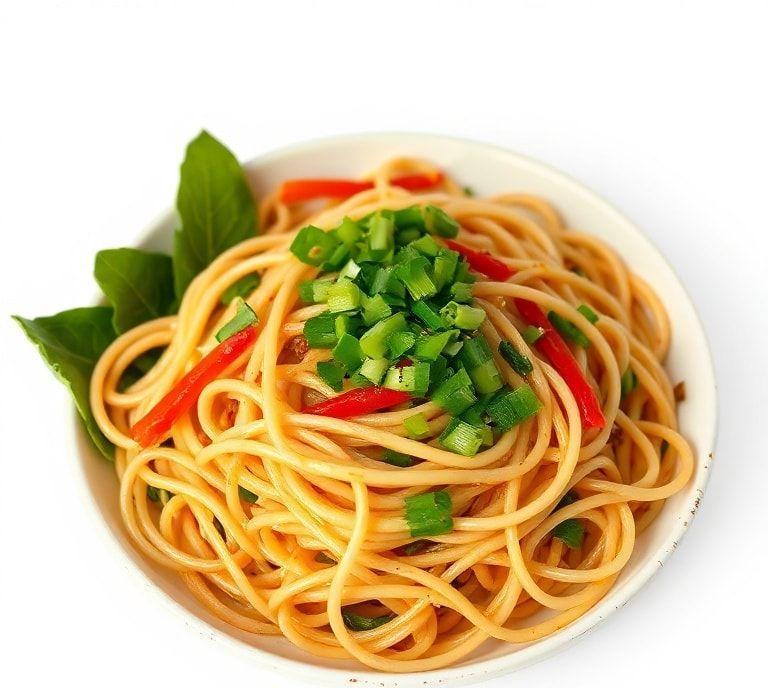
Pad Thai is one of those dishes that was born out of necessity but has since become a culinary masterpiece. It originated in Thailand during World War II when rice noodles were in short supply, and the government encouraged people to use more rice. But in a twist of fate, this practical dish turned into a national treasure. In its vegetarian form, you get all the flavors and textures without the need for any animal products.
Here’s my take on an authentic vegetarian Pad Thai:
Ingredients Needed
- Rice Noodles (8 oz): These are the foundation of the dish, soft yet chewy, and they absorb the sauce beautifully.
- Tofu (200g): Firm tofu works best here. It gets crispy on the outside while staying tender on the inside when pan-fried.
- Eggs (2, optional): If you’re not vegan, eggs add richness and a satisfying texture. Skip them for a vegan version.
- Garlic (3 cloves, minced): A must-have for that savory aroma that forms the base of so many Thai dishes.
- Shallots (2, thinly sliced): Sweet and delicate, they provide a subtle onion flavor.
- Peanuts (1/4 cup, crushed): For crunch and a rich, nutty flavor that balances the sauce.
- Sprouts (1 cup): Fresh bean sprouts add a nice crunch and a refreshing contrast to the richness of the noodles.
- Lime (1, cut into wedges): The acidity from the lime brightens the dish and is a classic touch.
- Green Onions (2, chopped): For garnish and a bit of fresh, sharp flavor.
- Cilantro (a handful, chopped): Fresh cilantro brings a burst of freshness to the dish.
For The Sauce
- Tamarind Paste (2 tbsp): This provides the essential tangy, sour note that is the hallmark of Pad Thai’s flavor profile.
- Soy Sauce (2 tbsp): For saltiness and umami.
- Palm Sugar (1 tbsp, or brown sugar if unavailable): This adds sweetness to balance out the sour and salty elements.
- Rice Vinegar (1 tbsp): A little extra acidity to round out the flavors.
- Chili Paste or Fresh Chilis (1-2, depending on how spicy you like it): A bit of heat to awaken the senses.
Cooking Instructions
- Prepare the noodles: Start by soaking your rice noodles in warm water according to the package instructions (usually around 20-30 minutes). You want them soft but not mushy. Drain and set aside.
- Make the sauce: In a small bowl, mix together the tamarind paste, soy sauce, palm sugar, rice vinegar, and chili paste or fresh chilis. Stir until the sugar dissolves and the sauce is smooth.
- Prepare the tofu: Press your tofu to remove excess moisture. Cut it into cubes and heat a pan over medium heat with a little oil. Fry the tofu until golden and crispy on all sides, about 5-7 minutes. Remove from the pan and set aside.
- Cook the shallots and garlic: In the same pan, add a bit more oil and sauté the minced garlic and shallots until fragrant, about 2 minutes.
- Combine: Push the garlic and shallots to one side of the pan, and if using eggs, crack them into the pan and scramble them. Once cooked, add the drained noodles and pour in the sauce. Toss everything together until the noodles are coated evenly.
- Add the tofu: Gently fold in the crispy tofu cubes, then add the sprouts, green onions, and a handful of cilantro.
- Serve: Divide the Pad Thai into bowls and garnish with crushed peanuts, lime wedges, and a sprinkle of fresh cilantro.
Ingredient Science Spotlight
If you’ve ever wondered about the magic behind some of the ingredients in Pad Thai, let’s take a quick dive into what makes them so essential. Tamarind paste is one of those ingredients that gives Pad Thai its signature tartness. Tamarind is actually a fruit that grows in pods, and its tangy pulp is packed with antioxidants and a unique umami flavor. It’s what gives the dish that rich, sour depth.
Soy sauce is another key player. The saltiness and umami in soy sauce balance out the sweetness of the palm sugar, creating that perfectly harmonious flavor profile. But did you know that soy sauce can have over 300 different compounds that contribute to its complexity? It’s what makes it so much more than just a salty liquid!
Rice noodles have their own kind of magic. When cooked properly, they provide that perfect chewy texture that’s neither too soft nor too tough. The rice flour they’re made from gives them a subtle flavor that lets the sauce and toppings shine without competing with them.
Expert Tips
- Prep everything ahead of time: Pad Thai comes together quickly, so having everything ready to go will make the process smoother and less stressful. I like to have all my veggies chopped, tofu pressed, and sauce mixed before I start cooking.
- Customize the heat: If you’re not a fan of too much spice, you can easily adjust the amount of chili paste or fresh chili in the sauce. I always recommend starting with a small amount and tasting as you go.
- Crispy tofu makes all the difference: Don’t skip the step of frying the tofu until it’s crispy! This gives it a golden exterior while keeping the inside soft and chewy. It’s a texture contrast that really elevates the dish.
- Use fresh lime and peanuts for garnish: The fresh lime juice adds an essential bright, zesty finish to the dish, and the crushed peanuts provide an amazing crunch that completes the texture.
- Play with texture: You can add other vegetables, such as bell peppers, carrots, or even zucchini, to bring more texture and flavor to the dish.
Recipe Variations
Pad Thai is versatile, and while this recipe is vegetarian, there are plenty of ways to adapt it based on what you like or what’s in your fridge. Here are a few variations to try:
- Vegan Pad Thai: Simply leave out the eggs and replace the fish sauce (often used in traditional Pad Thai) with extra soy sauce or a vegan fish sauce alternative. You can also try adding mushrooms for extra umami flavor.
- Peanut Pad Thai: If you love peanut butter, mix a couple of tablespoons of creamy peanut butter into the sauce for a richer, nutty flavor. You can skip the crushed peanuts as garnish or use them for an extra punch.
- Thai Basil Pad Thai: Add fresh Thai basil for an aromatic twist. The slightly spicy, anise-like flavor of the basil adds a whole new layer to the dish.
Final Words
Vegetarian Pad Thai is a perfect way to enjoy the essence of Thai cooking while keeping it plant-based. The balance of sweet, sour, salty, and spicy is the heart of what makes Pad Thai such a beloved dish, and with the right ingredients, you can easily recreate that balance without the meat. Whether you’re a long-time fan of Pad Thai or trying it for the first time, this recipe is sure to hit all the right notes. Plus, it’s versatile enough that you can customize it to your taste.
FAQs
What Are The Essential Ingredients For An Authentic Vegetarian Pad Thai?
An authentic vegetarian Pad Thai typically includes rice noodles, tofu, eggs (optional for lacto-ovo vegetarians), bean sprouts, garlic, shallots, green onions, and crushed peanuts. The sauce is made from tamarind paste, soy sauce, palm sugar, and lime juice. Optional additions include dried chili flakes and fresh cilantro. The key to authenticity is balancing sweet, sour, salty, and slightly spicy flavors while keeping the ingredients fresh and stir-fried quickly at high heat.
How Can I Make A Vegetarian Pad Thai That Still Tastes Authentic Without Fish Sauce?
To maintain authentic flavor without using fish sauce, you can substitute it with a combination of soy sauce, tamari, and a small amount of seaweed or mushroom broth to replicate the umami depth. Some recipes use fermented soybean paste or vegan fish sauce alternatives available in specialty stores. Adjust the balance of sweetness and acidity with palm sugar and lime juice to mimic the traditional flavor profile.
What Is The Proper Technique To Achieve The Best Texture In Vegetarian Pad Thai Noodles?
For optimal texture, soak rice noodles in warm water until they are flexible but still slightly firm, then drain them well before stir-frying. Cook the noodles over high heat to prevent them from sticking together. Tossing the noodles with the sauce and ingredients quickly ensures they absorb the flavors without becoming mushy. Adding bean sprouts and green onions at the very end keeps a fresh, crisp contrast to the soft noodles.