I have always believed that food is more than just nourishment-it’s an experience. The rhythm of chopping vegetables, the scent of herbs simmering in a pot, the slow transformation of raw ingredients into something soul-warming, it’s all part of the magic. Pasta Fagioli, an Italian classic, has always held a special place in my heart. I remember the first time I tasted it-sitting around a rustic wooden table in a small, sun-dappled kitchen in the hills of Tuscany. The soup was a humble dish, yet it had a richness of flavor that was surprising. It’s a simple combination of pasta, beans, and vegetables, but when done right, it sings with comforting, hearty flavors.
But what if we could make it even more comforting? What if we could transform it into something that caters to all kinds of diets, while still holding onto the essence of what makes this dish so special? Enter the vegetarian Pasta Fagioli-no meat, just pure vegetable goodness and the same soul-satisfying results.
If you’re anything like me, the idea of creating a dish that brings warmth to both your body and spirit is enticing. Let’s dive into this vegetarian twist on a classic.
Vegetarian Pasta Fagioli Recipe
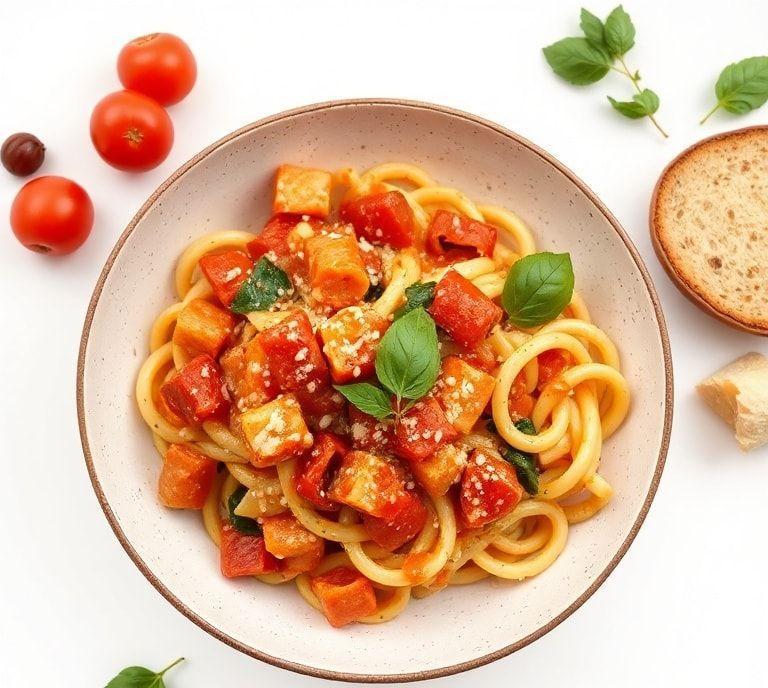
This vegetarian version of Pasta Fagioli is an ode to simplicity and flavor. It’s the kind of recipe that feels homey and inviting, and yet, doesn’t require hours of preparation or a complicated ingredient list. It’s a beautiful balance of wholesome, fresh vegetables and the magic of beans, with that perfect bite from the pasta. Every spoonful of this dish is rich, filling, and satisfying-perfect for a chilly evening or when you’re craving a bowl of something comforting.
Ingredients Needed
To make this recipe, you’ll need a few key ingredients. Nothing too obscure, just wholesome, fresh ingredients that come together in the most delicious way.
- Olive oil (about 2 tablespoons): A good olive oil will bring a fruity, slightly peppery flavor that enhances the overall taste of the dish.
- Onion (1 medium, diced): Onion is the base for so many dishes, and in Pasta Fagioli, it gives the soup its savory foundation.
- Carrots (2, peeled and chopped): Carrots add a subtle sweetness to the soup that balances out the savory flavors.
- Celery (2 stalks, chopped): The celery brings a nice crunch and earthy flavor that complements the other veggies.
- Garlic (4 cloves, minced): Garlic is the heartbeat of Italian cooking, adding aromatic depth and complexity.
- Canned diced tomatoes (1 can, 14.5 ounces): Tomatoes bring a bit of acidity, balancing the richness of the beans and pasta.
- Cannellini beans (2 cans, drained and rinsed): These beans are creamy and mild, the perfect base for the soup.
- Vegetable broth (4 cups): A good, flavorful vegetable broth will add layers of depth to the soup without overwhelming the other flavors.
- Pasta (3/4 cup of small pasta like ditalini or elbow): The pasta soaks up the broth and becomes tender, making each spoonful a delight.
- Fresh thyme (1 teaspoon): Fresh herbs add a light, herbal note that’s fresh and fragrant.
- Bay leaves (2): Bay leaves are essential for their subtle, earthy fragrance and depth.
- Salt and pepper (to taste): Always important to bring the flavors together with just the right seasoning.
- Parmesan cheese (optional, for garnish): If you’re not strictly vegan, a little grated Parmesan adds richness and tang to finish.
Cooking Instructions
The process of making this vegetarian Pasta Fagioli is as much about the rhythm of cooking as it is about the flavors that develop as you go along. Follow these steps, and you’ll have a comforting bowl of soup in no time:
- Prep the vegetables: Start by chopping the onion, carrots, celery, and garlic. You want all your ingredients ready to go before you start cooking, so the process flows smoothly.
- Sauté the aromatics: Heat the olive oil in a large pot over medium heat. Add the diced onions and cook them for about 5 minutes, until they’re translucent. Then, toss in the garlic, carrots, and celery. Let them cook for another 5-7 minutes, stirring occasionally, until the vegetables are softened.
- Add the tomatoes and beans: Stir in the canned diced tomatoes, and cook for another 2-3 minutes to allow the tomatoes to release their juices. Add the cannellini beans next, and give everything a good stir.
- Add the broth: Pour in the vegetable broth and bring the mixture to a simmer. This is where the magic starts to happen as the flavors meld together.
- Add pasta and herbs: Once the soup is simmering, stir in your pasta, fresh thyme, and bay leaves. Let everything simmer for 10-15 minutes, or until the pasta is tender. Stir occasionally, and make sure the soup doesn’t get too thick. If it does, you can always add more broth or water to reach your desired consistency.
- Season: Taste the soup and season with salt and pepper to your liking. The flavors should be well-balanced, with the sweet undertones of the vegetables, the creaminess of the beans, and the warmth of the herbs.
- Serve and garnish: Ladle the soup into bowls and, if you like, sprinkle a bit of grated Parmesan cheese on top for that final touch of umami richness. You can also drizzle a little extra virgin olive oil over the top for a silky finish.
Ingredient Science Spotlight
When it comes to cooking, understanding the science behind ingredients can really enhance the dish. Take the beans, for example. Cannellini beans are mild, creamy, and hearty-ideal for a dish like this where the goal is to have a smooth, comforting texture. The starch from the beans naturally thickens the broth, creating that velvety consistency that makes Pasta Fagioli so satisfying.
Then there’s the pasta. When cooking pasta directly in the soup, it absorbs the flavors of the broth and becomes part of the overall texture of the dish. The type of pasta you choose is crucial; something small like ditalini or elbow works well because it fits perfectly in the spoonfuls and absorbs just enough broth to be tender but not mushy.
And, of course, the herbs-fresh thyme, bay leaves-are a reminder that Italian cooking often uses simple, fresh ingredients to elevate a dish. It’s not just about adding flavor; it’s about creating depth. The thyme’s delicate floral note and the bay leaves’ subtle woodsy flavor infuse the soup as it simmers, giving it complexity without overwhelming the other ingredients.
Expert Tips
- Don’t overcook the pasta: Pasta continues to absorb liquid even after it’s off the heat, so keep an eye on it. The pasta should be al dente when you remove the soup from the stove, not soft and mushy.
- Make it ahead: This soup actually tastes better the next day as the flavors continue to meld. If you’re meal prepping, make a big batch and store it in the fridge for a few days.
- Add greens: For extra nutrition and color, throw in some spinach or kale about 5 minutes before the soup is done. It’ll wilt beautifully and add a nice texture.
- Boost the umami: If you like a bit more depth, consider adding a splash of balsamic vinegar or a spoonful of nutritional yeast for a savory, cheesy flavor without the dairy.
- Season at the end: Always taste the soup before serving and adjust the seasoning as needed. The salt, pepper, and any extra herbs should be added last to ensure the perfect balance.
Recipe Variations
Pasta Fagioli is versatile. Here are some variations you might want to try:
- Swap the beans: Try using kidney beans, chickpeas, or even black beans for a different twist.
- Add greens: Throw in some fresh spinach, kale, or swiss chard in the last few minutes of cooking.
- Vegan version: Skip the Parmesan cheese and opt for a drizzle of olive oil or a sprinkle of nutritional yeast for a vegan-friendly finish.
- Spicy kick: If you like heat, add a pinch of red pepper flakes or a chopped chili pepper when sautéing the vegetables.
Final Words
This vegetarian Pasta Fagioli is more than just a dish-it’s an experience. It’s a reminder that some of the most delicious meals come from the simplest ingredients. The flavors meld together in such a way that you can’t help but savor each spoonful. Whether you’re feeding a crowd or enjoying a quiet night at home, this soup will wrap you in warmth and comfort, a perfect reflection of the beauty of Italian cuisine.
FAQs
What Ingredients Are Needed For A Vegetarian Pasta Fagioli Recipe?
A vegetarian pasta fagioli recipe typically requires the following ingredients: cannellini beans (or other white beans), vegetable broth, diced tomatoes, carrots, celery, onions, garlic, dried or fresh herbs (such as rosemary, thyme, and bay leaves), pasta (often small shapes like ditalini or elbow macaroni), olive oil, salt, and pepper. Some variations might include greens like spinach or kale, and you can add optional seasonings like red pepper flakes for a bit of heat.
Can I Make A Vegan Version Of Pasta Fagioli?
Yes, you can easily make a vegan version of pasta fagioli by substituting vegetable broth for any meat-based stock and omitting any dairy products such as cheese. To add richness, you can drizzle a little extra virgin olive oil over the soup when serving or stir in nutritional yeast for a cheesy flavor without dairy.
How Do I Store And Reheat Vegetarian Pasta Fagioli Leftovers?
Vegetarian pasta fagioli can be stored in an airtight container in the refrigerator for up to 3-4 days. When reheating, it’s best to add a small amount of extra vegetable broth or water, as the pasta may absorb some of the liquid while sitting. You can reheat the soup on the stovetop over medium heat or in the microwave. If you’re storing the soup for a longer period, consider freezing it without the pasta and cooking the pasta separately when reheating to prevent it from becoming too mushy.