There’s something magical about comfort food, especially when it’s a dish that reminds you of simpler times-whether that’s childhood, a family gathering, or even a quiet afternoon when you just need something soothing. For me, one of the dishes that instantly brings back memories of being in my grandmother’s kitchen is vegetarian pastina. It’s a dish that doesn’t need much to impress, yet it holds a quiet, enduring power. Pastina is essentially tiny pasta, but the way it melts into a broth or a creamy base turns it into something more-a bowl of warmth that feels like a hug.
This vegetarian pastina recipe is perfect for those days when you want something light but comforting. It’s not heavy, not complicated, but it’s full of flavor and love. And the best part? It’s super versatile, making it easy to tailor to your own tastes and dietary preferences. I’ve always found that some of the simplest recipes are the ones that end up being the most memorable. This one’s no exception.
Vegetarian Pastina Recipe
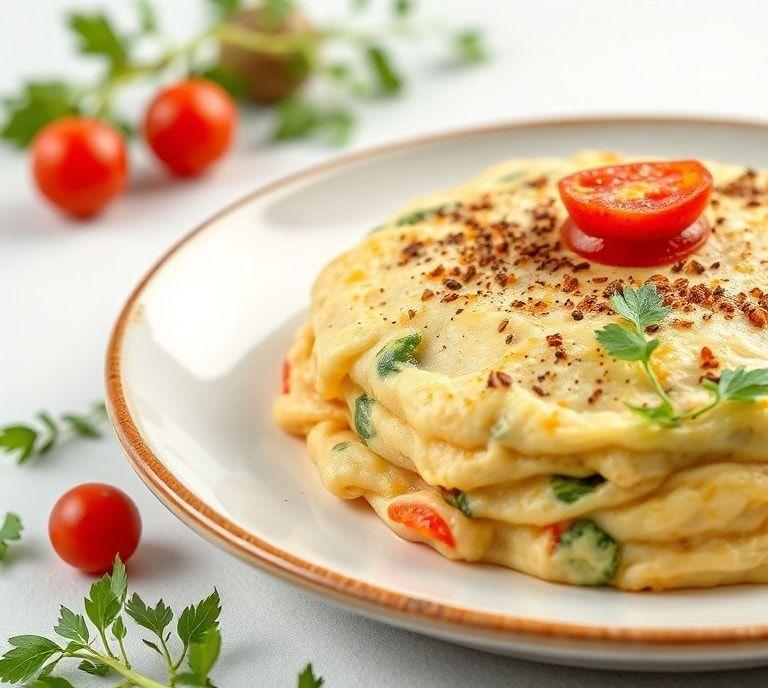
Let’s get right into it. This isn’t a dish that requires a long list of ingredients or hours of cooking. But there’s a certain comfort in knowing that something so simple can still feel like a meal that has heart. Whether you’re serving this to kids, or you’re craving something light after a long day, this vegetarian pastina will hit the spot.
Ingredients Needed
Here’s the beauty of pastina: you don’t need a lot of fancy ingredients to make it shine. Most of these items are probably already in your pantry, making this recipe a great go-to when you’re low on time or energy but still want a satisfying meal.
- 1 cup of pastina: These tiny pasta stars (or dots) cook quickly and absorb flavors easily, making them ideal for a light soup or creamy dish.
- 4 cups vegetable broth: This is your flavor base, so choose one that’s rich and flavorful. You can even make your own broth, but store-bought will do just fine if you’re in a pinch.
- 1 tablespoon olive oil: A good-quality olive oil gives the dish richness without overwhelming it. It also helps bring out the flavor in the broth and pasta.
- 1 garlic clove (minced): Garlic adds an aromatic depth. Just one clove, finely chopped, can make a world of difference in terms of flavor.
- 1 small carrot (diced): Carrot adds a bit of natural sweetness and color, which is always a plus in a dish that’s mostly golden and clear.
- 1 small zucchini (diced): Zucchini is mild but adds texture and a gentle freshness to balance out the broth’s warmth.
- Salt and pepper to taste: Always season with care. A pinch of salt will elevate the flavors, while black pepper gives it a nice kick.
- Fresh herbs (optional): Fresh basil, thyme, or parsley can be added for a burst of freshness at the end of cooking.
Cooking Instructions
- Heat the olive oil in a medium-sized pot over medium heat. When it shimmers, toss in the minced garlic. Sauté it for about 30 seconds, just enough to release its fragrance. Don’t let it burn-garlic can go from aromatic to bitter in a flash.
- Add the carrots and zucchini, and cook for about 3-4 minutes, stirring occasionally. You want them softened but not mushy. The veggies should retain a little bite, adding texture to the dish.
- Pour in the vegetable broth, then bring the whole mixture to a gentle simmer. This is where the flavor base comes to life. Let it simmer for about 10 minutes to let all the ingredients meld together.
- Add the pastina, and stir it in. Cook for about 5-7 minutes, until the pastina is tender and the broth has thickened slightly. If it gets too thick, feel free to add a splash more broth or water to loosen it up.
- Season with salt and pepper to taste. A quick taste test here is always helpful-depending on the broth you used, you might need a little extra seasoning.
- Once it’s ready, serve hot, garnished with your choice of fresh herbs. I personally like a little basil or parsley to add color and an extra hit of fresh flavor.
Ingredient Science Spotlight
Let’s talk a little bit about the ingredients we’re working with, specifically why pastina is so well-suited for this dish. Pastina is made from durum wheat semolina, the same kind of wheat used to make pasta. But unlike spaghetti or penne, pastina is small-often the size of a pinhead. This means it cooks quickly, and it’s excellent at soaking up any broth or sauce it’s paired with. The small size also means that it works well in light broths, where larger pasta might be overkill.
When you pair pastina with vegetables like zucchini and carrots, you add a perfect balance of flavor and texture. Carrots, rich in beta-carotene, lend a slight sweetness to the dish, while zucchini brings a refreshing touch. The broth, on the other hand, is the heart of the dish. Whether it’s homemade or store-bought, it imparts that warm, savory element that makes every spoonful feel like a cozy embrace.
Expert Tips
- Adjust the consistency: If you like a heartier soup, feel free to add a bit more pastina. If you prefer something closer to a brothy soup, reduce the amount of pasta or add more broth. It’s totally customizable.
- Substitute with other veggies: Don’t have zucchini? You can use spinach, kale, or even frozen peas. The beauty of pastina lies in how adaptable it is to whatever veggies you’ve got lying around.
- Flavor boosters: If you want to take this dish to the next level, consider adding a squeeze of lemon juice or a bit of nutritional yeast for a cheesy flavor. A sprinkle of Parmesan at the end is also a great addition if you’re not strictly vegan.
- Make it creamy: If you love a creamier texture, stir in a little bit of coconut milk or a dollop of Greek yogurt right before serving. It’ll thicken the broth and add a touch of richness without overpowering the delicate flavors.
Recipe Variations
- Lemon-Garlic Pastina: Add the zest of one lemon and a little extra garlic to the broth for a more refreshing, zesty flavor. The lemon gives the dish an unexpected but delightful lift, especially if you serve it as a side dish with grilled vegetables.
- Tomato-based Pastina: Swap the vegetable broth for tomato soup or crushed tomatoes. You’ll get a richer, more savory base with the tang of the tomatoes, which pairs beautifully with the sweetness of the carrot and the earthiness of zucchini.
- Spicy Pastina: Add a pinch of red pepper flakes when you sauté the garlic for a little heat. This variation gives the dish a kick that plays well with the otherwise mild flavors.
Final Words
I have to say, there’s something about a humble dish like vegetarian pastina that just feels… right. It doesn’t demand attention, yet it brings you back to basics, grounding you in the simplest of pleasures. There’s no rush when you make it; you’re just stirring and simmering, letting the flavors bloom at their own pace. It’s a dish I turn to when I need comfort, but also when I need something that’s easy to make but full of heart. If you’ve never made pastina before, I think you’ll be surprised by how quickly it becomes one of your go-to recipes.
FAQs
What Is Vegetarian Pastina?
Vegetarian pastina is a simple and comforting Italian dish made with small pasta, typically called pastina, cooked in a vegetable-based broth or with butter and cheese. It is a vegetarian version, meaning it does not contain meat or animal-based ingredients like chicken broth. It is often used as a light meal or as a base for adding various vegetables, herbs, or cheese for flavor.
Can I Make Vegetarian Pastina Without Cheese Or Butter?
Yes, you can make vegetarian pastina without cheese or butter. For a dairy-free version, you can cook the pastina in a vegetable broth or water and then drizzle olive oil for richness. You may also add sautéed vegetables, such as spinach, tomatoes, or mushrooms, to enhance the flavor. Nutritional yeast can be used as a cheese substitute if desired.
How Long Does It Take To Cook Vegetarian Pastina?
Vegetarian pastina cooks quite quickly, usually within 5 to 7 minutes. Since pastina refers to very small pasta shapes, it only requires a short time to soften. The cooking time may vary slightly depending on the specific brand of pasta, so it’s best to check the package instructions for the most accurate cooking time.