Have you ever had a craving for something classic but couldn’t quite find the right twist? There’s something almost nostalgic about pastrami-a deli classic, usually stacked high on rye, with layers of smoky, spiced meat that makes every bite a little celebration. But here’s the thing: I’ve always felt that pastrami could use a little more flexibility, especially for those of us who prefer to skip the meat but don’t want to miss out on those bold, savory flavors.
So, I got to thinking: why not create a vegetarian pastrami that holds all of the rich, spicy, smoky goodness of the original but without the meat? I’ve tried several recipes, and with a little experimentation, I finally nailed a vegetarian version that has all the right textures, flavors, and a little extra heart. Whether you’re a long-time vegetarian, or just looking to switch things up, this recipe is your ticket to indulgence without compromise.
Vegetarian Pastrami Recipe
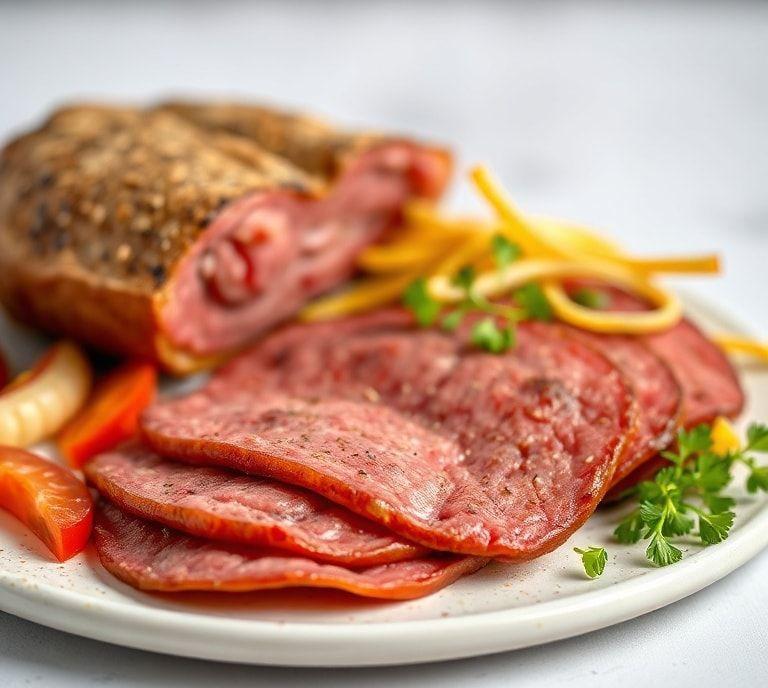
This vegetarian pastrami recipe is a game-changer. It’s meaty, smoky, and spicy-just like the deli classic. The trick here is using seitan (a protein-packed wheat gluten) as the base. Seitan has a remarkable ability to mimic the texture of meat when cooked just right, and it’s the perfect blank canvas for all those wonderful spices that make pastrami so delicious. If you’ve never worked with seitan before, don’t worry-it’s surprisingly simple, and the results will make you feel like a kitchen pro.
Ingredients Needed
For The Seitan
- 1 cup vital wheat gluten (this is the magic ingredient!)
- 2 tbsp nutritional yeast (adds that savory umami)
- 1 tbsp smoked paprika (this gives the pastrami that smoky depth)
- 1 tsp garlic powder
- 1 tsp onion powder
- 1/2 tsp black pepper
- 1/2 tsp ground coriander
- 1/2 tsp ground mustard
- 3/4 cup vegetable broth (I recommend low-sodium for better control of the salt)
- 2 tbsp soy sauce (or tamari for gluten-free)
- 1 tbsp olive oil
- 1 tsp liquid smoke (this will give you that signature pastrami flavor)
For The Pastrami Rub
- 2 tbsp black peppercorns (freshly cracked, if you can!)
- 1 tbsp coriander seeds (lightly toasted if you’re feeling fancy)
- 1 tsp smoked paprika
- 1/2 tsp ground mustard powder
- A pinch of sea salt (just enough to enhance the flavors, not overpower)
Cooking Instructions
-
Making The Seitan Dough
- In a large mixing bowl, combine the vital wheat gluten, nutritional yeast, smoked paprika, garlic powder, onion powder, black pepper, ground coriander, and ground mustard. Whisk everything together so it’s evenly distributed.
- In a separate bowl, whisk together the vegetable broth, soy sauce, olive oil, and liquid smoke.
- Pour the wet ingredients into the dry ingredients and stir to combine. The dough will come together quickly. Knead the dough in the bowl for about 3-4 minutes until it’s firm but pliable. It should be slightly elastic.
-
Shaping The Seitan
- Roll the dough into a log, about the size of a small loaf of bread. You want it to resemble the typical shape of pastrami. If the dough feels too sticky, lightly dust it with a bit more vital wheat gluten.
-
Simmering The Seitan
- Bring a large pot of water to a simmer. Add the seitan log, cover, and let it simmer for about 45 minutes. Keep the heat low, so the water is just bubbling gently. You want to cook the seitan slowly to give it that tender texture.
-
Prepping The Pastrami Rub
- While the seitan is simmering, combine all the rub ingredients in a mortar and pestle or a spice grinder. If you’re grinding by hand, just crush the peppercorns and coriander seeds until they’re a coarse powder.
- After 45 minutes, carefully remove the seitan from the pot and let it cool down slightly. Once it’s cool enough to handle, rub the spice mixture all over the seitan. Make sure you coat it generously; you want that flavor to really soak in.
-
Baking The Pastrami
- Preheat your oven to 375°F (190°C). Place the spiced seitan on a baking sheet and bake for 25 minutes, flipping halfway through to get an even crust. The result will be a beautifully crusted, deeply flavored “pastrami”.
-
Serving
- Slice thinly, like you would with traditional pastrami. The texture should be hearty and slightly chewy, with a smoky, peppery kick.
Ingredient Science Spotlight
The magic of this vegetarian pastrami lies in the humble vital wheat gluten. When combined with liquid and kneaded, it forms gluten strands that mimic the chewiness of meat. It’s a fantastic plant-based protein, with a texture that makes it perfect for dishes that usually rely on meat’s bite and elasticity. Nutritional yeast adds that savory, umami flavor that many of us crave in meaty dishes. Smoked paprika and liquid smoke? They provide the earthy, smoky essence that really brings the pastrami to life. Together, these ingredients create something far greater than the sum of their parts.
Expert Tips
- Don’t rush the kneading process: The more you knead the dough, the more the gluten develops, giving your seitan that meaty texture. Take your time with it-it’ll pay off in the end.
- Control the salt: The soy sauce and veggie broth provide salt, so adjust accordingly. If you’re sensitive to salt, go for low-sodium options and taste as you go.
- Storage: This pastrami keeps well in the fridge for up to a week, so feel free to make it ahead. It’s even better the next day once the flavors have had a chance to marinate.
Recipe Variations
- Spicy Pastrami: Add chili flakes to the rub for a fiery kick. You could even sneak a dash of cayenne into the seitan dough itself if you’re a fan of heat.
- Smoky Herb Twist: Try adding some dried thyme, rosemary, or sage to the spice rub for a more herbaceous flavor profile that still keeps that smoky, meaty vibe.
- Gluten-Free Option: For those avoiding gluten, a chickpea flour-based dough could be used, although the texture won’t be quite the same. It will still work in a pinch!
Final Words
Making vegetarian pastrami is a surprisingly easy and fun way to take a deli favorite and make it your own. Whether you’re serving it up on rye with a pile of coleslaw, or using it as a topping for a salad, it’s a recipe that’ll leave you feeling satisfied and a little more connected to the food you’re eating. It’s the kind of dish that sparks conversation, and before you know it, you’ll be proudly handing over the recipe to anyone who asks.
FAQs
What Ingredients Are Typically Used To Make Vegetarian Pastrami?
Vegetarian pastrami can be made from a variety of plant-based ingredients such as seitan (wheat gluten), tempeh, tofu, or even eggplant. The recipe usually includes a combination of spices like smoked paprika, black pepper, coriander, garlic powder, mustard seeds, and liquid smoke to mimic the traditional pastrami flavor. Marinades often include soy sauce or tamari, apple cider vinegar, and a touch of maple syrup or brown sugar to enhance the savory-sweet profile.
How Do You Cook Vegetarian Pastrami To Achieve The Classic Smoky Flavor?
To achieve the classic smoky pastrami flavor, vegetarian alternatives like seitan or tempeh are often first marinated in a spice and liquid mixture, then baked or steamed to firm up the texture. Afterward, they can be smoked, grilled, or roasted at a low temperature to infuse a smoky taste. Some recipes recommend brushing with liquid smoke or smoked paprika during cooking to enhance the aroma. Finally, thinly slicing the cooked pastrami and briefly pan-searing or steaming it can replicate the tenderness of traditional pastrami.
Can Vegetarian Pastrami Be Used In Traditional Pastrami Dishes?
Yes, vegetarian pastrami is versatile and can be used as a substitute in most traditional pastrami dishes. It works well in sandwiches, on bagels with mustard, in salads, or even as a topping for pizza. While the texture is slightly different from meat-based pastrami, a well-seasoned vegetarian version provides a similar smoky, savory, and slightly peppery flavor, making it suitable for both casual meals and more elaborate recipes.