Pastry has always had a way of making me feel at home, whether it’s the buttery layers of a flaky croissant or the warmth of a fresh fruit tart cooling on the counter. There’s something magical about the delicate process of transforming simple ingredients into a mouthwatering treat. But here’s the thing-there’s no reason you can’t enjoy all that with a vegetarian spin. This vegetarian pastry recipe is one of my favorites because it’s flexible, easy to prepare, and it can be tailored to suit almost any flavor profile you crave. It’s a little piece of comfort, whether you’re serving it at a brunch, packing it into a lunchbox, or just savoring it with a cup of tea on a quiet afternoon. Let’s dive into making this delicious, plant-based pastry.
Vegetarian Pastry Recipe
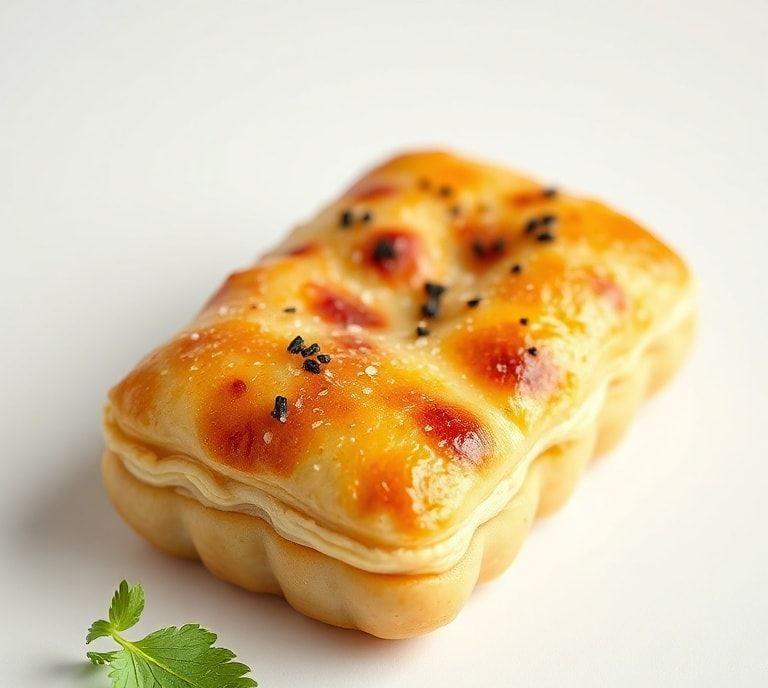
This recipe is all about the layers-the golden, flaky, melt-in-your-mouth layers. It’s an easy vegetarian pastry that can be made with ingredients you probably already have in your kitchen, and yet it’s special enough to make any occasion feel just a little more elegant. Whether you’re a beginner or an experienced home baker, the steps are simple, and the results are always impressive. Let’s break down how to make this perfect vegetarian pastry.
Ingredients Needed
- Puff pastry sheets: Store-bought puff pastry makes life a lot easier and still delivers that signature flakiness. If you’re feeling adventurous, you can make your own from scratch, but I’ll keep it simple here.
- Olive oil or butter: I love using olive oil for its rich, fruity flavor, but butter works just as well if you prefer the traditional taste.
- Spinach: Fresh spinach adds a lovely green pop and a mild, earthy flavor. You can also experiment with other greens like kale or chard.
- Feta cheese: Crumbled feta adds a salty, creamy bite that pairs beautifully with the spinach. If you’re looking for a vegan version, you can use plant-based feta or any non-dairy cheese of your choice.
- Garlic: A little garlic goes a long way in boosting the flavor. Sauté it lightly to release its sweetness before adding to the filling.
- Onion: Red or yellow onion-both bring a touch of sweetness and depth to the filling.
- Nutmeg: A pinch of nutmeg adds warmth and a subtle hint of spice, complementing the creamy filling.
- Salt and pepper: To taste. Freshly ground black pepper is best for that extra kick.
Cooking Instructions
- Prepare the Filling: Start by heating a little olive oil or butter in a large pan over medium heat. Add the onions and cook them until they’re soft and golden, about 5 minutes. Then, toss in the garlic and sauté for another minute until it’s fragrant-be careful not to burn it. Add the spinach to the pan, stirring it until it wilts down (it’ll shrink considerably). If there’s any excess moisture in the pan, let it cook off for a minute or two. Season with salt, pepper, and a pinch of nutmeg to bring out the flavors. Once done, remove the pan from the heat and let it cool slightly.
- Roll Out the Pastry: While your filling is cooling, lay out the puff pastry sheets on a lightly floured surface. If the pastry is frozen, give it a few minutes to thaw, but it should still be slightly chilled when you work with it. Roll it out just a bit to smooth out the creases. Using a sharp knife, cut the pastry into squares or rectangles-whatever shape you prefer.
- Assemble: Spoon the spinach filling onto the center of each pastry square. Then crumble a bit of feta cheese on top. Don’t overstuff them-aim for a nice balance of filling to pastry. Fold the corners of the pastry over the filling to form little pockets or triangles, depending on the shape you chose.
- Bake: Preheat your oven to 400°F (200°C) and bake the pastries for about 20-25 minutes, or until the pastry is golden and puffed up. Keep an eye on them towards the end; they can go from golden to too crispy in a flash.
Ingredient Science Spotlight
Let’s take a moment to talk about puff pastry, the star of the show. The magic of puff pastry lies in its layers. It’s made by folding dough over butter repeatedly, creating hundreds of thin layers. When the pastry bakes, the butter melts, creating steam that puffs up the dough, resulting in that flaky texture we all love. It’s the perfect vehicle for this vegetarian filling because it can hold a lot of moisture without getting soggy, and the richness of the buttery layers complements the freshness of the spinach and feta.
Then there’s the spinach. One of the cool things about spinach is how it reacts to heat. When you cook it, it releases a lot of moisture, but it also concentrates its flavor. That’s why it’s important to cook off any extra water before adding it to the pastry, or else you risk soggy pastries. The nutmeg, though it seems subtle, really elevates the dish by adding warmth and balance to the earthy spinach.
Expert Tips
- Chill the Pastry: If you’re working with store-bought puff pastry, it’s essential to keep it chilled. The colder the pastry, the flakier it will become when baked. If the dough starts getting too soft or sticky, pop it in the fridge for 10-15 minutes.
- Make-Ahead Option: If you’re prepping for a busy day, you can assemble the pastries the night before and keep them in the fridge. That way, all you need to do is pop them in the oven when you’re ready to bake.
- Try Different Fillings: This recipe is versatile. If you’re not a fan of spinach, try mushrooms, roasted peppers, or even artichokes. You can also add herbs like thyme or basil to change up the flavor profile.
- Egg Wash: If you want your pastries to have a gorgeous golden sheen, brush the tops with an egg wash before baking (just mix one egg with a tablespoon of water and brush it on). This step is optional, but it gives them that bakery-style finish.
Recipe Variations
- Mushroom & Goat Cheese Pastry: Swap the spinach for sautéed mushrooms and use tangy goat cheese in place of feta. The earthy mushrooms and creamy goat cheese create a decadent filling that’s perfect for any mushroom lover.
- Tomato & Pesto: For a Mediterranean-inspired pastry, swap the spinach for roasted tomatoes and spread a little basil pesto inside before folding up the pastry. The pesto adds an herby richness that’s irresistible.
- Sweet Potato & Black Bean: For a heartier, more filling version, try roasting sweet potato cubes and mixing them with black beans, cumin, and chili powder. This gives you a savory, slightly spiced filling with a satisfying texture.
Final Words
What I love about this vegetarian pastry recipe is how adaptable it is. It’s a base that you can experiment with, depending on the season, your cravings, or what’s in your fridge. Plus, it’s one of those dishes that always looks more complicated than it is-impressive but simple. The combination of crispy, buttery pastry with a savory filling is a surefire way to make any meal feel special.
FAQs
What Are Some Common Ingredients In A Vegetarian Pastry Recipe?
Vegetarian pastry recipes typically include a variety of plant-based ingredients such as flour, butter or margarine, non-dairy milk (such as almond or oat milk), vegetables (like spinach, mushrooms, or bell peppers), cheese (optional or dairy-free versions), and herbs and spices for flavoring. Some recipes may also use eggs, depending on whether they are strictly plant-based or ovo-vegetarian.
Can I Make A Vegetarian Pastry Without Using Butter?
Yes, you can make vegetarian pastries without butter. There are several alternatives, including using plant-based butters, vegetable oils, or even coconut oil as substitutes. For a flakier texture, some recipes recommend using cold vegetable shortening or a blend of non-dairy fats, which help achieve the desired consistency and richness.
How Can I Make A Vegetarian Pastry Recipe Vegan-friendly?
To make a vegetarian pastry recipe vegan-friendly, replace any animal-based ingredients with plant-based alternatives. Use dairy-free butter or margarine in place of regular butter, non-dairy milk (like almond, soy, or oat milk) instead of cow’s milk, and plant-based cheese or simply omit cheese. For recipes that call for eggs, you can substitute with flax eggs, chia eggs, or other egg replacements such as silken tofu or aquafaba (the liquid from canned chickpeas).