I’ve always been a fan of creating recipes that feel like a hug in a bite. One of those recipes that’s both comforting and satisfying is the humble vegetarian patty. Whether you’re a die-hard vegetarian or someone looking to diversify your meals, this recipe has that perfect balance of flavors and textures. A great veggie patty isn’t just for holding together a bun-it’s a powerhouse of nutrition and flavor, made with simple, wholesome ingredients that, when combined correctly, create a mouthwatering experience.
When I first started making veggie patties, I tried a lot of different versions. Some were too mushy, others fell apart on the grill, and a few just didn’t have the depth of flavor I was craving. Through some trial and error, I developed a recipe that strikes that perfect balance between flavor, texture, and ease of preparation. I want to share it with you because I truly believe it’s one of those recipes that’ll make you feel proud every time you serve it up.
Vegetarian Patty Recipe
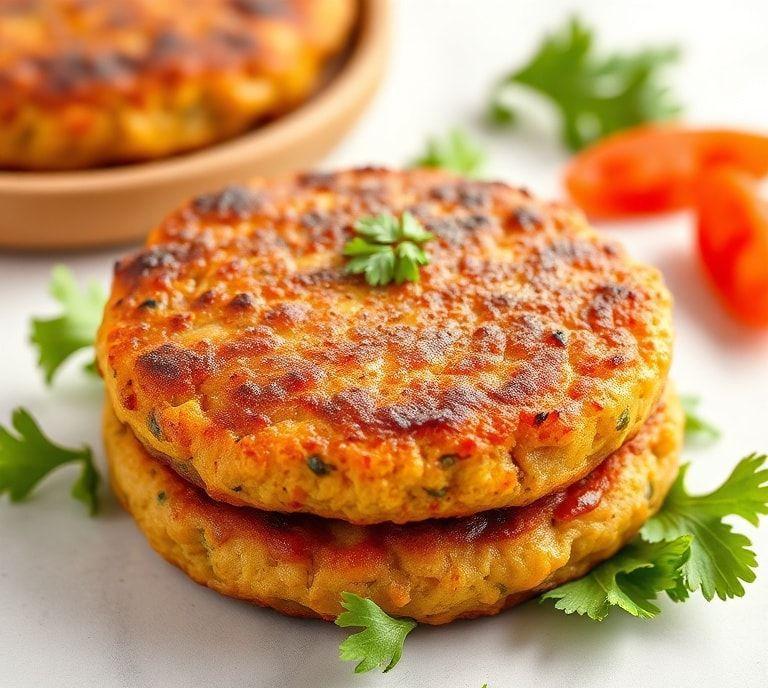
This recipe combines a mix of hearty grains, legumes, and flavorful spices to create a vegetarian patty that can be enjoyed on its own, in a burger bun, or even crumbled over a salad. What makes this one stand out is how it holds together perfectly while still having that satisfying bite.
Here’s the recipe:
Ingredients Needed
- 1 cup cooked quinoa (or rice for a different texture)
- 1 can (15 oz) chickpeas, drained and mashed
- 1 small carrot, grated
- 1/2 cup breadcrumbs (whole wheat or gluten-free)
- 1/4 cup finely chopped onions
- 2 cloves garlic, minced
- 1/4 cup chopped fresh parsley (or cilantro)
- 1 tablespoon ground flaxseed (optional, but helps with binding)
- 1 tablespoon soy sauce (or tamari for gluten-free)
- 1 teaspoon cumin
- 1 teaspoon paprika
- Salt and pepper to taste
- Olive oil (for cooking)
Cooking Instructions
- Prep the base: Start by cooking the quinoa according to the package directions (or rice if you prefer). You’ll want about 1 cup cooked. While that’s cooking, prep the rest of your ingredients. Grate the carrot, chop your onions, and mince the garlic. Everything should be ready to go before you start mixing.
- Mash the chickpeas: In a large mixing bowl, take the drained chickpeas and mash them with a fork or potato masher. You don’t want a smooth paste-leave some chunks for texture. The mash will help bind the patty together, so make sure it’s cohesive but not overdone.
- Mix it all together: Add the cooked quinoa, grated carrot, breadcrumbs, minced garlic, chopped onions, and parsley into the bowl with the chickpeas. Sprinkle in the flaxseed (if you’re using it), soy sauce, cumin, paprika, salt, and pepper. Mix thoroughly until all ingredients are well-combined. The mixture should be firm but a little sticky.
- Shape the patties: Using your hands, take portions of the mixture and shape them into patties. You should get about 6-8 patties depending on how big you want them. If the mixture is too sticky, wet your hands with a bit of water to make shaping easier.
- Cook the patties: Heat a couple of tablespoons of olive oil in a large skillet over medium heat. Once hot, carefully place the patties in the pan. Cook them for about 4-5 minutes per side until golden brown and crispy on the outside. If you’re looking for a slightly healthier version, you can bake them in the oven at 375°F (190°C) for about 25-30 minutes, flipping halfway through.
- Serve: These patties can be enjoyed immediately. Serve them in a bun with your favorite toppings, or on a salad for a lighter meal. The patties also work great with a dollop of hummus, tzatziki, or a spicy yogurt sauce.
Ingredient Science Spotlight
The magic of this veggie patty lies in how the ingredients work together both for flavor and texture. Let’s take a moment to appreciate the science behind some of these components.
- Chickpeas: Chickpeas are the cornerstone of this patty, providing a hearty base and natural binding properties. The fiber and protein in chickpeas give the patties structure, while their slightly nutty taste adds depth. Plus, they’re packed with folate and iron, making them a great nutritional addition.
- Flaxseed: If you’ve ever made veggie patties that fall apart, you’ll know that a good binder is key. Enter flaxseed. When mixed with water, ground flaxseed forms a gel-like substance that helps hold everything together without needing eggs. It’s the perfect plant-based binder and adds a nice dose of omega-3s to boot.
- Quinoa: Quinoa is often hailed as a “supergrain”, and for good reason. It’s gluten-free, packed with protein, and has a pleasant chewiness that’s just right for veggie burgers. It also brings in a balance of amino acids, making this patty a complete protein source. It pairs so well with the chickpeas, and adds to the overall texture of the patty.
- Carrots and Onions: These vegetables are more than just flavor enhancers. The carrots add a natural sweetness and moisture to the patty, while onions bring a savory depth. Both contribute essential vitamins and antioxidants, making the patties not only tasty but also good for you.
Expert Tips
- Texture is Key: If your patties feel too soft and difficult to shape, try adding more breadcrumbs or a small amount of flour to help bind it. The consistency should hold together but still feel a bit moist when you press it between your hands.
- Flavor Boosters: If you want to take the flavor to the next level, consider adding a tablespoon of nutritional yeast for a cheesy flavor or a pinch of smoked paprika for a smoky depth. A squeeze of lemon juice just before serving can also brighten everything up.
- Make Ahead: These patties are great for meal prep. You can make a big batch and store them in the fridge for up to 3-4 days. Just reheat them in a pan when you’re ready to eat. They also freeze well-layer them between parchment paper and store them in a freezer-safe bag for up to 3 months.
Recipe Variations
- Add some greens: Spinach, kale, or arugula can be added for a nutrient boost. Just chop them finely and mix them in with the other ingredients.
- Spicy Kick: For a spicier version, throw in a chopped jalapeño, a bit of sriracha, or red pepper flakes. It’ll add heat without overpowering the flavor.
- Gluten-Free Option: You can easily make these gluten-free by swapping out the breadcrumbs for gluten-free breadcrumbs or using ground oats instead.
- Cheesy Veggie Patties: Stir in some shredded cheese (like cheddar, mozzarella, or vegan cheese) to create a more indulgent version. The melted cheese adds extra richness and helps with holding the patty together.
Final Words
The beauty of this vegetarian patty recipe is its versatility. You can easily customize it to fit your taste preferences or dietary needs. Whether you’re grilling them for a weekend barbecue or whipping them up for a quick dinner, they’re bound to be a hit. I’ve made these for family gatherings, dinner parties, and even packed them for lunch. Every time, they get rave reviews. And that’s what I love about recipes like this-they’re crowd-pleasers that don’t require a ton of effort.
FAQs
What Are The Key Ingredients For A Basic Vegetarian Patty?
A basic vegetarian patty typically includes ingredients such as beans (like black beans, chickpeas, or lentils), vegetables (carrots, onions, bell peppers), breadcrumbs or oats for binding, and seasonings (such as garlic, cumin, paprika, salt, and pepper). Additionally, some recipes may include grated cheese, tofu, or eggs for added texture and protein.
Can I Make A Vegetarian Patty Without Using Eggs?
Yes, you can make a vegetarian patty without eggs. To replace eggs as a binder, options include flaxseed meal mixed with water, mashed potatoes, unsweetened applesauce, or store-bought egg replacers. These alternatives help hold the patty together while maintaining a good texture.
How Can I Make My Vegetarian Patties More Flavorful?
To enhance the flavor of your vegetarian patties, consider adding a variety of herbs and spices, such as garlic, onion powder, turmeric, thyme, or chili flakes. You can also experiment with different vegetables, adding fresh herbs like parsley or cilantro, and using seasonings like soy sauce, nutritional yeast, or smoked paprika for depth. A small amount of mustard, tahini, or hot sauce can also boost flavor.