A long time ago, when I first started exploring vegetarian cooking, I had a bit of a fascination with flavors that were rich, creamy, and bold. One of the very first things I stumbled upon was peanut sauce-oh, how I fell for it! Its versatility blew my mind: drizzling over stir-fries, dipping fresh spring rolls, or even spooning it over a bed of rice. Peanut sauce became my go-to, the kind of recipe I’d turn to when I was craving something comforting but still light and packed with flavor.
As a vegetarian, I’ve found that sauces often make or break a meal. They’re the ones that bring together disparate flavors and textures, turning a pile of vegetables and grains into something unforgettable. Peanut sauce, in particular, always felt like a little magic trick in the kitchen-a thick, creamy concoction that could elevate any dish with just a spoonful. In this post, I want to share with you my favorite vegetarian peanut sauce recipe-one that’s quick, easy, and infinitely adaptable.
Vegetarian Peanut Sauce Recipe
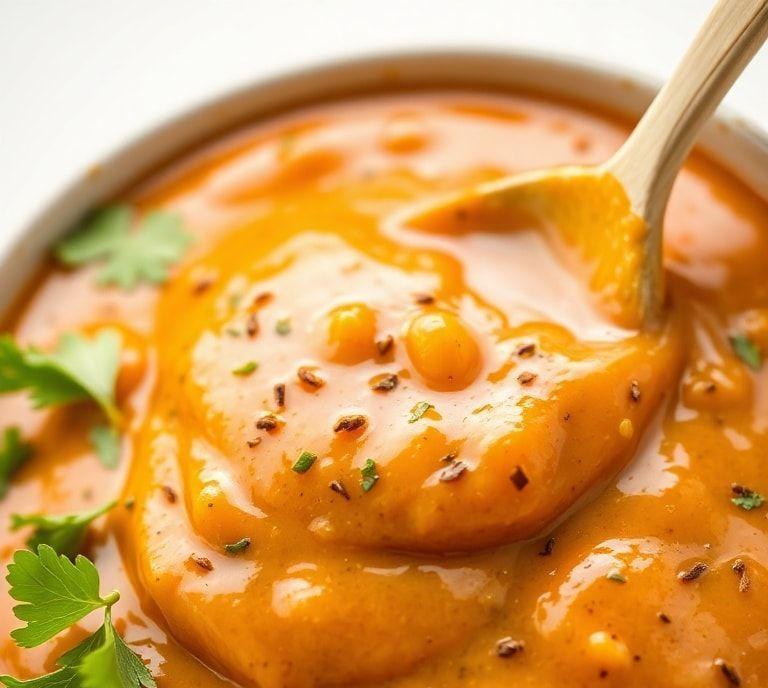
This peanut sauce recipe is a staple in my kitchen because it’s not just fast to whip up, but it’s also loaded with flavor. Think creamy peanut butter, fresh garlic, ginger, a splash of soy sauce, and a hint of sweetness-all coming together to create a sauce that’s perfect for so many dishes. Whether you’re dressing a salad, stirring it into noodles, or slathering it over roasted veggies, this sauce has the kind of depth that makes it feel like a dish in itself, not just a topping.
I remember the first time I made it-I was living on a tight budget as a student and couldn’t afford a lot of fancy sauces. But with just a handful of pantry ingredients, I was able to make a sauce that tasted so indulgent and complex. That’s what I love about this recipe-it’s incredibly budget-friendly, yet it feels like a gourmet treat every time.
Ingredients Needed
- Peanut Butter (½ cup) – The star of the show. You want smooth peanut butter for the best texture. You can use chunky if you like some extra crunch, but it might make the sauce less smooth.
- Soy Sauce (2 tbsp) – Adds umami and saltiness. If you’re gluten-free, tamari is a great alternative.
- Sesame Oil (1 tbsp) – Gives the sauce a nutty, aromatic quality that really ties everything together.
- Rice Vinegar (1 tbsp) – A touch of acidity helps balance the richness of the peanut butter and gives the sauce a fresh, zesty flavor.
- Maple Syrup (1 tbsp) – This adds a gentle sweetness to round out the sauce. You could swap it with honey or agave if you prefer.
- Garlic (1 clove, minced) – The garlic brings in a savory kick, adding complexity.
- Fresh Ginger (1 tsp, grated) – A small but mighty ingredient that adds a bright, zesty undertone.
- Water (3-4 tbsp) – To thin the sauce to your desired consistency. You can adjust this depending on whether you want the sauce thicker or more pourable.
You might already have most of these ingredients in your pantry, and if not, they’re all easy to find at your local grocery store. The beauty of this recipe is in its simplicity-nothing too fancy, just pure, wholesome ingredients.
Cooking Instructions
- Prepare Your Ingredients: Mince the garlic and grate the fresh ginger. This is the step where I always find myself inhaling the aroma of the garlic and ginger, and I can’t help but get excited about what’s coming.
- Mix the Base: In a medium bowl, combine the peanut butter, soy sauce, sesame oil, rice vinegar, and maple syrup. Stir well to make sure everything is blended smoothly. This will form the thick base of your sauce.
- Add Garlic and Ginger: Stir in the minced garlic and grated ginger. At this point, you’ll start to notice how the flavors meld together, with the peanut butter becoming more aromatic from the ginger and sesame oil.
- Thin it Out: Gradually add water, one tablespoon at a time, stirring as you go. Continue adding until you’ve reached your preferred consistency. Some people like it thicker for dipping, while others prefer it a bit more fluid for drizzling over noodles.
- Taste and Adjust: Here’s where I always recommend a quick taste test. Maybe it needs a bit more sweetness (add a touch more maple syrup), or perhaps it could use a little extra saltiness (a dash more soy sauce). Adjust until you get the perfect balance.
- Serve: Drizzle over your favorite dish, whether it’s sautéed vegetables, noodles, tofu, or even as a dip for crispy spring rolls. You’ll likely find that a little goes a long way.
Ingredient Science Spotlight
Let’s dive into some of the science behind why these ingredients work so well together:
- Peanut Butter: It’s rich in healthy fats and protein, giving the sauce its creamy, satisfying texture. The fats help carry the flavors of garlic, ginger, and sesame oil, while the protein adds depth to the sauce.
- Soy Sauce and Sesame Oil: Soy sauce brings an umami punch, a savory flavor that’s key in balancing the richness of the peanut butter. The sesame oil adds a distinct nuttiness, enhancing the overall flavor profile. Both ingredients provide a savory backdrop that makes the sauce taste more complex than just peanut butter and vinegar alone.
- Rice Vinegar: This ingredient is an acid, which helps cut through the richness of the peanut butter and sesame oil, preventing the sauce from feeling too heavy. It adds that sharp contrast that makes you want to keep eating more.
- Maple Syrup: The sweetness is subtle but necessary. Without it, the sauce would feel too salty or acidic. The natural sweetness of maple syrup balances everything out without overwhelming the dish.
- Garlic and Ginger: Both of these are aromatic ingredients that bring freshness and spice. Garlic offers a savory punch, while ginger provides a bit of heat and freshness, lifting the sauce from being just a simple dip to something with real character.
Expert Tips
- Consistency is Key: The amount of water you add will completely change the texture of the sauce. For a thicker sauce that works well as a dip or dressing, use less water. For a runnier consistency that coats noodles nicely, add more water.
- Make it Spicy: If you like a bit of heat, add a dash of sriracha or chili flakes. I’ve tried this when I’m in the mood for something with a bit of a kick, and it makes the sauce even more dynamic.
- Fresh vs. Ground Ginger: Fresh ginger really shines in this recipe. While ground ginger could work in a pinch, fresh ginger provides a much brighter and spicier flavor that’s a key component in the sauce’s success.
- Storage: This sauce can last up to a week in the fridge. In fact, the flavors even deepen over time, which makes it a perfect make-ahead sauce. Just store it in an airtight container, and give it a good stir before using.
Recipe Variations
One of the things I love most about this peanut sauce is how adaptable it is. Here are a few variations I’ve tried that are just as delicious:
- Thai-Inspired: Add some lime juice and a handful of chopped cilantro. The citrus will add brightness and cut through the richness of the sauce.
- Coconut Peanut Sauce: For an extra layer of richness, swap out some of the water with coconut milk. It makes the sauce even creamier and adds a tropical twist.
- Smoky Peanut Sauce: A bit of smoked paprika or chipotle powder will give the sauce a deep, smoky flavor that pairs wonderfully with grilled veggies or tofu.
- Curry Peanut Sauce: Stir in a teaspoon of curry powder for a unique take on the classic recipe. This works especially well with roasted vegetables or quinoa.
Final Words
As simple as it is, this peanut sauce is proof that the right combination of ingredients can create something far greater than the sum of its parts. It’s comforting and rich, but still light and fresh, making it the perfect addition to almost any dish. Plus, it’s so customizable! Whether you keep it simple and traditional or throw in some fun twists, it’s hard to go wrong. It’s also one of those recipes you can adjust to your own taste-whether you like it sweeter, spicier, or tangier, there’s room for personalization.
FAQs
What Ingredients Are Needed To Make A Vegetarian Peanut Sauce?
To make a vegetarian peanut sauce, you will typically need peanut butter (smooth or crunchy), soy sauce or tamari (for gluten-free options), garlic, lime juice, maple syrup or another sweetener, rice vinegar, sesame oil, and water. Optional ingredients include chili flakes, ginger, or fresh herbs like cilantro to enhance flavor.
Can I Make A Peanut Sauce Without Soy Sauce For A Soy-free Version?
Yes, you can make a soy-free peanut sauce by using coconut aminos as a substitute for soy sauce. Coconut aminos have a similar salty and savory flavor but are soy-free and often considered a healthier option for people with soy sensitivities.
How Can I Adjust The Thickness Of My Vegetarian Peanut Sauce?
To adjust the thickness of your peanut sauce, you can add more water for a thinner consistency or increase the amount of peanut butter for a thicker sauce. You can also use coconut milk or a bit of vegetable broth for additional flavor and consistency adjustments.