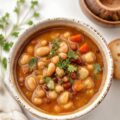
There’s something about the idea of pemmican that really sparks the imagination-sustenance in a compact, nearly indestructible form. If you’ve ever wondered how people survived harsh winters or long journeys through rugged terrain, the answer often involved this unassuming superfood. Originally crafted by Indigenous peoples of North America, pemmican was made for endurance, for survival, and for thriving in tough conditions. But while its practical origins were born out of necessity, its ingenuity makes it something that still holds relevance today.
If you’re someone who enjoys diving into food history, experimenting with new recipes, or looking for sustainable, plant-based alternatives, then making vegetarian pemmican could be an exciting challenge. The beauty of pemmican lies in its simplicity: just a few ingredients and minimal cooking required. It’s a way to create something nourishing that you can take with you on any adventure. And the best part? You don’t need to be a wilderness expert to appreciate it. Whether you’re preparing for a camping trip or simply want a nutritious snack that will last, this recipe will give you a peek into a time when food had to be as hardy as the people who ate it.
Vegetarian Pemmican Recipe
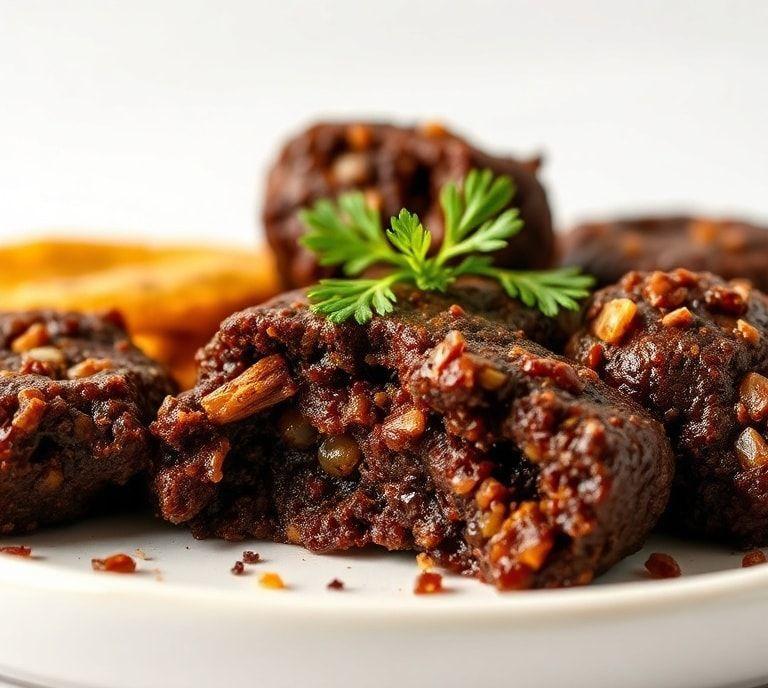
Making vegetarian pemmican means replacing the traditional meat component, usually dried buffalo, venison, or elk, with plant-based substitutes. This makes it suitable for vegetarians or those simply looking to experiment with meat-free preservation techniques. The original recipe’s essence stays intact-calorically dense, easily portable, and rich in healthy fats-perfect for long-lasting energy.
Ingredients Needed
To make a batch of vegetarian pemmican, you’ll need just a few basic ingredients:
- Dried Mushrooms or Soy Protein (TVP): These provide the hearty, savory element. Mushrooms are a great choice, as they absorb flavors well and have a meaty texture when dried. Textured vegetable protein (TVP) is another option, offering the texture of meat without the actual meat.
- Coconut Oil or Ghee: These act as the binding fat. Both coconut oil and ghee provide excellent shelf stability, making them perfect for preserving the pemmican.
- Dried Berries (such as cranberries or blueberries): They add a little natural sweetness and a punch of antioxidants to balance out the richness of the fat.
- Nuts or Seeds (optional): A handful of raw almonds, sunflower seeds, or walnuts can add texture and additional protein, but this is completely optional. It’s all about what you prefer and what you have on hand.
- Honey or Maple Syrup (optional): For a touch of sweetness, a small amount of honey or maple syrup will help round out the flavors and add a bit of extra energy.
These ingredients may seem simple, but they are packed with nutrients that will fuel you for hours. When I first made this, I felt like I had created some sort of time capsule-a nourishing snack that could last through anything.
Cooking Instructions
- Prepare the Base Protein: If you’re using dried mushrooms, chop them finely. You want them to resemble a ground texture, which will help them blend more seamlessly into the mixture. If you’re using soy protein (TVP), hydrate it with warm water, then drain it and squeeze out any excess moisture.
- Mix the Dry Ingredients: In a large bowl, combine the dried mushrooms (or soy protein), dried berries, and optional nuts or seeds. The beauty of pemmican is in how adaptable it is, so feel free to get creative with this step. Add any dried herbs or spices you like-maybe a pinch of thyme or even a sprinkle of smoked paprika if you’re in the mood for something more savory.
- Melt the Fat: In a saucepan, melt the coconut oil or ghee over low heat. You’ll need enough fat to coat the dry ingredients-roughly 1-1.5 cups. Be careful not to overheat it; you want it just warm enough to blend smoothly with the rest of the ingredients.
- Combine the Mixture: Slowly pour the melted fat into the dry ingredients, stirring gently to make sure everything is evenly coated. You want a thick, slightly sticky consistency-think of it like making granola bars but with a much firmer base.
- Shape and Set: Transfer the mixture into a baking dish lined with parchment paper, pressing it down firmly into an even layer. Let it cool at room temperature, or if you’re in a hurry, place it in the fridge for 30 minutes to an hour to harden. Once it’s solidified, cut it into small bars or squares. These can be stored in an airtight container for up to several weeks or even months, depending on the storage conditions.
Ingredient Science Spotlight
The genius of pemmican lies in the way its ingredients preserve themselves over long periods. Coconut oil and ghee are both excellent choices for this type of preservation because they have a high smoke point and are less prone to oxidization, which makes them stable at room temperature. Meanwhile, dried mushrooms and soy protein offer a solid source of protein, and the dried berries contribute natural sugars to balance out the richness of the fat.
What really stands out here is how fats, proteins, and carbohydrates can be combined to create a food that is both shelf-stable and high in calories-two essential elements for survival. The fats provide sustained energy, while the dried mushrooms and berries offer protein, fiber, and essential vitamins.
Expert Tips
- Get the Right Texture: If you want your vegetarian pemmican to be more crunchy than chewy, consider adding some crushed granola or more nuts to the mix. This can help create a contrast in texture that will make each bite more interesting.
- Experiment with Flavors: Just because this is a survival food doesn’t mean it has to be bland. Play around with spices like cinnamon, ginger, or even a dash of chili flakes to give your pemmican a unique twist. I’ve even added a tiny bit of smoked salt to mine for a savory-sweet effect.
- Storage is Key: You want to make sure your pemmican is stored in a cool, dry place. An airtight container is your best friend here. Some people even vacuum-seal their pemmican for longer-term storage-this helps to eliminate air, which can cause the fats to go rancid.
Recipe Variations
- Nut-Free Option: If you have nut allergies or prefer to leave them out, simply replace them with extra seeds, like chia, flax, or pumpkin seeds. You can also incorporate some oats to add texture without the nuts.
- Savory Twist: Add finely chopped dried tomatoes, rosemary, or thyme to give your pemmican a Mediterranean flavor. If you like things spicy, a pinch of cayenne pepper can add an unexpected kick.
- Fruit-Free Version: If you’re not fond of berries, you can try substituting them with dried apple or pear slices, or even dried figs or dates for a richer sweetness.
Final Words
There’s a certain kind of satisfaction that comes from making pemmican. It’s a recipe that connects you to a history of survival and ingenuity. The vegetarian version is no different-it’s packed with energy, taste, and nourishment, but it’s also a nod to how far we’ve come in balancing the needs of modern diets with the resourcefulness of ancient peoples.
Whether you’re making it for a long hike, a backpacking adventure, or just to have a snack that keeps well through your busy days, it’s a recipe that will never fail you.
FAQs
What Ingredients Are Used In A Vegetarian Pemmican Recipe?
A vegetarian pemmican recipe typically replaces the traditional meat with plant-based alternatives. Common ingredients include dried fruits (like cranberries or apples), seeds (such as sunflower or pumpkin seeds), nuts (like almonds or walnuts), and plant-based fats such as coconut oil or nut butters. These ingredients mimic the high-energy, long-lasting properties of traditional pemmican while maintaining a vegetarian profile.
How Is A Vegetarian Pemmican Recipe Prepared?
To prepare vegetarian pemmican, you start by dehydrating your chosen fruits, such as berries or apples, to remove moisture. Next, grind or chop them into small pieces. Combine the dried fruits with your selected nuts and seeds, and then blend them with melted plant-based fats, such as coconut oil or a nut butter, to form a sticky, dense mixture. Finally, press the mixture into a mold or pan and allow it to set before cutting into bars or pieces. The result is a nutrient-dense, portable food ideal for outdoor activities or emergency rations.
How Long Does Vegetarian Pemmican Last, And How Should It Be Stored?
Vegetarian pemmican, if properly prepared and stored, can last for several months. The shelf life depends on the type of fat used and how thoroughly the ingredients are dehydrated. When stored in an airtight container, kept in a cool, dry place, and away from direct sunlight, it can last anywhere from 3 to 6 months. For longer shelf life, you can refrigerate or even freeze it. The key to ensuring its longevity is making sure that moisture is kept to a minimum during preparation and that it is sealed properly during storage.