A few years ago, I found myself on a quest to make vegetarian alternatives that could not only stand up to the real thing but actually taste better. I had recently made the shift to a more plant-based lifestyle, but there was one thing I truly missed: pepperoni. The spicy, savory goodness with that perfect crispy edge. It seemed like such a tough thing to replicate, but after many trial-and-error experiments, I finally figured it out.
That’s the beauty of cooking, isn’t it? The challenge of creating something from scratch that feels familiar and comforting, but also new and exciting. Over time, I developed a vegetarian pepperoni recipe that brings the same delicious crunch and spice as its meaty counterpart-without sacrificing the flavors we all crave. Now, I’m excited to share that recipe with you, so you can bring a little bit of plant-based goodness to your kitchen too.
Vegetarian Pepperoni Recipe
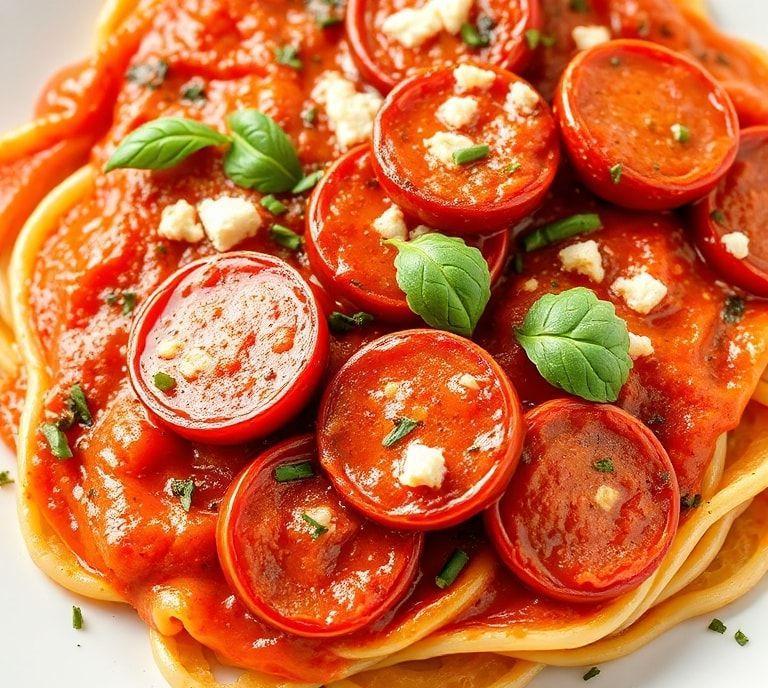
This vegetarian pepperoni recipe is designed to be rich in flavor, satisfying in texture, and versatile enough to use in anything from pizza to sandwiches or even as a snack. The key is getting the spices right, and understanding how the texture of plant-based ingredients can mimic the real thing when done properly. The base of this recipe is seitan, which gives it that meaty, chewy consistency. Once you nail the seasoning and texture, the pepperoni comes together beautifully.
Ingredients Needed
To create this pepperoni, you’ll need a handful of ingredients that you might already have in your kitchen. Here’s a breakdown:
- Vital Wheat Gluten: This is the magic ingredient that gives seitan its chewy, meat-like texture. If you’re unfamiliar with it, don’t worry-it’s simply wheat protein and will absorb the flavors you mix it with.
- Nutritional Yeast: For that umami kick. It’s one of the main components that’ll make your vegetarian pepperoni taste rich and savory, like the real deal.
- Tomato Paste: Adds some body and that deep, tangy base flavor. It’s a good way to get that slightly acidic bite that pepperoni typically has.
- Smoked Paprika: This is a must for that smoky, barbecue-like flavor. It gives the pepperoni that authentic, grilled taste.
- Garlic Powder & Onion Powder: These staples bring the savory essence to the pepperoni, rounding out the flavor profile.
- Ground Fennel Seeds: This one is key! It’s one of the main spices in traditional pepperoni, and it provides that unique, almost anise-like undertone that really elevates the flavor.
- Cayenne Pepper: A little heat goes a long way, giving that spicy kick we all love in pepperoni.
- Soy Sauce: Adds a little saltiness and depth to the overall taste.
- Olive Oil: Helps with the texture and makes the pepperoni more pliable during the cooking process.
- Water: To activate the gluten and bind everything together.
Cooking Instructions
Making vegetarian pepperoni is surprisingly simple, but it does take a bit of patience. Let me walk you through the process.
- Mix the Dry Ingredients: In a large bowl, combine the vital wheat gluten, nutritional yeast, smoked paprika, garlic powder, onion powder, ground fennel seeds, cayenne pepper, and a pinch of salt. Whisk everything together so it’s evenly distributed.
- Add the Wet Ingredients: In a separate bowl, whisk together the soy sauce, tomato paste, olive oil, and water. This will create a slightly thick mixture that blends into the dry ingredients when combined.
- Form the Dough: Gradually add the wet mixture into the dry ingredients while stirring. You’ll want to mix until a dough forms, then knead it for about 3-5 minutes. The more you knead, the chewier it gets, so don’t skimp on this step.
- Shape the Pepperoni: Once your dough is smooth and elastic, divide it into smaller portions (about 6-8 pieces). Roll each piece into a log shape, and then wrap them tightly in parchment paper or foil.
- Steam the Logs: Place the wrapped logs into a steamer basket (or on a rack over boiling water). Steam for about 30-40 minutes. The steaming process helps to cook the seitan and give it that familiar pepperoni texture.
- Slice and Sear: After the steaming, remove the pepperoni logs and allow them to cool slightly. Once cool, slice them into thin rounds. Now, heat a little oil in a pan over medium-high heat and sear the slices for 1-2 minutes per side until they get crispy and golden brown. This step is crucial for adding that satisfying crunch to your pepperoni.
Ingredient Science Spotlight
Let’s take a moment to explore the science behind some of the key ingredients that make this vegetarian pepperoni so successful.
- Vital Wheat Gluten: When mixed with water, wheat gluten forms a protein network that traps moisture, creating a dense, elastic texture. This is what gives seitan its chewy, meat-like properties. It’s essentially the plant-based version of muscle tissue.
- Fennel Seeds: These tiny seeds carry an essential oil that’s rich in anethole, which is a compound that gives fennel its distinct flavor. This adds a slightly sweet, licorice-like taste to the pepperoni, reminiscent of traditional Italian sausage.
- Nutritional Yeast: This ingredient is a vegan’s best friend. It’s packed with B-vitamins and adds a cheesy, umami flavor. Nutritional yeast has a savory, almost meaty flavor that enhances the depth of your pepperoni’s taste.
Expert Tips
- Let it Rest: After steaming the logs, let them cool and rest for a while. This helps the texture firm up, making it easier to slice. If you skip this step, the slices can become a bit crumbly when you cut them.
- Don’t Skimp on the Fennel: This spice is the secret weapon in traditional pepperoni, and it’s what gives this vegetarian version its authentic flavor. If you’re not a fan of fennel, you can reduce the amount, but it won’t quite taste like pepperoni without it.
- Make it Ahead of Time: These vegetarian pepperoni logs store really well. After they’ve been steamed and cooled, you can refrigerate them for up to a week or freeze them for longer storage. That means you can make a big batch and have pepperoni ready to go whenever you need it.
Recipe Variations
- Spicy Pepperoni: If you want more heat, you can up the cayenne or add a pinch of chili flakes to the mix. You can even add a bit of hot sauce to the wet ingredients for extra spice.
- Herb-Infused Pepperoni: For a more complex flavor profile, try adding dried herbs like oregano, thyme, or basil. This will bring a Mediterranean flair to your pepperoni.
- Smoked Version: If you have a smoker, you can give the logs a smoky flavor by smoking them after steaming. It’s an extra step, but it’s worth it if you want that deep, smoky kick.
Final Words
Making your own vegetarian pepperoni is not only fun, but it’s also a great way to explore plant-based cooking in a whole new light. With the right blend of spices and the unique texture of seitan, you can recreate that satisfying pepperoni experience without relying on meat. The best part is, you’re in control of the flavors-so you can make it as spicy, smoky, or savory as you like.
FAQs
What Are The Main Ingredients In A Vegetarian Pepperoni Recipe?
A typical vegetarian pepperoni recipe includes plant-based ingredients like vital wheat gluten, nutritional yeast, soy sauce, spices (such as paprika, garlic powder, onion powder, fennel seeds, and black pepper), tomato paste, and olive oil. These ingredients mimic the flavor and texture of traditional pepperoni without using meat.
Can I Make Vegetarian Pepperoni Without Vital Wheat Gluten?
Vital wheat gluten is a key ingredient in creating the chewy texture of vegetarian pepperoni, but if you cannot use it, you can substitute it with other ingredients like chickpea flour or soy protein isolate. However, these substitutes may alter the final texture and flavor, so adjustments to the recipe might be necessary to achieve a similar result.
How Do I Cook Vegetarian Pepperoni To Get It Crispy?
To get vegetarian pepperoni crispy, you should either bake it in the oven at a high temperature (around 375°F or 190°C) for 20-30 minutes, flipping halfway through, or pan-fry slices in a bit of oil. Both methods will help achieve a crispy exterior. Baking tends to provide an even crispness, while pan-frying can give a slightly more caramelized texture.