Pho, the warm and fragrant Vietnamese soup, is a dish that carries layers of comfort and tradition. For me, every time I have a bowl, it’s like being transported to the bustling streets of Hanoi, where the scent of simmering broth fills the air, and the hum of life surrounds you. There’s something magical about how the combination of fresh herbs, savory broth, and delicate noodles can bring such peace, especially when enjoyed slowly on a rainy afternoon or shared with friends. But when I first tried my hand at making pho, I quickly realized that this seemingly simple dish was much more intricate than it appeared. After plenty of trial and error, I’ve learned that the key to an authentic vegetarian pho lies in the careful balance of flavors and the respect for tradition.
Creating an authentic vegetarian pho at home feels like a labor of love. It takes patience, but it’s the kind of cooking that rewards you tenfold. You’ll soon discover that the heart of the dish is the broth. This vegetarian version embraces the richness of plant-based ingredients without sacrificing that complex depth of flavor that defines pho.
Vegetarian Pho Authentic Recipe
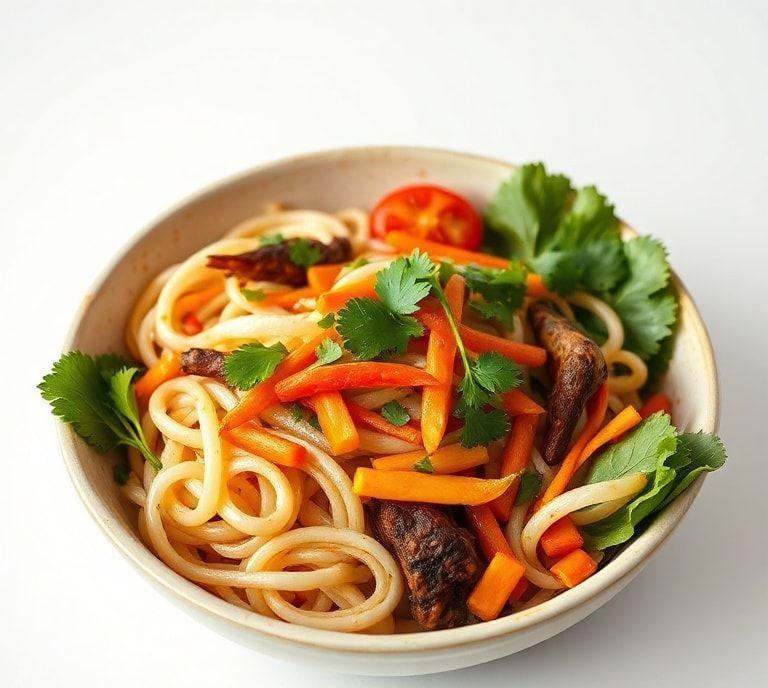
Making pho without meat doesn’t mean sacrificing depth of flavor or authenticity. In fact, vegetarian pho can be just as vibrant, rich, and satisfying as its traditional counterpart. The secret is in the broth, which should be simmered for hours to extract the full, nuanced flavors from vegetables and spices. The key components to getting it just right? A deep, aromatic broth, fresh herbs, and the perfect balance of sweetness, saltiness, and spice.
Let’s get into the recipe!
Ingredients Needed
For the broth:
- 1 large onion, halved (charred)
- 3-4 large pieces of ginger, unpeeled (charred)
- 1 tablespoon coriander seeds
- 1 tablespoon fennel seeds
- 1 cinnamon stick
- 2-3 cloves
- 3-4 star anise
- 1 cardamom pod (optional, but adds a lovely complexity)
- 2 tablespoons soy sauce (or tamari for gluten-free)
- 2 teaspoons sugar (palm sugar or brown sugar works best)
- 1 tablespoon salt (adjust to taste)
- 12 cups water (or vegetable broth if you want a richer base)
For the toppings:
- 200g rice noodles (banh pho)
- Fresh herbs: Thai basil, cilantro, mint
- Bean sprouts
- Lime wedges
- Sliced jalapeños or bird’s eye chilies
- Hoisin sauce and sriracha (for dipping, optional)
Cooking Instructions
Step 1: Char The Aromatics
Start by heating a dry skillet over medium-high heat. Place the onion halves and ginger slices in the pan. Let them char, turning occasionally until they’re well-blackened on the outside. This step brings out a deep sweetness and smokiness, which is essential to the flavor profile of pho. The charring doesn’t need to be perfect, but make sure they’re nicely browned and fragrant.
Step 2: Prepare The Broth Base
In a large pot, add the charred onion, ginger, and your whole spices (coriander, fennel, cinnamon, star anise, cloves, and cardamom). Toast them in the pot for a couple of minutes on medium heat until they release their essential oils-this step really brings the aroma to life.
Now, add 12 cups of water or vegetable broth to the pot. Bring it to a boil and then reduce the heat to a gentle simmer. Let it cook uncovered for at least 45 minutes-ideally, you want it to simmer for 2-3 hours to extract all the flavors, but if you’re short on time, even a shorter simmer can still yield great results.
Step 3: Season The Broth
Once your broth has simmered, it’s time to season. Add soy sauce, sugar, and salt. Taste frequently as you adjust these to find that sweet-umami balance. The broth should have a savory depth with a touch of sweetness and warmth from the spices. If you find the broth too strong, add a little more water to mellow it out.
Step 4: Cook The Rice Noodles
While the broth is simmering, cook your rice noodles according to the package instructions. Drain and set aside. I recommend giving them a quick rinse in cold water after draining to keep them from sticking together.
Step 5: Assemble The Pho
To assemble, place the cooked noodles into a bowl. Ladle the hot broth over the noodles. Add your fresh herbs (basil, cilantro, mint) and bean sprouts on top. Serve with lime wedges, sliced jalapeños, hoisin sauce, and sriracha on the side for anyone who wants to kick up the heat.
Ingredient Science Spotlight
Pho’s magic lies in its ingredients, especially the spices and how they interact. Let’s look at a couple of standout ingredients that elevate this dish:
- Star Anise: Star anise gives pho its signature warm, slightly licorice-like flavor. While it can seem overpowering on its own, when combined with the other spices, it adds complexity and a subtle sweetness that helps balance out the richness of the broth. It’s also high in antioxidants, which adds a health benefit to every bowl.
- Cinnamon: This spice brings a comforting warmth to the broth. In pho, cinnamon doesn’t just add sweetness; it also contributes a fragrant aroma that enhances the broth’s depth. Cinnamon helps stimulate the senses, and when paired with fennel and cardamom, it creates an aromatic base that makes pho so distinct.
- Ginger and Onion: The combination of charred ginger and onion serves as the aromatic foundation of pho. The charred elements develop a natural sweetness and smokiness that contributes to the overall richness of the broth. Ginger, in particular, is also known for its anti-inflammatory properties, which makes the broth feel even more healing.
Expert Tips
- Patience with Broth: The longer the broth simmers, the better the flavor. If you have the time, go for a 2-3 hour simmer. You’ll notice a remarkable difference in how the flavors develop and meld together.
- Use a Spice Bag: If you don’t want to fish out whole spices later, consider using a spice bag or cheesecloth to wrap up the whole spices. This makes straining the broth later much easier.
- Freshness Matters: Fresh herbs and veggies are key to making this dish shine. Don’t skimp on the Thai basil or cilantro-they add so much freshness to the bowl. A sprinkle of bean sprouts adds texture, and the lime juice is essential to cut through the richness of the broth.
- Customization: Don’t be afraid to adjust the broth’s seasoning to suit your taste. A little more sugar can bring out the sweetness, while an extra dash of soy sauce or salt can intensify the savory umami. This recipe is just a guide, so feel free to experiment.
Recipe Variations
- Mushroom Pho: If you want a more umami-rich broth, add some dried mushrooms (shiitake or wood ear) to the simmering pot. They’ll lend a deep, earthy flavor that mimics the richness of meat-based pho.
- Spicy Pho: For those who love heat, add more bird’s eye chilies directly to the broth or finely chop them and add them to your bowl along with the other herbs.
- Lemongrass Pho: For a lighter, citrusy twist, add a stalk or two of bruised lemongrass to the broth. This will give your pho a fresh, aromatic fragrance that’s perfect for spring or summer.
- Tofu Pho: To add a protein boost, lightly pan-fry cubes of tofu and top your pho with them. You could also marinate them in soy sauce, ginger, and garlic for extra flavor.
Final Words
Vegetarian pho is a labor of love, but it’s an incredibly rewarding dish to prepare. The balance of flavors and textures-from the rich broth to the freshness of the herbs-creates a comforting, hearty bowl that can rival any meat-based version. Once you’ve got your broth down, the rest is just assembly, and that’s the beauty of pho: it’s adaptable, easy to make your own, and endlessly satisfying.
FAQs
What Ingredients Are Essential For Making Authentic Vegetarian Pho?
Authentic vegetarian pho relies on a rich and aromatic broth. Essential ingredients include onions, ginger, star anise, cloves, cinnamon sticks, cardamom, and coriander seeds for the spice base. For the liquid component, use vegetable stock or a combination of water and mushrooms to deepen the umami flavor. Common vegetables added include carrots, daikon, and celery. Rice noodles, fresh herbs such as Thai basil, cilantro, and mint, along with bean sprouts, lime wedges, and sliced chili, are typically served as accompaniments.
How Can I Achieve The Depth Of Flavor In Vegetarian Pho Without Using Meat?
To replicate the depth of traditional pho, you should roast or char aromatics such as onions and ginger before simmering them in the broth. Dried mushrooms, such as shiitake, add a savory umami note that mimics the richness of meat-based broths. Toasting the whole spices before adding them to the broth enhances their aroma. A slow simmer for at least 45 minutes allows the flavors to meld. Finally, adding a touch of soy sauce or tamari and a small piece of kombu seaweed can provide additional savory complexity.
What Are Common Toppings And Garnishes For Vegetarian Pho To Make It Authentic?
Traditional pho garnishes can be fully adapted for a vegetarian version. Common toppings include fresh herbs like Thai basil, cilantro, and mint; thinly sliced green onions; bean sprouts; lime wedges for acidity; and fresh chili slices for heat. Tofu, either fried or soft, can be added as a protein substitute. Some variations include thinly sliced mushrooms or seitan to enhance texture. Hoisin sauce and sriracha are often provided on the side for added flavor, allowing diners to adjust seasoning according to personal preference.