I still remember the first time I had a bowl of vegetarian pho. It was a rainy afternoon, and I was seeking comfort from the chill of the season. A friend took me to a small Vietnamese restaurant tucked away in a corner of the city. The scent that hit me when I walked in was like a promise – warm, aromatic, and rich. The pho arrived, a steaming bowl of broth, noodles, and a variety of fresh herbs that looked almost too beautiful to eat. The first slurp was all it took to hook me – a burst of umami, a hint of spice, and that delicate balance of savory and fresh. That moment has stuck with me, and since then, I’ve made it my mission to replicate that magic in my own kitchen. Today, I’m excited to share a vegetarian pho recipe that’s a hearty, flavorful, and comforting bowl of love.
Pho may traditionally be made with beef or chicken, but it’s equally delicious when you strip it down to its plant-based roots. In this version, the focus is on layers of fresh vegetables, herbs, and a rich, aromatic broth that’s so comforting, you’ll forget it’s vegetarian.
Vegetarian Pho Recipe
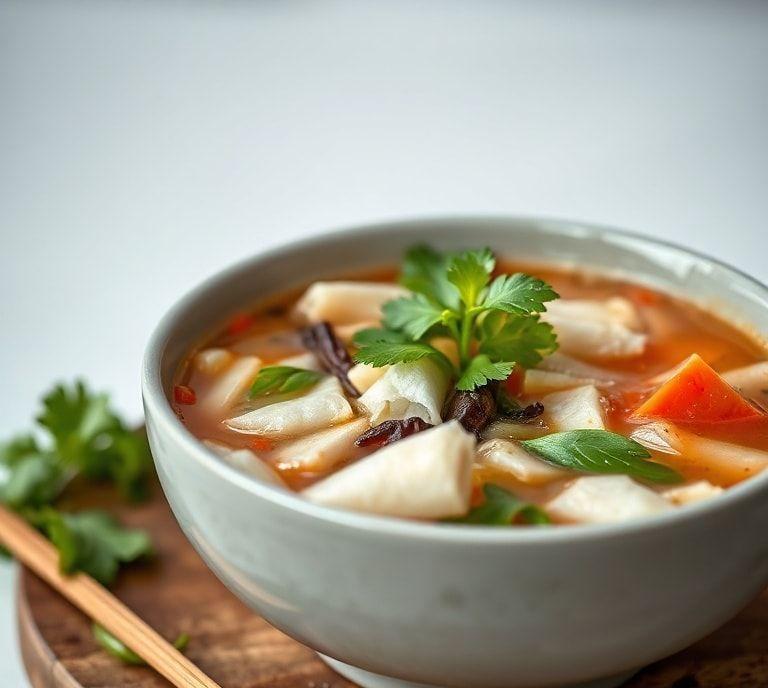
Now, I’m not going to tell you that making pho is a ten-minute affair. But it’s definitely one of those recipes that rewards you for the time and care you put into it. Pho, at its heart, is about building depth of flavor – from the charred onions to the delicate simmer of the spices. The key is patience, but I promise the end result is worth it. Let’s dive into how you can create a vibrant vegetarian pho at home that will have your kitchen smelling like a fragrant Vietnamese street food stall.
Ingredients Needed
You’ll need a few key ingredients to pull this dish together. If you’re a frequent cook, you might already have some of these spices and herbs in your pantry. The magic of pho lies in the balance of flavors, so each one of these ingredients plays an important role in creating that deep, complex broth.
For The Broth
- 1 large onion, peeled and halved
- 1-inch piece of ginger, peeled
- 3 star anise pods
- 3 cloves
- 1 cinnamon stick
- 1 tablespoon coriander seeds
- 1 tablespoon fennel seeds
- 1 tablespoon soy sauce (or tamari for gluten-free)
- 2 teaspoons sugar
- 6 cups vegetable broth (you can make your own or use a store-bought version)
- 1 tablespoon rice vinegar
- 1 tablespoon miso paste (optional, but adds a nice depth)
- Salt to taste
For The Noodles And Toppings
- 200 grams rice noodles (pho noodles)
- 1 cup bean sprouts
- 1 large bunch fresh cilantro, chopped
- 1 bunch fresh Thai basil
- 2 green onions, thinly sliced
- 1-2 jalapeños, thinly sliced (depending on how spicy you want it)
- 1 lime, cut into wedges
- 1 tablespoon hoisin sauce (optional, but adds a lovely sweet element)
Cooking Instructions
Start by making the broth – this is where the magic happens. In a large pot, place the onion and ginger cut-side down. Get it nice and charred over medium heat. This step is critical; the charred bits of onion and ginger will impart a smoky richness to your broth that you can’t replicate any other way.
Once you’ve got those delicious charred bits, throw them in the pot with the rest of the spices: star anise, cinnamon stick, cloves, coriander, and fennel. Let those warm up and bloom in the heat for a minute or so. The fragrance is intoxicating – this is where you start to realize pho isn’t just food, it’s an experience.
Now, pour in the vegetable broth and bring it to a simmer. Add soy sauce, sugar, rice vinegar, and a little salt. Let this simmer for at least 30 minutes – if you have the time, an hour or more will help deepen the flavor. Every time I make pho, I’m amazed by how something so simple can become so complex. The broth should be balanced: a little sweet, a little salty, a little spicy, and rich with all those aromatic spices.
While the broth is simmering away, prepare the rice noodles. You can either follow the package instructions, but generally, they need a quick soak in hot water. Once tender, drain and set aside.
To assemble the pho, divide the cooked noodles between your bowls. Then, strain the broth into the bowls over the noodles. The hot broth will warm up the noodles and everything will start to come together. Now, it’s time for the fun part – the toppings. Layer on your fresh herbs, sprouts, lime wedges, hoisin sauce, and a few slices of jalapeño for that extra kick.
Ingredient Science Spotlight
Let’s take a moment to dive into why these ingredients work so wonderfully together. The combination of cinnamon, star anise, and cloves is what gives pho its signature warm, slightly sweet, and aromatic fragrance. These spices are classic in Vietnamese cooking, adding layers of flavor that evolve as you sip.
The ginger and onion are the base of the broth, offering a depth that’s both earthy and bright. When charred, they contribute a subtle smokiness that balances the freshness of the herbs you add at the end. Then, the sugar and soy sauce bring that savory-sweet harmony – crucial to getting the broth just right.
The rice noodles themselves are so delicately soft and slippery, they’re perfect at absorbing all the flavors of the broth. They give pho that satisfying texture that’s different from other noodle soups.
And the fresh herbs and lime wedges? They’re essential in adding the final burst of flavor. Pho is one of those rare dishes where you get this incredible interplay between the hot, comforting broth and the cool freshness of the garnishes.
Expert Tips
- Build the Broth Slowly: Don’t rush it. Let the flavors steep and develop over time. The longer you let it simmer, the better it will taste.
- Use High-Quality Vegetable Broth: Since the broth is the star, make sure it’s rich and flavorful. A watery broth will dilute the taste of your pho.
- Don’t Skip the Fresh Herbs: The herbs are a huge part of pho. When you add the basil, cilantro, and lime at the end, they cut through the richness of the broth and give it that fresh brightness that balances out all the savory elements.
- Adjust to Taste: Pho is a very personal thing. Some like it spicy, some like it sweet, some like it sour. Adjust the seasonings and toppings according to your taste.
- Experiment with Miso Paste: If you want to give your pho a deeper, umami-rich flavor, add a spoonful of white or yellow miso paste to the broth while it simmers. It’s an unexpected twist that gives the broth a savory depth.
Recipe Variations
While this vegetarian pho is perfect on its own, there’s always room for variations to make it uniquely yours:
- Mushroom Pho: Add some sautéed shiitake, oyster, or enoki mushrooms to the broth for a rich, meaty texture.
- Tofu Pho: For added protein, pan-fry some tofu cubes and toss them in at the end. They’ll soak up all the flavors of the broth and add a lovely crunch.
- Herb Swaps: If you can’t find Thai basil, regular basil or mint can offer a similar fresh punch. Or, try adding cilantro stems for extra flavor.
- Spicy Pho: If you like a real kick, throw in a few extra slices of jalapeños or drizzle on some sriracha before serving.
Final Words
There’s something magical about a bowl of pho. It’s more than just food – it’s a warm, aromatic hug in a bowl. This vegetarian version might not have the traditional meat-based broth, but it brings everything that’s beautiful about pho to the table: the balance of flavors, the satisfying noodles, and the brightness of fresh herbs. It’s a dish that invites you to take your time, enjoy the process, and, most importantly, savor each spoonful.
FAQs
What Ingredients Are Needed For A Vegetarian Pho Recipe?
To make a vegetarian pho, you will need ingredients like vegetable broth, rice noodles, tofu (or another plant-based protein), fresh herbs (such as basil, cilantro, and mint), bean sprouts, lime, mushrooms (shiitake or oyster are popular choices), hoisin sauce, soy sauce, star anise, cinnamon, cloves, ginger, and onions. You can also include additional vegetables like carrots, bok choy, or bell peppers for more flavor.
Can I Make The Broth For Vegetarian Pho Ahead Of Time?
Yes, you can make the broth for vegetarian pho ahead of time. In fact, allowing the broth to sit and develop flavor overnight can enhance its taste. Store the broth in an airtight container in the refrigerator for up to 3 days. When you’re ready to serve, simply reheat the broth and assemble the pho with fresh toppings and noodles.
How Can I Adjust The Vegetarian Pho To Be Gluten-free?
To make vegetarian pho gluten-free, ensure that you use gluten-free soy sauce or tamari in place of regular soy sauce. Also, check the ingredients in any pre-made sauces (such as hoisin or sriracha) to ensure they don’t contain gluten. Additionally, use gluten-free rice noodles, as some varieties may contain wheat. The rest of the ingredients, including vegetables and tofu, are naturally gluten-free.