
There’s something truly magical about the first bite of a pizza-especially when it’s loaded with fresh, vibrant ingredients that make each flavor pop. Pizza, for me, has always been more than just food; it’s a chance to gather with loved ones, to experiment in the kitchen, and to enjoy that perfect balance of cheese, sauce, and toppings. And when it comes to vegetarian pizza, the possibilities are endless. You don’t need meat to make a pizza feel satisfying. Fresh veggies bring such a burst of flavor and texture that it often feels like a celebration in each bite.
I’ve had my fair share of trial and error in the kitchen, perfecting the art of a great vegetarian pizza. Over time, I’ve come to realize that the key to a fantastic veggie pizza is in the balance of flavors and the way the ingredients work together. Whether it’s the sweetness of roasted peppers, the richness of olives, or the earthy depth of mushrooms, each topping plays a role in creating something that feels truly special. I’ve spent a lot of time exploring different combinations and have learned a few tricks along the way that take a simple pizza to new heights.
So, if you’re looking to make a vegetarian pizza that’s both exciting and satisfying, this recipe is going to be your new go-to. Let’s get into it!
Vegetarian Pizza Toppings Recipe
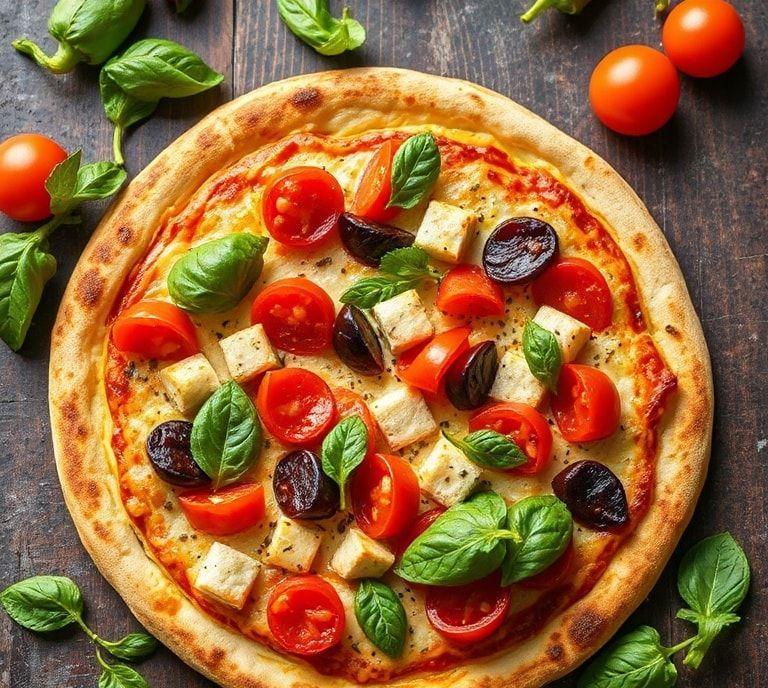
Creating a vegetarian pizza that bursts with flavor is all about choosing the right ingredients and layering them with care. The combination of textures is just as important as the flavors. From crispy to tender, savory to slightly sweet, each topping should complement the other. Here’s my take on a vegetarian pizza with a little bit of everything.
Ingredients Needed
For The Crust
- 2 ½ cups all-purpose flour
- 1 packet active dry yeast (2 ¼ teaspoons)
- 1 teaspoon sugar
- 1 teaspoon salt
- 1 tablespoon olive oil
- 1 cup warm water (about 110°F)
- Cornmeal (optional, for dusting)
For The Sauce
- 1 cup crushed tomatoes (or a high-quality pizza sauce)
- 2 cloves garlic, minced
- 1 tablespoon olive oil
- 1 teaspoon dried oregano
- Salt and pepper, to taste
For The Toppings
- 1 cup mozzarella cheese (preferably whole milk, shredded)
- 1 cup ricotta cheese (for a creamy touch)
- ½ cup red onion, thinly sliced
- ½ cup bell peppers (use any color you like, sliced)
- 1 cup mushrooms (button, cremini, or portobello, sliced)
- 1 cup spinach (fresh, lightly sautéed)
- 1 cup cherry tomatoes, halved
- ¼ cup black olives, pitted and sliced
- 2 tablespoons fresh basil, chopped
- 1 tablespoon balsamic glaze (for drizzling)
Cooking Instructions
- Prepare the dough: Start by activating the yeast. In a small bowl, combine the warm water, yeast, and sugar. Let it sit for about 5 minutes until it becomes foamy. In a large mixing bowl, combine the flour and salt. Create a well in the center, and pour in the yeast mixture and olive oil. Stir until the dough comes together, then knead for about 5-7 minutes until smooth and elastic. Place the dough in a lightly oiled bowl, cover it with a damp towel, and let it rise for about 1 hour, or until it doubles in size.
- Make the sauce: While the dough is rising, heat the olive oil in a pan over medium heat. Add the minced garlic and sauté for about 1 minute, until fragrant. Add the crushed tomatoes, oregano, salt, and pepper. Simmer the sauce for 15-20 minutes, stirring occasionally. Taste and adjust seasoning if needed.
- Preheat the oven: Preheat your oven to 475°F (245°C). If you have a pizza stone, place it in the oven while it heats up for a crispier crust. If not, a baking sheet will work just fine.
- Assemble the pizza: Once the dough has risen, punch it down gently and divide it into two portions for two pizzas. Roll each portion into a thin circle on a floured surface. If you like a crispy edge, brush the crust with a little olive oil before adding the toppings. Spread a thin layer of pizza sauce on each dough base.
- Top the pizza: Start with a layer of mozzarella and ricotta cheese. Then, layer on the veggies: red onions, bell peppers, mushrooms, spinach, and tomatoes. Scatter olives across the top, and add a few sprigs of fresh basil. Drizzle with a bit of balsamic glaze for an extra touch of sweetness and tang.
- Bake the pizza: Place the pizza in the oven (on the pizza stone or baking sheet) and bake for 10-12 minutes, or until the crust is golden and the cheese is bubbling and lightly browned. Remove from the oven and let it cool for a minute before slicing and serving.
Ingredient Science Spotlight
Let’s take a moment to think about why these ingredients work so well together. One of the most important elements is the balance between the richness of the cheeses and the lightness of the vegetables. The mozzarella adds that gooey, stretchy quality we love in pizza, while the ricotta brings a creamy, slightly sweet contrast that’s especially comforting. As for the vegetables, each one has its own role in contributing flavor and texture.
Mushrooms, for example, have an earthy umami flavor that pairs wonderfully with the richness of cheese. They’re like little flavor bombs that elevate the whole pizza. The bell peppers add a sweet crunch that balances the richness of the other toppings. Tomatoes provide a burst of juiciness, while olives add a touch of brininess that enhances the savory qualities of the pizza. And of course, fresh basil and balsamic glaze bring aromatic and tangy notes to complete the picture.
Expert Tips
- Crust Choice: For a super crispy crust, try baking your pizza on a preheated pizza stone or an inverted baking sheet. The heat distribution helps create that perfect crunch. If you’re in the mood for something softer, just use a regular baking sheet.
- Cheese Tip: A mix of cheeses is often the secret to a great pizza. If you can, use both mozzarella and a secondary cheese like provolone or fontina for extra depth of flavor. Don’t skimp on quality either-real mozzarella is worth the extra effort!
- Veggie Prep: For a more intense flavor, roast some of the vegetables before adding them to the pizza. Roasting brings out their sweetness and deepens their flavor. This works particularly well with the bell peppers and mushrooms.
- Add Texture: Don’t forget to add texture to your pizza. Fresh spinach adds a nice contrast to the soft cheese and tomatoes. A handful of arugula after baking gives it a peppery bite.
Recipe Variations
The beauty of vegetarian pizza is how adaptable it is. You can easily swap out some ingredients based on what you like or what you have available. Here are a few variations I love:
- Mediterranean Twist: Add feta cheese, artichokes, sun-dried tomatoes, and capers. This version is full of salty, briny flavors that give you a taste of the Mediterranean.
- Pesto Pizza: Instead of tomato sauce, spread a layer of basil pesto on the dough. Top with roasted vegetables, mozzarella, and a drizzle of balsamic glaze for a rich, herby flavor.
- BBQ Veggie Pizza: Use barbecue sauce as the base and top with red onions, corn, bell peppers, and spinach. The smoky sauce gives it a totally different vibe, and it’s surprisingly satisfying.
- Four-Cheese Veggie Pizza: For a decadent twist, add gorgonzola, parmesan, and goat cheese in addition to the mozzarella and ricotta. It’s a cheese lover’s dream!
Final Words
When I make a vegetarian pizza, I often think about how food connects us. It’s the kind of meal that invites conversation and shared enjoyment. There’s no rush to finish it; you just savor each bite, appreciating the way the flavors meld together. It’s a simple recipe, but it always feels like a treat. And there’s no wrong way to make it. You can play with ingredients, make it as cheesy or as light as you like, and still end up with something that feels like home.
FAQs
What Are Some Popular Vegetarian Pizza Toppings?
Popular vegetarian pizza toppings include a variety of vegetables such as bell peppers, onions, mushrooms, tomatoes, spinach, olives, artichokes, and zucchini. Additionally, different types of cheeses like mozzarella, feta, or goat cheese can be used to enhance flavor, and herbs such as basil, oregano, and rosemary add aromatic depth.
How Can I Make A Vegetarian Pizza More Flavorful Without Meat?
To enhance flavor in a vegetarian pizza, you can roast vegetables before adding them, use a flavorful tomato sauce seasoned with garlic and herbs, incorporate multiple types of cheese, or add ingredients like sun-dried tomatoes, caramelized onions, or pesto. Using a drizzle of olive oil or balsamic glaze after baking can also elevate taste and richness.
Are There Any Vegetarian Pizza Toppings Suitable For A Vegan Diet?
For a vegan-friendly pizza, choose toppings like mushrooms, bell peppers, onions, tomatoes, spinach, olives, and artichokes. Replace regular cheese with plant-based alternatives such as vegan mozzarella, cashew cheese, or nutritional yeast for a cheesy flavor. Additionally, ensure the pizza crust is free from eggs or dairy to maintain a fully vegan recipe.