When the craving for something hearty, satisfying, and nourishing strikes, nothing quite beats the humble vegetarian platter. It’s like a feast on a plate, full of vibrant colors, rich textures, and layers of flavor. I’ve always loved how this dish brings together so many different ingredients, each contributing something unique. Whether it’s the creamy bite of hummus, the crispy edges of roasted vegetables, or the tangy freshness of a cucumber salad, a vegetarian platter feels like a celebration of all the good things plants have to offer.
This recipe was born from those times when I was trying to get a bit more creative with the vegetables I had lying around and needed something that felt like a real meal. The beauty of a vegetarian platter is that it doesn’t need to follow any rules-you can tailor it to whatever you have in your kitchen, yet still, it comes together in the most satisfying way.
A big part of the allure is how customizable it is. You can make it as simple or as elaborate as you want. Whether it’s a light lunch, a dinner centerpiece, or a side dish at a gathering, it’s guaranteed to be a crowd-pleaser. It’s the kind of dish that invites you to dig in and savor each bite while feeling like you’re nourishing your body with every color and texture.
Vegetarian Platter Recipe
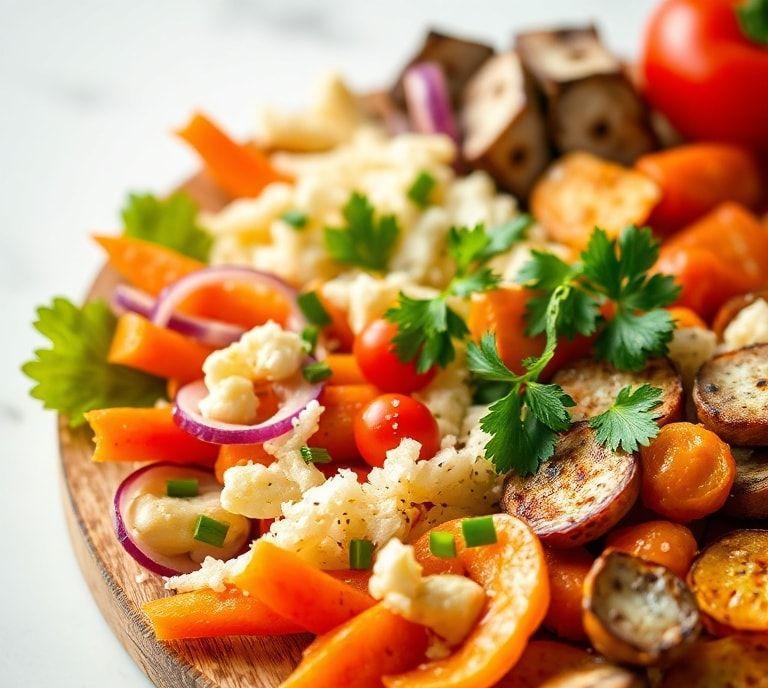
This vegetarian platter brings together the freshest produce, grains, and legumes, all nestled into one glorious dish. It’s perfect for anyone looking to eat more plant-based meals, or for those who simply enjoy eating with variety. It offers everything you need-a bit of protein, lots of fiber, healthy fats, and a rainbow of vitamins and minerals. It’s not just food; it’s a feast for your senses.
The platter I’m sharing today includes roasted vegetables, a tangy cucumber salad, creamy hummus, a side of quinoa, and a sprinkle of nuts and seeds to bring in that satisfying crunch. It’s balanced and filling, but it also leaves plenty of room for variation, depending on your preferences or what’s in season.
Ingredients Needed
Here’s what you’ll need for this hearty vegetarian platter:
- 1 medium sweet potato – Peel and cut into cubes.
- 1 cup cauliflower florets – Roasted or lightly steamed.
- 1 cup quinoa – Cooked and fluffed.
- 1 small cucumber – Sliced thinly.
- 1/2 red onion – Thinly sliced.
- 1/2 cup cherry tomatoes – Halved.
- 2 tbsp olive oil – For roasting and drizzling.
- 1/4 cup tahini – For the hummus, or store-bought if you prefer.
- 1/2 cup chickpeas – Either canned or cooked from dried.
- 2 tbsp lemon juice – Freshly squeezed.
- 2 tbsp sesame seeds – For garnish.
- A pinch of smoked paprika – For added flavor in the hummus.
- 1/4 cup nuts – I usually go for almonds or walnuts for crunch.
- 1 tsp cumin, turmeric, and coriander – To season the vegetables and quinoa.
- Salt and pepper – To taste.
Cooking Instructions
Step 1: Roasting The Vegetables
Start by preheating your oven to 400°F (200°C). While it’s heating, toss the sweet potato cubes and cauliflower florets in a bit of olive oil, salt, pepper, cumin, turmeric, and coriander. Spread them out on a baking sheet and roast for 25-30 minutes, or until golden and tender. Keep an eye on them towards the end to prevent burning.
Step 2: Cooking The Quinoa
Rinse the quinoa well under cold water to remove its natural bitterness. Cook it in a pot with double the amount of water, adding a pinch of salt. Bring it to a boil, then reduce the heat and let it simmer for about 15 minutes until the water is absorbed and the quinoa is fluffy. Fluff it with a fork and set it aside.
Step 3: Preparing The Salad
In a small bowl, toss the cucumber slices, cherry tomatoes, and red onion together. Drizzle with olive oil, lemon juice, and a pinch of salt. Set this salad aside for the flavors to meld.
Step 4: Hummus Creation
If you’re making hummus from scratch, blend your chickpeas with tahini, lemon juice, smoked paprika, and a touch of water in a food processor until smooth. Taste and adjust the seasoning with salt or extra lemon juice if needed.
Step 5: Assembling The Platter
Once all the elements are ready, it’s time to build your platter. Start with a base of quinoa, then arrange the roasted vegetables, cucumber salad, and hummus around it. Top it with a handful of nuts and seeds for crunch, and maybe a little extra drizzle of olive oil for richness.
Ingredient Science Spotlight
One of my favorite things about cooking plant-based meals is discovering the science behind the ingredients. Take quinoa, for example. It’s often called a ’superfood’ because it’s one of the few plant-based foods that contains all nine essential amino acids, making it a complete protein. This is why it’s often recommended as a protein source for vegetarians and vegans.
Roasted sweet potatoes are another hero ingredient in this dish. The complex carbohydrates in sweet potatoes digest slowly, giving you lasting energy. The high fiber content also helps support gut health and stabilize blood sugar levels. Plus, they’re loaded with beta-carotene, which gets converted into vitamin A in your body, promoting healthy skin and vision.
Tahini, the sesame paste used in the hummus, is a great source of healthy fats and minerals like calcium, iron, and magnesium. It’s one of those ingredients that might seem simple, but it packs a nutritional punch.
Expert Tips
- Balance the Textures – When assembling your platter, think about balancing textures. You want something creamy (like hummus or avocado), something crunchy (like nuts or roasted chickpeas), something soft (like roasted sweet potatoes), and something fresh (like your cucumber salad). It keeps every bite interesting.
- Customize the Flavors – Don’t hesitate to make the platter your own by experimenting with herbs and spices. If you like heat, add a sprinkle of chili flakes to your roasted veggies or hummus. Fresh herbs like parsley, cilantro, or mint can also bring an extra layer of freshness.
- Make Ahead – The beauty of a platter like this is that a lot of it can be prepped in advance. Roast the vegetables and cook the quinoa the day before, and you can quickly assemble everything when you’re ready to eat.
- Serve with a Side of Flatbread – This platter is perfect with warm pita or flatbread for dipping. It adds an extra layer of comfort and makes it feel like more of a meal.
Recipe Variations
The beauty of this platter is in its versatility. You can easily swap out the ingredients based on what you have or prefer.
- Protein – For extra protein, add roasted tofu or tempeh, or even a boiled egg if you eat them. Both are great sources of protein and will elevate the dish.
- Dressing – Try adding a yogurt-based dressing or a tahini-lemon dressing to drizzle over the top for extra richness.
- Seasonal Variations – In the fall, swap the roasted cauliflower for Brussels sprouts or butternut squash. In the summer, you might swap out the roasted vegetables for grilled zucchini or eggplant.
Final Words
This vegetarian platter is more than just a meal; it’s an experience. It encourages you to explore new flavors, mix and match textures, and embrace the bounty of the plant world. It’s the kind of dish that lets you feel good about what you’re eating, knowing you’re nourishing your body with wholesome, whole foods.
Whether you’re serving it for lunch, dinner, or as part of a larger spread, this platter is sure to leave you feeling satisfied and energized. The best part? It’s just as delicious the next day as leftovers, so you can savor it long after the last bite.
FAQs
What Ingredients Are Commonly Included In A Vegetarian Platter?
A vegetarian platter typically includes a diverse range of fresh vegetables, fruits, legumes, nuts, cheeses, and dips. Common choices are cherry tomatoes, cucumber slices, carrot sticks, bell peppers, olives, hummus, guacamole, and assorted cheeses. Roasted or grilled vegetables, fresh herbs, and whole-grain crackers or bread are often added to enhance both flavor and presentation.
How Can I Make A Vegetarian Platter Both Nutritious And Visually Appealing?
To create a nutritious and visually appealing vegetarian platter, aim for a balance of colors, textures, and food groups. Include leafy greens, brightly colored vegetables, and fruits to provide vitamins and antioxidants. Add protein-rich items such as chickpeas, lentils, nuts, or cheese. Arrange the ingredients in sections or patterns to make the platter visually inviting, and use small bowls for dips and spreads to keep the presentation neat.
Can A Vegetarian Platter Be Prepared In Advance, And How Should It Be Stored?
Yes, a vegetarian platter can be prepared in advance, ideally a few hours before serving. Wash, peel, and cut vegetables and fruits, then store them separately in airtight containers in the refrigerator to maintain freshness. Assemble the platter just before serving to prevent sogginess or wilting. Keep dips and spreads in separate bowls and cover them with plastic wrap or lids until ready to serve.