If you’ve ever found yourself staring into the refrigerator, wondering what to make for a quick yet nourishing meal, the vegetarian power bowl is your answer. Picture a vibrant medley of grains, veggies, protein, and healthy fats all packed into one bowl. Not only does it come together in minutes, but it’s a blank canvas that can be customized to your taste, dietary needs, or whatever ingredients you happen to have on hand.
I remember the first time I made a power bowl. It was a rainy day, I was feeling a bit low, and I needed something comforting but energizing. I grabbed some quinoa, roasted sweet potatoes, chickpeas, and avocado. It wasn’t gourmet, but it was an explosion of flavor and color. The moment I took that first bite, it hit me-this was my new go-to meal. Since then, I’ve played around with different combinations, and each time I create one, I feel like I’m nourishing both my body and soul.
What makes this dish so powerful is not just its flexibility or how quickly it comes together. It’s the balance of nutrients that fuels you, makes you feel alive, and keeps you satisfied for hours. So, let’s dive into creating your own version of this vegetarian masterpiece.
Vegetarian Power Bowl Recipe
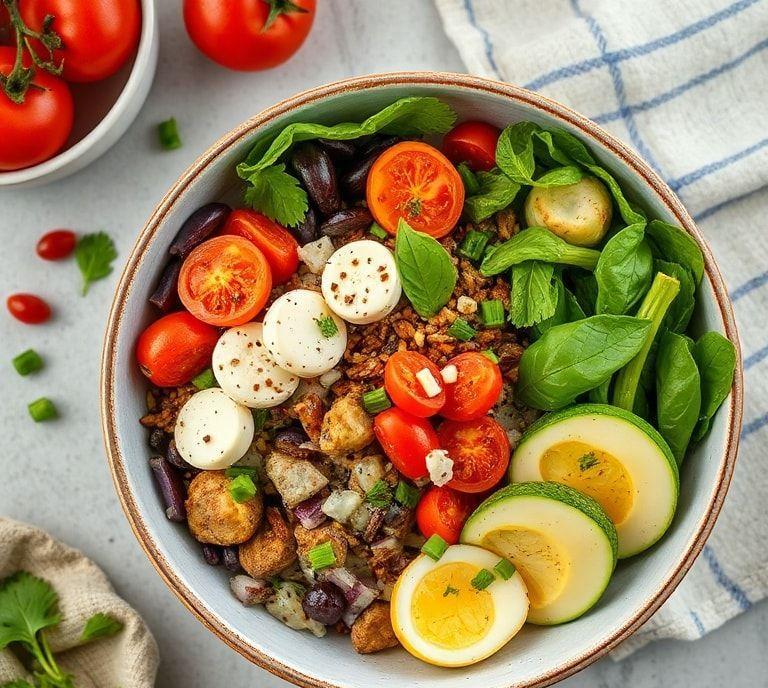
This vegetarian power bowl recipe is designed to be your base for experimentation. While it follows a simple formula, the beauty lies in the customization. You can swap ingredients, add toppings, and make it uniquely yours.
Ingredients Needed
- Base grains: 1 cup cooked quinoa or brown rice
- Roasted veggies: 1 small sweet potato, 1/2 cup cauliflower florets, 1/2 cup carrots (or any combination of your favorite veggies)
- Protein: 1/2 cup cooked chickpeas, lentils, or tempeh (for an extra protein boost)
- Healthy fats: 1/2 avocado, sliced, or a handful of nuts/seeds (like pumpkin or sunflower seeds)
- Greens: 1 cup of fresh spinach, kale, or mixed greens
- Dressing: 2 tbsp tahini or lemon-tahini dressing (or olive oil and lemon)
- Extras (optional): Sriracha or hot sauce for spice, or a sprinkle of nutritional yeast for a cheesy flavor
- Herbs/Spices: Fresh cilantro or parsley, sea salt, pepper, garlic powder, and cumin
Cooking Instructions
- Cook your grains: Begin by cooking your quinoa or rice according to the package instructions. If you’re short on time, you can use pre-cooked grains, which are a great option when you’re in a rush.
- Roast your veggies: Preheat your oven to 400°F (200°C). Chop your sweet potato into cubes and season with olive oil, salt, pepper, and cumin. Roast the sweet potato cubes along with cauliflower florets and carrots for about 20-25 minutes, or until they’re golden and tender.
- Prepare the protein: If you’re using canned chickpeas, rinse and drain them. For a more savory touch, you can sauté them in olive oil with garlic powder, cumin, and a bit of paprika. If you’re using lentils, cook them as per the package instructions. Tempeh can be pan-fried or crumbled for a “meaty” texture.
- Assemble the bowl: In a large bowl, layer your cooked grains first, followed by your roasted veggies, greens, protein, and avocado slices. Drizzle the dressing over the top.
- Add the finishing touches: Sprinkle your seeds, herbs, or any extras like hot sauce.
- Serve and enjoy: Dig in and savor every bite of the nutrient-packed goodness you just created!
Ingredient Science Spotlight
Every single ingredient in a vegetarian power bowl serves a purpose. It’s not just about putting a bunch of food in a bowl-it’s about creating a balanced, wholesome meal that fuels your body. Here’s a deeper look at some of the key components:
- Quinoa: Often called a “complete protein”, quinoa contains all nine essential amino acids, which is rare for a plant-based food. It’s also a great source of fiber, magnesium, and antioxidants.
- Sweet Potatoes: High in vitamin A (from beta-carotene), sweet potatoes are fantastic for eye health and immune function. Plus, they’re packed with fiber, helping to keep you full and satisfied.
- Chickpeas (or Lentils/Tempeh): These legumes are a great source of plant-based protein and fiber, which help maintain muscle mass and aid digestion. They also help regulate blood sugar, which is important for sustained energy.
- Avocado: A healthy fat powerhouse, avocado contains heart-healthy monounsaturated fats, as well as fiber, potassium, and vitamins C, E, and K.
- Tahini: This sesame paste is a rich source of calcium, iron, and magnesium, and it adds a creamy texture to your dressing without the need for dairy.
When combined, these ingredients not only balance each other in terms of taste, but they also support your body in numerous ways-from boosting your metabolism to promoting digestion and providing lasting energy.
Expert Tips
- Flavor layering: Don’t just rely on one flavor profile. Incorporating a mix of salty, savory, and tangy elements will elevate your bowl. Add a splash of lemon juice or a sprinkle of nutritional yeast to boost the overall flavor.
- Temperature contrast: Mixing hot roasted veggies with cool, creamy avocado creates a satisfying textural contrast that makes each bite more interesting.
- Meal prep: To save time, cook large batches of quinoa, roasted veggies, and chickpeas at the start of the week. This way, you can assemble your power bowls in minutes without cooking each component from scratch.
- Make it spicy: If you like a kick, drizzle sriracha over the top or add red pepper flakes to your dressing. A dash of spice can really bring everything together.
Recipe Variations
The beauty of a vegetarian power bowl lies in its versatility. Here are a few variations to keep your bowls exciting:
- Mediterranean Power Bowl: Use hummus as your dressing, swap quinoa for couscous or bulgur, and add olives, cherry tomatoes, and cucumber for that Mediterranean flair.
- Asian-inspired Power Bowl: Swap quinoa for brown rice, use edamame or tofu as your protein, and drizzle a soy-based dressing (sesame oil, tamari, ginger, and garlic). Top with sesame seeds and sliced scallions.
- Mexican-inspired Power Bowl: Use black beans or pinto beans for your protein, top with corn, diced tomatoes, and a squeeze of lime. Add a dollop of guacamole instead of avocado slices for a creamy texture.
- Breakfast Power Bowl: Top your grains with a poached egg, sautéed spinach, and roasted sweet potatoes. Drizzle with hot sauce and a sprinkle of nutritional yeast for a “cheesy” flavor.
Final Words
A vegetarian power bowl is the perfect way to create a wholesome meal that nourishes both your body and your taste buds. With just a few basic ingredients, you can create a dish that’s customizable, healthy, and absolutely delicious. Whether you’re a seasoned cook or a beginner in the kitchen, this recipe offers the freedom to explore flavors, textures, and combinations that suit your mood and dietary preferences.
The best part? It’s impossible to get bored. There are endless possibilities to mix and match ingredients, meaning you can create a new power bowl every week without repeating the same meal twice.
FAQs
What Ingredients Are Essential For A Balanced Vegetarian Power Bowl?
A balanced vegetarian power bowl typically includes a base of whole grains such as quinoa, brown rice, or farro; a variety of colorful vegetables like spinach, kale, bell peppers, and roasted sweet potatoes; a source of plant-based protein such as chickpeas, tofu, tempeh, or lentils; healthy fats from ingredients like avocado, nuts, or seeds; and a flavorful dressing made from olive oil, lemon juice, tahini, or yogurt.
How Can I Prepare A Vegetarian Power Bowl Quickly?
To prepare a vegetarian power bowl quickly, pre-cook or batch-cook your grains and proteins in advance, and store them in the refrigerator. Use pre-washed or pre-cut vegetables when possible. Assemble your bowl by layering the grains first, then proteins, followed by vegetables and toppings. Drizzle with a simple dressing or sauce just before serving to maintain freshness. This method allows you to create a nutritious bowl in under 15 minutes.
Can A Vegetarian Power Bowl Meet My Daily Protein Needs?
Yes, a well-planned vegetarian power bowl can provide adequate protein. Incorporating multiple plant-based protein sources like beans, lentils, tofu, tempeh, or edamame ensures a complete amino acid profile. Adding nuts, seeds, and whole grains further boosts protein content. For most adults, a single power bowl can contribute significantly to daily protein requirements, especially when combined with other protein-rich meals throughout the day.