There’s something deeply comforting about a bowl of soup, especially when it’s packed with nourishment and flavor. As someone who has spent more time than I’d like to admit experimenting with vegetarian meals (and, let’s face it, occasionally burning them), I’ve come to appreciate how a simple, hearty soup can hit the spot-both physically and emotionally. This Vegetarian Protein Soup isn’t just another soup; it’s a meal in a bowl that fills you up, satisfies your cravings, and leaves you feeling genuinely nourished.
What I love most about this recipe is that it’s versatile. You can whip it up after a long day of work, throw it together in less than an hour, and enjoy it for days. Plus, it’s a one-pot wonder-meaning fewer dishes to wash. Bonus! If you’re like me, you probably have days where the idea of cleaning up afterward seems like a much bigger task than cooking itself.
So, let’s dive into this recipe that is not just filling, but packed with plant-based protein that will keep you energized throughout the day. You’ll be surprised at how such simple ingredients can work together to create a delicious, satisfying meal.
Vegetarian Protein Soup Recipe
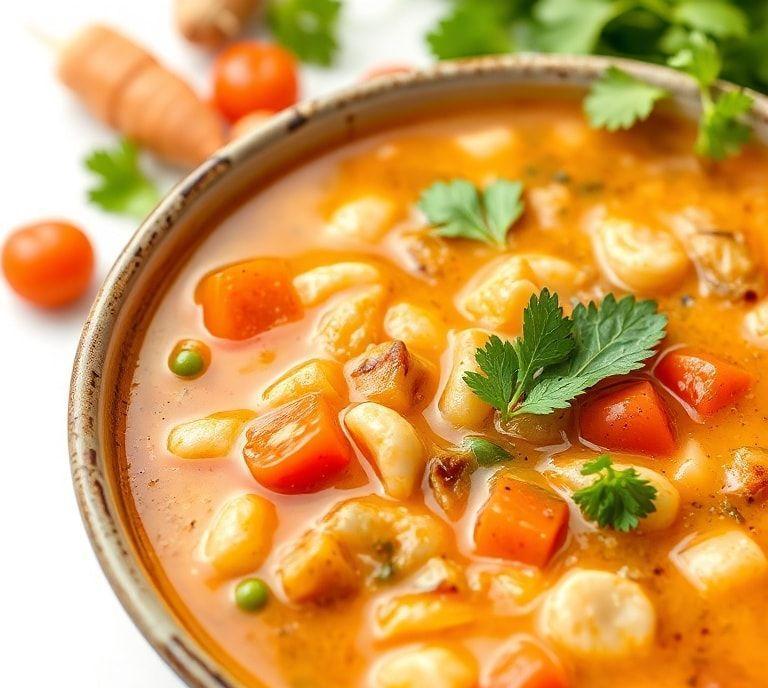
I’ve always thought that soup should be more than just a side dish. It should be a meal-a warm hug in a bowl. This Vegetarian Protein Soup recipe does exactly that. It’s a complete meal that includes a variety of plant-based protein sources like lentils, chickpeas, and quinoa, which together make this soup hearty and satisfying.
It’s also a fantastic option if you’re looking for something easy, nutritious, and filling, whether you’re vegan, vegetarian, or just trying to add more plant-based meals into your routine. The beauty of this recipe is that it’s loaded with fiber, vitamins, and minerals, while also giving you a healthy dose of protein to keep you full longer.
Ingredients Needed
Here’s what you’ll need for the soup (don’t worry-most of these ingredients are pantry staples, so you won’t have to run to the store for something special):
- 1 tablespoon olive oil: The base for sautéing your veggies. You could also use coconut oil or avocado oil if you prefer.
- 1 onion, chopped: Onion is the foundation for most soups and stews, giving it that deep, savory flavor.
- 2 cloves garlic, minced: You really can’t have soup without garlic. It’s the aromatic magic that ties everything together.
- 2 carrots, peeled and diced: These add a little sweetness and crunch to the soup, balancing out the savory flavors.
- 1 zucchini, chopped: Zucchini is mild but absorbs the flavors around it, making it a perfect addition to soups.
- 1 cup dried red lentils: Lentils are a great source of plant-based protein, and they break down nicely to thicken the soup.
- 1 cup cooked chickpeas: Chickpeas provide extra protein and a hearty texture.
- 1/2 cup quinoa, rinsed: Quinoa is another protein-packed addition that gives the soup some extra body and texture.
- 4 cups vegetable broth: This forms the heart of your soup’s liquid. Homemade broth is great if you have it, but store-bought works just fine.
- 1 teaspoon ground cumin: Cumin adds a warm, earthy flavor that pairs wonderfully with the other spices in this soup.
- 1 teaspoon smoked paprika: The smoked paprika gives the soup a deep, slightly smoky flavor that adds complexity.
- 1/2 teaspoon turmeric: This golden spice not only gives the soup a vibrant color but is also known for its anti-inflammatory properties.
- Salt and pepper: To taste. I tend to err on the side of generous with the salt, especially if using a low-sodium broth.
- 1 cup spinach or kale, chopped: This is the part where we sneak in some greens for extra nutrients.
- Fresh parsley or cilantro (optional): For garnish. A little fresh herb goes a long way in brightening up the soup.
Cooking Instructions
Now, for the fun part. The actual cooking.
- Heat the oil: In a large pot, heat the olive oil over medium heat. Once hot, add the chopped onion and garlic. Sauté them for about 4-5 minutes until they’re soft and fragrant.
- Add the carrots and zucchini: Stir in the diced carrots and zucchini. Let them cook for about 5 minutes, stirring occasionally, until they start to soften.
- Add the lentils, chickpeas, and quinoa: Now it’s time to add the plant-powered protein! Stir in the lentils, chickpeas, and quinoa. Give them a good mix with the vegetables.
- Add the spices: Sprinkle in the cumin, smoked paprika, and turmeric. Stir everything together to coat the veggies and lentils with the spices. This step helps release the essential oils from the spices, making the flavor richer.
- Pour in the broth: Add the vegetable broth and bring the mixture to a boil. Once boiling, reduce the heat and let it simmer for about 25-30 minutes, or until the lentils and quinoa are cooked through and tender. You’ll want to check the soup and stir occasionally to make sure it’s not sticking to the bottom.
- Add the greens: Once the soup is nice and thick and everything is cooked, stir in the spinach or kale. Let it cook for just a couple of minutes until the greens are wilted.
- Season to taste: Taste the soup and add salt and pepper as needed. If you like a little more spice, feel free to add a pinch of cayenne or extra paprika.
- Serve: Ladle the soup into bowls, garnish with fresh herbs (if using), and enjoy the warm comfort of this hearty, protein-packed dish.
Ingredient Science Spotlight
One of the things I love most about this soup is how each ingredient plays a role not only in flavor but in providing essential nutrients.
- Lentils: These tiny powerhouses are an excellent source of plant-based protein and fiber. They’re also packed with folate, iron, and magnesium. Lentils absorb the flavors of the soup and break down to create a creamy texture.
- Chickpeas: Another protein-packed ingredient, chickpeas are rich in fiber and help balance blood sugar levels, making them perfect for keeping hunger at bay. They also bring a wonderful heartiness to the soup.
- Quinoa: Often touted as a superfood, quinoa contains all nine essential amino acids, which makes it a complete protein. It’s also high in antioxidants and a good source of magnesium and potassium.
- Spinach or Kale: These leafy greens are bursting with vitamins A, C, and K. Kale is especially high in calcium, while spinach is rich in iron, which is perfect if you’re on a plant-based diet.
Expert Tips
- Double the batch: This recipe makes great leftovers, so don’t hesitate to make a big batch. It keeps well in the fridge for up to 4 days and freezes beautifully for a future meal.
- Experiment with spices: While I’ve kept it simple here, you could add a cinnamon stick for a touch of warmth or even a splash of lemon juice at the end for a fresh, zesty kick.
- Texture adjustments: If you prefer a smoother soup, use an immersion blender to puree part of the soup after it’s finished cooking. You’ll get a creamier texture while keeping the integrity of the protein-rich ingredients.
Recipe Variations
Like all great recipes, this one is a canvas for your creativity. Here are some fun variations you could try:
- Add some heat: If you’re into spicy food, try adding diced jalapeños or a pinch of red pepper flakes during the cooking process.
- Make it creamy: For a richer texture, stir in a splash of coconut milk or a couple of tablespoons of tahini toward the end of cooking. This will give the soup a creamy, velvety finish.
- Try different beans: If chickpeas aren’t your thing, you could easily swap them out for white beans, kidney beans, or black beans.
Final Words
This Vegetarian Protein Soup isn’t just another soup to add to your recipe box. It’s an invitation to embrace the power of plant-based eating without sacrificing taste or satisfaction. It’s versatile, customizable, and packed with nutrients that keep you feeling full and energized. And let’s be real-there’s something incredibly satisfying about making a pot of soup from scratch, especially when it’s so easy to make and perfect for busy days.
FAQs
What Are Some High-protein Ingredients To Include In A Vegetarian Protein Soup?
To maximize protein content in a vegetarian soup, consider adding legumes like lentils, chickpeas, black beans, or kidney beans. Tofu, tempeh, and edamame are excellent soy-based protein sources. Whole grains such as quinoa, barley, or farro also contribute protein while adding texture. For additional protein boost, nuts and seeds like pumpkin seeds, sunflower seeds, or slivered almonds can be sprinkled on top before serving.
How Can I Make A Vegetarian Protein Soup More Flavorful Without Using Meat?
Flavorful vegetarian soups rely on layering tastes using aromatic vegetables, herbs, and spices. Start by sautéing onions, garlic, celery, and carrots to create a rich base. Use vegetable broth rather than water for depth of flavor. Incorporate herbs like thyme, rosemary, or bay leaves and spices such as cumin, smoked paprika, or turmeric. Adding a splash of soy sauce, miso paste, or nutritional yeast can enhance umami, giving the soup a satisfying savory taste even without meat.
Can I Prepare Vegetarian Protein Soup In Advance And Store It Safely?
Yes, vegetarian protein soups generally store well and often taste better after the flavors meld. Allow the soup to cool to room temperature, then transfer it to airtight containers. It can be stored in the refrigerator for up to 4-5 days. For longer storage, freeze the soup in individual portions for 2-3 months. When reheating, stir well and add a small amount of water or broth if the soup has thickened during storage.