There’s something incredibly comforting about a bowl of ramen. It’s a dish that effortlessly brings people together-whether it’s shared around the table after a long day or savored in solitude with a cup of tea on the side. But while the heart of ramen lies in its broth and noodles, one often-overlooked hero is the seasoning. This humble, flavorful blend can elevate the entire bowl, turning a simple meal into an unforgettable experience.
I’ve always had a thing for ramen seasoning. Growing up, I remember watching my grandmother cook, carefully preparing her own spice mix for everything from soups to stir-fries. She believed in the power of the perfect seasoning, and I guess you could say I inherited that philosophy. Over time, I started experimenting with my own blends, tweaking and testing ingredients, and before I knew it, I had a vegetarian ramen seasoning recipe that I could confidently say was as satisfying as any meaty broth could ever be.
In this guide, I’ll walk you through the recipe, its ingredients, the science behind some of them, and even some variations that you can try when you’re feeling a little adventurous in the kitchen. Trust me-once you make this seasoning, you’ll never look at a ramen packet the same way again.
Vegetarian Ramen Seasoning Recipe
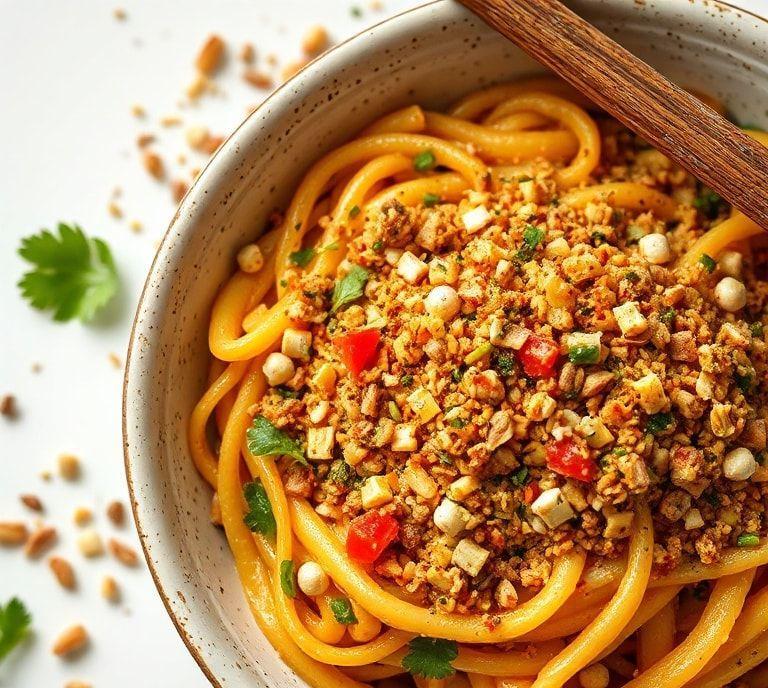
Now, let’s dive into the good stuff. This vegetarian ramen seasoning recipe is simple, aromatic, and packed with flavor. It can be mixed up in a matter of minutes and stored for later use-perfect for those busy days when you need a quick meal that doesn’t compromise on taste. This seasoning blend is versatile enough to use in your ramen, but also great sprinkled over stir-fried veggies or even used as a base for salad dressings.
Ingredients Needed
To make this seasoning, you don’t need a bunch of obscure ingredients. These are things you can find in most pantries, and if you don’t have one or two, they’re easy to replace with alternatives. Here’s the lineup:
-
Miso Paste (2 Tablespoons)
Miso is the cornerstone of the seasoning. It’s rich, salty, and brings a deep umami flavor that’s hard to replicate. I personally love using white miso because of its smoother, slightly sweet taste, but if you prefer a bolder flavor, feel free to use red miso.
-
Soy Sauce (2 Tablespoons)
Soy sauce gives that savory punch. A lot of recipes call for salt, but the richness of soy sauce adds complexity and depth.
-
Toasted Sesame Oil (1 Tablespoon)
This one’s special. Toasted sesame oil has that nutty, smoky flavor that makes every bite more interesting. It’s the kind of ingredient that you add, and suddenly everything tastes better.
-
Garlic Powder (1 Teaspoon)
Garlic is a must in any seasoning mix. You could go the fresh garlic route, but garlic powder provides a more concentrated, mellow flavor that doesn’t overpower the dish.
-
Ginger Powder (1 Teaspoon)
The zing of ginger is essential here. It lifts the other flavors and adds a bit of warmth without being too sharp.
-
Chili Flakes (1/2 Teaspoon)
Ramen seasoning should have some heat, right? But you don’t want it to be so spicy that you can’t enjoy the rest of the flavors. A pinch of chili flakes gives just the right balance of heat without overwhelming the taste buds.
-
Sugar (1 Teaspoon)
A touch of sugar balances the salty, savory components of the seasoning, creating a well-rounded profile. Don’t skip this one-it makes a difference.
-
Dried Seaweed (Optional, For Garnish)
If you want to go the extra mile, sprinkle a little dried seaweed on top of your ramen once it’s cooked. It adds a burst of color and texture, as well as a hint of oceanic freshness.
Cooking Instructions
-
Mix The Ingredients
In a small bowl, combine the miso paste, soy sauce, sesame oil, garlic powder, ginger powder, chili flakes, and sugar. Stir until everything is well incorporated into a smooth, paste-like consistency. If you prefer a drier seasoning blend, you can skip the soy sauce and sesame oil, and use a little bit of water or vegetable broth to get the paste-like texture.
-
Store For Later
If you’re not using the seasoning immediately, transfer it into an airtight container and store it in the fridge. This can stay fresh for up to a week. Just make sure to give it a good stir before using it, as it may separate a bit over time.
-
Use It In Your Ramen
When you’re ready to make your ramen, just add about 1 to 2 tablespoons of the seasoning to your hot broth, depending on how strong you like your flavors. Stir it in well, and your broth will instantly come alive.
-
Finish With Toppings
Top your ramen with your favorite vegetables, tofu, soft-boiled egg, or a sprinkle of sesame seeds and dried seaweed for a truly satisfying meal.
Ingredient Science Spotlight
Now, I know what you’re thinking-’This is just a bunch of spices and condiments mixed together, how complicated could it be?’ But there’s actually some interesting science happening here. Let’s break down why each ingredient plays a crucial role:
- Miso Paste: This is where the magic of umami comes from. Umami is one of the five basic tastes (alongside sweet, sour, salty, and bitter), and it’s often described as the ’savory’ flavor. Miso, being a fermented food, is packed with glutamates, which are responsible for that rich, savory flavor that makes food taste “full” and satisfying. It’s also a natural source of probiotics, which are good for gut health.
- Soy Sauce: Soy sauce brings salty umami to the table. But it’s not just saltiness; it also contains amino acids like glutamine, which enhances the depth of the flavor, adding that complexity you crave in good ramen.
- Sesame Oil: Toasted sesame oil is loaded with aromatic compounds that infuse the dish with an unmistakable nutty scent. The slight smokiness comes from the process of toasting the sesame seeds before pressing them into oil, creating those rich, complex flavors.
- Garlic & Ginger: Both garlic and ginger contain compounds that help activate the taste buds. Garlic has allicin, which is known for its antimicrobial properties and heart-health benefits, while ginger contains gingerol, an antioxidant and anti-inflammatory compound that contributes to that warm, zingy kick.
- Chili Flakes: The heat from chili comes from capsaicin, a compound that triggers a pain response in the body, which then releases endorphins, making you feel good even though your mouth is on fire. But chili also plays a role in balancing the richness of the miso and sesame oil, providing contrast to the fatty, savory flavors.
Expert Tips
-
Balance Is Key
The secret to the perfect ramen seasoning is balance. If your seasoning ends up too salty, add a bit more sugar or miso. If it’s too sweet, increase the soy sauce or chili flakes.
-
Experiment With Broth
If you want to take your ramen to the next level, try infusing your broth with a few extra ingredients like dried shiitake mushrooms or kombu (dried seaweed). These will boost the umami even more.
-
Freshness Matters
While the seasoning is the star, fresh toppings like sliced scallions, mushrooms, or a soft-boiled egg add so much texture and flavor. Don’t skip them!
-
Make It Ahead
This seasoning keeps really well in the fridge, so why not make a big batch and have it on hand for quick meals? It’s one of those things that’s so much better when you can grab it quickly and get dinner on the table in a snap.
Recipe Variations
- Miso-Free Version: If you’re allergic to soy or prefer a miso-free version, try replacing the miso paste with tahini or peanut butter for a creamy, nutty flavor.
- Spicy Garlic Lovers: If you really like the heat, increase the chili flakes or add a touch of sriracha or chili paste to the seasoning.
- Herb-Infused: If you enjoy herbal notes, you can toss in dried basil, thyme, or even lemongrass. Just be mindful of not overwhelming the other flavors.
- Nutty Twist: For an extra nutty kick, add a tablespoon of ground peanuts or almond meal to the mix. It’ll bring a new depth and texture to your broth.
Final Words
When it comes down to it, ramen is a dish that’s built on flavors that are greater than the sum of their parts. While the broth and noodles are important, a well-seasoned bowl can truly elevate your meal. This vegetarian ramen seasoning is the perfect blend of savory, umami, spicy, and sweet, with the right balance of flavors that will make you fall in love with ramen all over again. And, bonus: it’s vegetarian, so everyone can enjoy it!
FAQs
What Are The Key Ingredients In A Vegetarian Ramen Seasoning Recipe?
A basic vegetarian ramen seasoning typically includes soy sauce or tamari for umami, miso paste for depth and richness, garlic and ginger for aromatics, and sesame oil for a nutty flavor. Additionally, vegetable broth or water is used to form the base, while ingredients like chili paste, rice vinegar, and mirin can be added for sweetness and spice, depending on the recipe.
Can I Customize A Vegetarian Ramen Seasoning Recipe To Suit My Dietary Needs?
Yes, vegetarian ramen seasoning is highly customizable. For gluten-free versions, opt for tamari instead of soy sauce and check for gluten-free miso. To reduce sodium, you can use low-sodium soy sauce and omit or reduce salt. If you’re looking for a vegan option, make sure your miso paste and any other seasonings are free from animal-derived ingredients like dashi (which is often made from fish).
How Do I Adjust The Flavor Profile Of My Vegetarian Ramen Seasoning?
To adjust the flavor profile of your ramen seasoning, consider balancing salty, sweet, spicy, and umami elements. For saltiness, use soy sauce or miso; for sweetness, try adding a touch of mirin or sugar. If you want more heat, incorporate chili oil, sriracha, or a pinch of red pepper flakes. To boost umami, add a bit of dried shiitake mushroom powder or nutritional yeast. You can also experiment with acid by adding rice vinegar or lemon juice to create a more complex, tangy profile.