Ramen-it’s one of those dishes that can truly comfort you on a rainy day or after a long week. Whether you’re a college student grabbing a quick bite or a seasoned chef trying to create something special at home, there’s always room for a bowl of ramen in life. But if you’re like me, you’ve probably spent too many nights slurping down the instant stuff, wondering how it could ever measure up to the rich, flavorful ramen from a favorite restaurant.
But then, one day, it clicks: you can make ramen that’s just as satisfying, if not better, right in your own kitchen. You just need the right ingredients and the right technique. I’ve been experimenting with a vegetarian ramen recipe for years, and after a lot of trial and error, I finally landed on something that really hits the spot. This version combines the deep umami flavors of a rich broth with a spicy kick that’ll leave you reaching for another bowl.
If you’re into spicy food, veggie-forward dishes, or just love ramen but want to try something different, this vegetarian ramen spicy recipe might become your new go-to. So grab your apron, get your ingredients ready, and let’s dive into the comforting world of homemade ramen!
Vegetarian Ramen Spicy Recipe
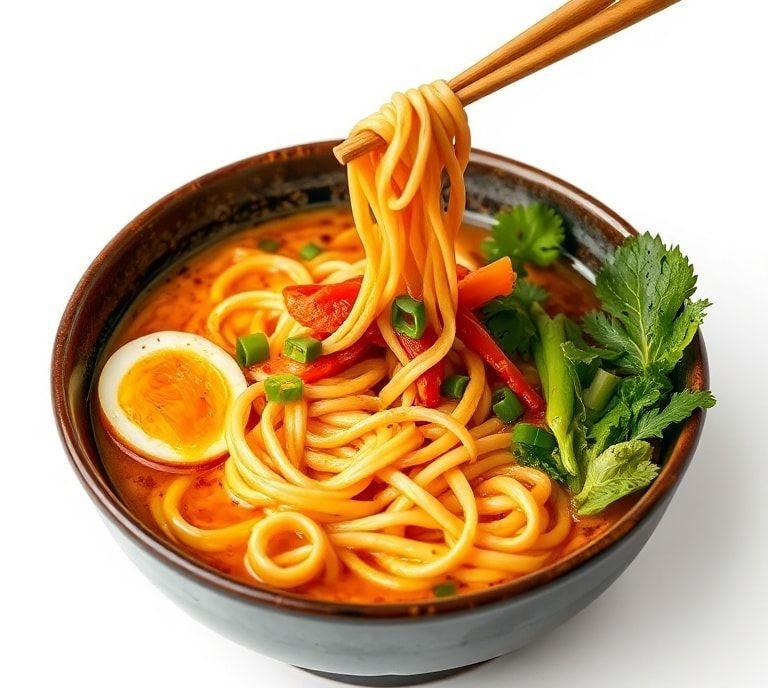
This vegetarian spicy ramen recipe has layers of heat, umami, and savory goodness that’ll have you hooked after the first bite. The heat from the chili oil and the richness of the miso-based broth create a balance that’s both spicy and comforting. It’s the kind of dish that has depth, not just a blast of heat, and that’s what makes it so satisfying.
Ingredients Needed
Before diving into the kitchen, let’s talk about the ingredients. You’ll need a good mix of pantry staples and fresh vegetables. I remember the first time I made this, I found myself on a scavenger hunt for miso paste in the grocery store, not realizing it would be tucked away in the refrigerated section. Now that I’ve made it a few times, I can tell you exactly what you need to create that rich, flavorful broth and spicy kick.
For The Broth
- Vegetable broth (4 cups) – The base of our soup. Opt for low-sodium, because you can always adjust the salt later.
- Miso paste (3 tablespoons) – This adds that deep umami flavor. White miso works well for a lighter, slightly sweet profile, while red miso gives it more intensity.
- Soy sauce (1 tablespoon) – To balance out the miso and add some savory depth.
- Sesame oil (1 tablespoon) – For a nutty, aromatic richness.
- Chili paste (1-2 tablespoons) – Adjust based on your heat preference! This is the star of the spicy element.
- Ginger (1-inch piece, grated) – Fresh ginger adds a nice zing to the broth.
- Garlic (2 cloves, minced) – Garlic makes everything better.
Toppings
- Ramen noodles (2 servings) – Fresh or dried. I like fresh, but you can use any kind of ramen noodle that fits your taste.
- Soft-boiled eggs (2, optional) – I’m a firm believer that no bowl of ramen is complete without a perfectly soft-boiled egg.
- Spinach or bok choy (1 cup) – For a green pop of freshness.
- Green onions (2 stalks, sliced) – For crunch and sharpness.
- Tofu (½ block, cubed) – Firm tofu holds up well in ramen, adding protein and texture.
- Sesame seeds (1 tablespoon) – For garnish.
Cooking Instructions
Now that we’ve gathered everything, let’s get cooking. I remember the first time I attempted this dish, my kitchen turned into a bit of a mess, but the reward was so worth it. The process is pretty straightforward, but each step builds on the last to create a flavorful bowl that feels more like an art than a recipe.
- Start the broth: In a large pot, heat the sesame oil over medium heat. Add the grated ginger and minced garlic, sautéing until fragrant. This is where the magic happens-those smells will instantly transport you to a cozy ramen shop.
- Add the miso and chili paste: Stir in the miso paste and chili paste, letting them dissolve into the oil for a minute or two. You’ll notice the paste thicken a bit as it heats up. Pour in the vegetable broth and soy sauce, bringing everything to a simmer. Let it cook for about 10 minutes so the flavors meld together.
- Cook the ramen noodles: While the broth is simmering, cook your ramen noodles according to the package instructions. Fresh noodles usually take around 2-3 minutes. Drain and set aside.
- Prepare the toppings: Slice the tofu into cubes and pan-fry it lightly in a separate pan until golden brown on all sides. Soft-boil your eggs if using. To do this, bring a pot of water to a boil, add the eggs, and cook for 6-7 minutes. Remove them, cool under cold water, and peel.
- Assemble the bowl: Divide the cooked noodles between two bowls. Pour the hot broth over the noodles. Top with tofu, a soft-boiled egg, spinach or bok choy, sliced green onions, and a sprinkle of sesame seeds. For extra heat, drizzle some additional chili paste or chili oil on top.
- Serve: Dig in while it’s hot! The combination of spicy broth, tender noodles, and the rich toppings makes each bite something to savor.
Ingredient Science Spotlight
Every ingredient in this recipe plays a crucial role in building the complex flavor profile of the ramen. Let’s dive into the science behind a few of the key components:
- Miso Paste: Miso is made by fermenting soybeans with salt and a mold called Aspergillus oryzae. The fermentation process breaks down the soybeans into amino acids, giving miso its umami-rich taste. This makes it a great base for ramen broth, providing a deep savory flavor without the need for meat.
- Chili Paste and Chili Oil: The heat from chili peppers comes from capsaicin, a compound that triggers pain receptors in your mouth, which your body then interprets as heat. Interestingly, capsaicin also boosts endorphin production, which is why spicy foods can give you that pleasant burn that leaves you craving more.
- Tofu: Tofu is made from soybeans, and its smooth texture is a perfect contrast to the chewy ramen noodles. The tofu absorbs the broth, making every bite a balance of spicy soup and creamy tofu.
Expert Tips
- Adjust the spice: If you’re not used to a lot of heat, start with less chili paste. You can always add more as you taste the broth. For an even milder version, substitute chili paste with sriracha sauce.
- Noodles make a difference: While instant ramen noodles can be a quick fix, using fresh ramen noodles really takes the dish to the next level. If you can find them, grab some fresh ones at your local Asian market or even an online grocery store.
- Umami Boost: If you want to make the broth even richer, you can add a tablespoon of nutritional yeast or a splash of tamari (for a gluten-free option) to boost that savory umami flavor.
Recipe Variations
As much as I love this spicy vegetarian ramen, there are a few ways to make it your own, depending on what you have available or your flavor preferences:
- Add Mushrooms: Shiitake mushrooms are often used in ramen for their earthy flavor. If you want a more complex broth, add a handful of these or any mushrooms you like.
- Swap Tofu for Tempeh: If you’re into tempeh, it’s a great protein-packed option that brings a nuttier flavor to the dish.
- Veggie Options: You can swap spinach or bok choy for other greens like kale, chard, or even a handful of baby arugula. For extra crunch, add bean sprouts or thinly sliced radishes as a topping.
- Add Peanut Butter: A spoonful of peanut butter swirled into the broth adds a silky texture and a subtle nutty sweetness that balances the heat.
Final Words
This vegetarian spicy ramen recipe has become one of my favorites not only for its vibrant flavors but for how customizable it is. Whether you’re craving something hot and comforting after a long day or want to impress friends with a homemade ramen experience, this recipe is sure to hit the mark. Plus, there’s something incredibly satisfying about creating a bowl of ramen that’s as good as what you’d find in a restaurant, if not better.
FAQs
What Are The Essential Ingredients For A Vegetarian Spicy Ramen?
The essential ingredients for a vegetarian spicy ramen include vegetable broth (or miso broth), ramen noodles (fresh or dried), soy sauce, sesame oil, chili paste or chili oil for spice, garlic, ginger, and a variety of vegetables like mushrooms, spinach, bok choy, and carrots. For added richness and spice, you can also use gochujang (Korean chili paste) or sriracha. Toppings such as soft-boiled eggs (optional for vegetarians), tofu, or seaweed can enhance the dish.
How Can I Adjust The Spice Level In Vegetarian Spicy Ramen?
To adjust the spice level, you can modify the amount of chili paste, sriracha, or chili oil used in the recipe. For a milder version, start with a small amount and gradually increase to taste. Alternatively, you can balance the heat by adding a little bit of sugar or coconut milk to mellow out the spice. For a spicier kick, try incorporating fresh chopped chili peppers, or use a spicier chili paste like gochujang or sambal oelek.
Can I Make The Vegetarian Ramen Spicy Recipe Ahead Of Time?
Yes, you can make the base of the vegetarian ramen (the broth and noodles) ahead of time. Store the broth in an airtight container in the refrigerator for up to 3-4 days. When ready to serve, reheat the broth and cook the noodles fresh to maintain their texture. Toppings like vegetables, tofu, and soft-boiled eggs can also be prepared in advance, but it’s best to add them just before serving to preserve their freshness and flavor.