There’s something deeply satisfying about creating a meal that’s comforting, flavorful, and surprisingly easy to make. Rigatoni pasta-those large, ridged tubes-seem almost made for a meal that hits all the right notes: hearty, rich, and satisfying. When you add the vegetarian spin to it, you get a dish that is not only light but packed with fresh, vibrant flavors. And what’s even better? You can play around with the ingredients depending on what’s in season or what you’ve got in the pantry. It’s one of those meals that makes you feel like a chef, yet doesn’t require hours in the kitchen.
So let’s take a deep dive into making a vegetarian rigatoni that feels like home, one bite at a time.
Vegetarian Rigatoni Pasta Recipe
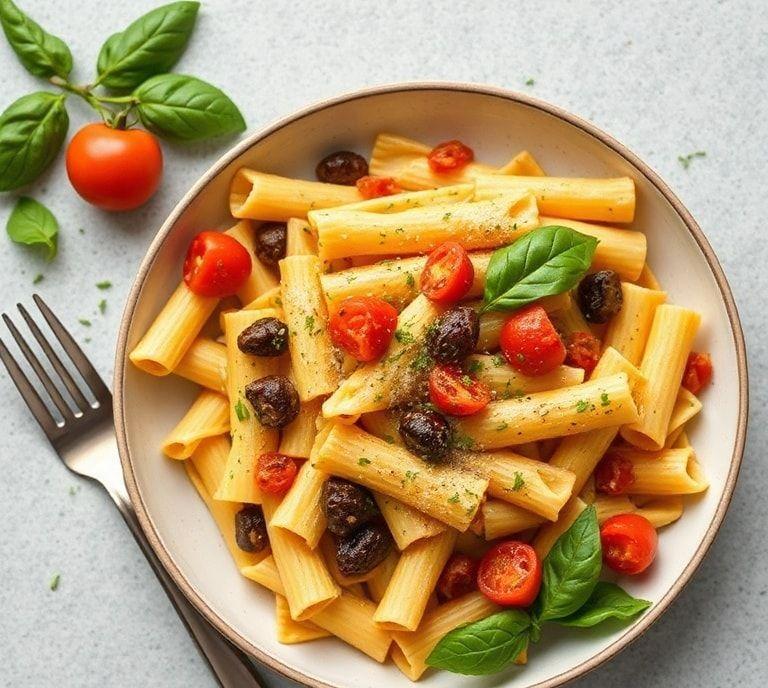
I can still remember the first time I made this dish. It was a chilly evening, and I had just come back from a long day of errands. I opened the fridge, stared at the vegetables lined up like soldiers, and thought, “How can I turn this into something exciting”? That’s when it hit me-rigatoni! I had a big box of it, and all these vibrant veggies, so why not combine them into a cozy, warming dish? A dash of this, a sprinkle of that, and before I knew it, I had a bowl of pasta that was both nourishing and delicious. Here’s the recipe I’ve refined since that first batch:
Ingredients Needed
The beauty of this recipe lies in how flexible the ingredients are. The key players are:
- Rigatoni pasta (1 pound): The sturdy, ridged nature of rigatoni ensures it holds up well with the sauce, giving each bite a satisfying texture.
- Olive oil (2 tablespoons): Extra virgin is always the best choice for flavor. It brings a richness to the dish that makes everything feel more indulgent.
- Onion (1 medium, finely chopped): This adds a subtle sweetness when sautéed, forming the base of your sauce.
- Garlic (3 cloves, minced): Garlic is a game-changer-fragrant and savory, it elevates everything it touches.
- Bell peppers (2, chopped): I like to use a mix of red and yellow peppers for both the color and the sweetness they bring.
- Zucchini (1 medium, sliced): Zucchini adds a mild, almost buttery flavor that soaks up the sauce beautifully.
- Spinach (4 cups, fresh): Fresh spinach wilts down nicely, offering a nutritious green that lightens the dish.
- Canned diced tomatoes (1 can, 14.5 oz): For that rich tomato base, packed with umami and tang.
- Tomato paste (2 tablespoons): Adds depth to the sauce, thickening it and concentrating that tomato flavor.
- Dried oregano (1 teaspoon): A classic herb for pasta-earthy and aromatic.
- Red pepper flakes (1/4 teaspoon, optional): If you like a little heat, this will do the trick without overwhelming the dish.
- Parmesan cheese (1/2 cup, grated, for garnish): For that final touch of savory goodness. If you’re keeping it vegetarian but not vegan, this is a must!
Cooking Instructions
- Prep the Pasta: Begin by boiling a large pot of salted water. Once it’s boiling, add the rigatoni and cook according to the package instructions, usually around 10-12 minutes, until al dente. Drain and set aside, reserving a cup of pasta water.
- Cook the Vegetables: While the pasta cooks, heat olive oil in a large skillet over medium heat. Add the chopped onion and sauté for 3-4 minutes until soft and golden. Add the garlic, bell peppers, and zucchini, and cook for another 5-7 minutes, until everything starts to soften and take on some color.
- Build the Sauce: Stir in the diced tomatoes, tomato paste, oregano, and red pepper flakes. Let it simmer for about 10 minutes, allowing the flavors to meld together and the sauce to thicken. If it gets too thick, add a little pasta water to reach your desired consistency.
- Add the Spinach: Fold in the fresh spinach and cook for another 2-3 minutes, until it wilts down.
- Combine: Toss the cooked rigatoni into the skillet with the sauce. Stir everything together, adding a bit of pasta water if needed to help coat the pasta evenly. Let everything heat through, and then remove from the heat.
- Serve: Serve the pasta in bowls, garnished with freshly grated Parmesan and a sprinkle of cracked black pepper. You can also drizzle a little more olive oil over the top for extra richness if you like.
Ingredient Science Spotlight
Now, let’s break down a few key ingredients and explore why they work so well together. It’s not just about throwing things into a pot-there’s some interesting science going on!
- Olive Oil: This heart-healthy fat does more than just add richness to the dish. It’s packed with antioxidants like polyphenols, which can actually reduce inflammation and boost your health. Plus, it helps to carry the flavors of the garlic and herbs through the dish.
- Zucchini: Zucchini has a high water content, which is why it absorbs flavors so beautifully. When cooked, it softens and releases moisture, blending into the sauce and creating a silky texture that enhances the overall mouthfeel.
- Spinach: Spinach is loaded with vitamins A, C, and K, and is an excellent source of iron. When it wilts in the hot pan, it releases oxalates, which bind with calcium to prevent mineral imbalance, allowing the body to better absorb nutrients. Plus, its earthy flavor pairs perfectly with the richness of the tomato sauce.
- Tomatoes & Tomato Paste: Tomatoes are rich in lycopene, an antioxidant that has been linked to various health benefits, including heart health. The tomato paste, on the other hand, is highly concentrated and brings a deeper, sweeter tomato flavor to the dish. It’s like the secret weapon that makes the sauce so irresistibly good.
Expert Tips
- Don’t Overcook the Vegetables: It can be tempting to cook everything until it’s super soft, but the key to a great vegetable medley is keeping a little bite in your peppers and zucchini. This adds texture and balance to the dish.
- Save Some Pasta Water: Always reserve a little pasta water before draining the rigatoni. The starchy water is perfect for loosening up the sauce and making it cling to the pasta better.
- Customize the Heat: If you’re not into spice, you can skip the red pepper flakes, or just use a tiny pinch. If you love a kick, feel free to double the amount!
- Fresh Herbs Add Freshness: Fresh basil or thyme can be added to the sauce toward the end of cooking to add an extra layer of brightness.
Recipe Variations
One of the best things about this dish is how adaptable it is. Here are a few variations you can try:
- Swap the Veggies: Don’t have zucchini? Try mushrooms or eggplant for a similar texture. Broccoli or roasted cauliflower also work well.
- Add Protein: Want to make it more filling? Add cooked chickpeas, lentils, or even some sautéed tofu to the mix. For a more traditional touch, some ricotta or mozzarella could make the dish extra creamy.
- Switch Up the Sauce: If you’re not feeling tomato-based, you can go for a creamy sauce with a little ricotta or heavy cream, or even a pesto sauce if you have fresh basil on hand.
- Vegan Version: Skip the Parmesan, or try a vegan alternative. Nutritional yeast adds a cheesy flavor without the dairy.
Final Words
Pasta is a beautiful thing. It’s a blank canvas that invites you to play, to experiment, and to make it your own. And this vegetarian rigatoni is one of those dishes that gives you plenty of room to work with, but also delivers comfort and flavor from the first bite. Whether you’re cooking for yourself after a busy day or hosting friends for dinner, this dish is sure to please everyone around the table.
FAQs
What Vegetables Can I Use In A Vegetarian Rigatoni Pasta Recipe?
You can use a variety of vegetables such as bell peppers, zucchini, mushrooms, spinach, tomatoes, and eggplant. Roasting or sautéing these vegetables brings out their natural flavors and adds depth to the dish.
Can I Make Vegetarian Rigatoni Pasta Ahead Of Time?
Yes, you can prepare the vegetarian rigatoni pasta ahead of time. Cook the pasta and vegetables, then store them separately in airtight containers. When ready to serve, simply combine them with the sauce and reheat. You can also freeze the prepared dish, though the pasta may absorb some sauce and lose some texture after freezing.
What Kind Of Sauce Pairs Best With Vegetarian Rigatoni?
A variety of sauces can pair well with vegetarian rigatoni pasta. Some popular options include marinara sauce, pesto, garlic and olive oil, or a creamy béchamel sauce. For a richer flavor, you could also try a roasted tomato sauce or a spicy arrabbiata sauce, depending on your preference.