You know, there’s something truly magical about food that makes you feel a sense of home. A well-cooked meal can instantly transport you to a place of warmth, even if it’s your first time tasting it. And that’s how I feel about this vegetarian salmon recipe. If you’ve ever wondered if it’s possible to create a plant-based version of a beloved dish without losing any of the depth or richness, this is for you. Whether you’re a full-fledged vegetarian, dabbling in a plant-based lifestyle, or just someone curious about reducing their animal product intake, this recipe will have you coming back for more.
I’ve always been a fan of salmon – the way it pairs so well with everything from delicate herbs to bold spices. But over the years, I’ve realized that the real secret to great food is in the love and creativity you pour into it. I wanted to make something that held all the flavors and textures of a classic salmon dish but without the fish. After many trials (and a few not-so-perfect attempts!), I found the perfect balance, and I’m excited to share it with you.
This vegetarian salmon might not come from the sea, but it’s packed with all the savory, flaky texture and smoky flavor that makes it irresistible. It’s satisfying, fresh, and surprisingly easy to make. Ready to dive in? Let’s do this.
Vegetarian Salmon Recipe
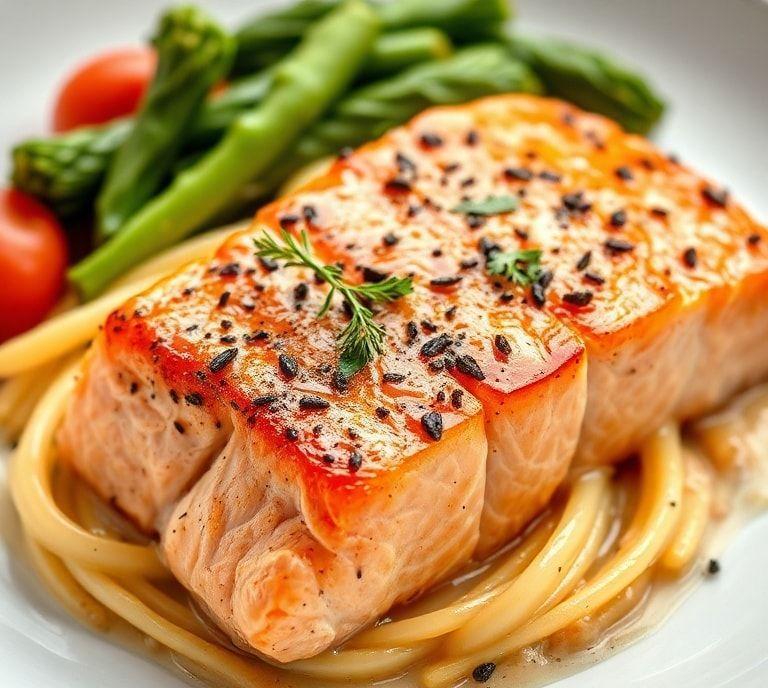
This vegetarian salmon is made with a simple base of plant-based ingredients like carrots, beets, and nori (seaweed), which, when combined, replicate the texture and flavor of real salmon quite beautifully. Trust me, the first time I made it, I couldn’t believe how well it mimicked the flaky, tender salmon experience. With a bit of creativity and the right seasonings, it’s a showstopper that will leave your friends and family wondering how you made it.
Ingredients Needed
For this recipe, you’ll need the following ingredients to get that perfect salmon-like texture and flavor:
- 2 medium carrots – These provide the bulk of the salmon-like texture.
- 1 small beetroot – Adds the pinkish hue and earthy flavor that closely resembles salmon.
- 1 sheet of nori – For that unmistakable sea flavor. This is where the magic happens.
- 1 tablespoon olive oil – For sautéing and helping the mixture stick together.
- 1 teaspoon liquid smoke – The secret to giving it that grilled, smoky salmon taste.
- 1 tablespoon tamari or soy sauce – Adds depth and a savory, umami flavor.
- 1/2 teaspoon garlic powder – For a subtle punch of flavor.
- 1/2 teaspoon onion powder – For a mild sweetness.
- 1 tablespoon lemon juice – To brighten up the flavors, just like you’d add to real salmon.
- 1/4 teaspoon sea salt – To enhance the flavor, don’t skip this!
- 1 tablespoon dill (optional) – A classic herb that pairs beautifully with salmon.
If you’re feeling adventurous, you could also use a bit of nutritional yeast to bring in a cheesy note or smoked paprika for a deeper, more complex smokiness.
Cooking Instructions
-
Prepare The Vegetables
Start by peeling the carrots and beetroot. Grate them finely, as this will help them blend together and give the right texture. You can use a box grater or a food processor for this step – whichever works best for you. The finer, the better, as it creates that flaky salmon texture.
-
Mix The Base
In a large bowl, combine the grated carrots, beetroot, and nori sheet (tear it into smaller pieces for easier mixing). Add in the tamari, garlic powder, onion powder, liquid smoke, and salt. Give it all a good stir so that everything is evenly distributed. The color at this point will look a bit like raw salmon, and that’s a good sign.
-
Cook It
Heat the olive oil in a non-stick pan over medium heat. Once hot, add the veggie mixture and cook for 4-5 minutes, stirring occasionally, until everything is tender and slightly caramelized. You should begin to smell that smoky flavor starting to emerge.
-
Form The Salmon Patties
Once your veggie base has cooled slightly, form it into small, round patties or thick fillets. If the mixture is too loose, you can add a small amount of breadcrumbs or chickpea flour to help bind it.
-
Sauté
Heat a little more olive oil in your pan and gently fry the patties or fillets for 3-4 minutes on each side until they develop a nice golden crust. This will give them that crispy edge that makes salmon so irresistible.
-
Serve
Once golden and crispy, remove them from the pan. Finish with a squeeze of lemon juice and a sprinkle of dill for that fresh touch. Serve with your favorite sides, like roasted veggies, mashed potatoes, or even a simple salad.
Ingredient Science Spotlight
One of the key ingredients here is the nori sheet. Nori is a type of edible seaweed, and its role in this recipe is to provide that unmistakable ’sea’ flavor, which is essential for mimicking salmon. The ocean-like taste it imparts is subtle but necessary to bring the dish to life. It’s packed with vitamins and minerals like iodine and magnesium, which also makes it a great addition to your diet.
The beetroot and carrots are the real stars when it comes to texture. Carrots, when grated and cooked, break down in a way that mimics the flakiness of fish. Beetroot, on the other hand, provides the pink hue you’d expect from salmon. It’s not just for color – the earthy, slightly sweet flavor gives depth to the dish, balancing out the smoke and saltiness from the tamari and liquid smoke.
Expert Tips
- Consistency Matters: If your mixture is too loose, you can always bind it with a tablespoon or two of breadcrumbs, chickpea flour, or ground oats. This will help hold the patties together when cooking.
- Flavor Layers: Don’t be afraid to play around with flavors. If you love dill, add more; if you prefer a citrusy zing, squeeze a little extra lemon on top. The key to a great dish is in the layering of flavors, so taste as you go!
- Make It Ahead: These patties freeze wonderfully. You can make a big batch, freeze them after cooking, and then reheat them in the oven or on the stove when you’re ready for a quick meal. They’ll hold their texture beautifully, and you’ll always have a quick meal on hand.
Recipe Variations
If you’re feeling adventurous and want to change up the flavors a bit, there are plenty of ways to customize this recipe:
- Herb Variations: Add fresh herbs like parsley or tarragon in place of or alongside dill to give a slightly different flavor profile.
- Spicy Salmon: Add a pinch of cayenne pepper or a chopped chili to the mixture if you prefer a spicy kick. It adds an exciting layer of heat that will pair well with the smoky flavor.
- Salmon Fillets: Instead of making patties, you could shape the mixture into fillet-like shapes for a more traditional look.
- Vegetable Add-Ins: If you want to bulk up the veggie content, you can mix in sautéed mushrooms, spinach, or zucchini to the base. Just be sure to cook them down to remove excess moisture so the patties don’t get soggy.
Final Words
At the end of the day, cooking is all about finding joy in the process. The magic lies not only in the flavors but in the experience of crafting something unique. This vegetarian salmon recipe is an example of how plant-based ingredients can be just as satisfying and full of flavor as their animal-based counterparts. It’s about getting creative, experimenting with what you have in your kitchen, and making it your own.
FAQs
What Is A Vegetarian Alternative To Salmon?
A vegetarian alternative to salmon can be made using plant-based ingredients like carrots, sweet potatoes, or tofu. These ingredients are often marinated and seasoned to mimic the flavor and texture of salmon. Additionally, some recipes use ingredients like seaweed or algae to impart a seafood-like taste, while others rely on plant-based products such as vegan salmon made from soy or pea protein.
How Do You Prepare A Vegetarian Salmon Recipe?
To prepare a vegetarian salmon recipe, the first step is to select your base ingredient (e.g., carrots, tofu, or a vegan salmon substitute). Marinate the ingredient in a mixture of olive oil, lemon juice, soy sauce, garlic, and herbs like dill or thyme for added flavor. Then, bake, grill, or pan-sear the ’salmon’ until it is crispy on the outside and tender on the inside. You can serve it with a side of vegetables, rice, or a light salad for a well-rounded meal.
Can I Make Vegetarian Salmon Without Using Vegan Fish Substitutes?
Yes, you can make vegetarian salmon without using vegan fish substitutes by using whole plant ingredients. For example, carrots can be sliced into long, thin pieces and seasoned to resemble the texture and taste of salmon. Roasted or grilled sweet potatoes, tempeh, or even king oyster mushrooms can also serve as excellent bases, and when prepared with the right herbs and marinades, they can provide a similar flavor profile without the need for processed vegan fish alternatives.