I’ve always been the kind of person who looks at food not just as a meal, but as an experience. The act of cooking, the stories behind the ingredients, and the joy of sharing something you’ve made with others-it’s all part of the charm. One of my favorite things to whip up when I want something easy, vibrant, and satisfying is a fresh, vegetarian salsa. Whether it’s for a casual snack or a party appetizer, there’s something special about the mix of fresh vegetables, bright flavors, and just the right amount of spice.
For me, salsa is a bit like a window into the kitchen-it’s simple but allows for so much creativity. You can make it as mild or spicy as you like, tweak it with fresh herbs, or throw in a twist that makes it all your own. I first learned to make salsa back in college when I realized that I could make a batch of it and snack on it for days-no need for fancy prep or complicated techniques. Over the years, I’ve perfected my recipe, and now I can’t imagine a gathering without it.
So let’s dive into the recipe, shall we? I promise, it’s an easy one, and the results are always rewarding.
Vegetarian Salsa Recipe
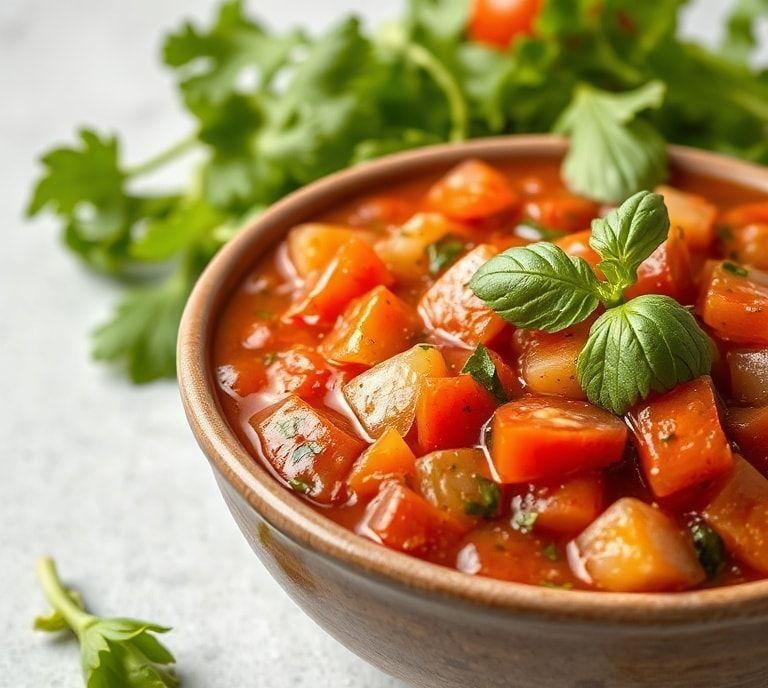
This vegetarian salsa recipe is about bringing together the freshest of ingredients in a quick and satisfying way. It’s full of bright, crisp vegetables, seasoned just right, with that punch of flavor you’ll crave every time. It’s simple, it’s fresh, and it’s one of those recipes that makes everyone ask for the details.
Ingredients Needed
Before we dive into the actual cooking, let’s gather everything you’ll need. These ingredients are pretty basic, and if you’re anything like me, you probably have most of them in your pantry or fridge already.
- Tomatoes (3 large, ripe) – The star of the show! Fresh, juicy tomatoes bring that sweet, tangy base to the salsa.
- Red onion (1 medium) – For that nice balance of sharpness and crunch.
- Jalapeño (1, deseeded) – Add just the right amount of heat. If you’re not into spicy, you can skip it or use a milder pepper.
- Cilantro (a handful) – Fresh cilantro brings a citrusy, herbaceous note that ties everything together.
- Lime (1) – Zest up the whole thing with some fresh lime juice. It’s the little zing that makes all the flavors pop.
- Garlic (1 clove) – I mean, does any recipe not benefit from garlic? It adds depth and savory undertones.
- Salt & Pepper – To taste, but trust me, a pinch of each goes a long way.
- Olive oil (1 tablespoon) – Adds a silky richness and helps meld the flavors.
Cooking Instructions
Now that we’ve got everything ready, here’s how to pull it all together. It’s a quick process, honestly, but trust me when I say this salsa tastes like it’s been simmering all day.
- Prep the Veggies: Start by dicing your tomatoes. Don’t worry about them being perfectly uniform-this isn’t some fine-dining plating. The rougher, the better, in my opinion. Chop up the red onion into small, even pieces. For the jalapeño, slice it lengthwise, remove the seeds (unless you like things extra hot), and finely chop it.
- Mix It All Up: In a large bowl, combine the diced tomatoes, red onion, jalapeño, garlic (minced), and chopped cilantro. Add a generous squeeze of lime juice-fresh lime juice is key here, none of that bottled stuff.
- Season: Sprinkle a pinch of salt and a couple of cracks of black pepper into the mix. Drizzle in a tablespoon of olive oil.
- Toss and Taste: Give everything a good toss. Take a taste and adjust the seasoning as you go. Maybe it needs a little more lime, maybe a touch more salt-this is where you make it yours.
- Let It Marinate: If you can, let the salsa sit for 15-30 minutes. It gives all the flavors a chance to get cozy with each other and really come alive.
That’s it. Simple, fresh, and packed with flavor. Grab some chips or serve it alongside tacos, quesadillas, or even grilled veggies. You won’t regret it.
Ingredient Science Spotlight
Let’s take a quick pause to dig into the science behind some of the key ingredients. I always find it fascinating how the components of a recipe interact with each other-not just in terms of flavor, but also in texture and even nutritional benefits.
- Tomatoes: These juicy little fruits (yes, technically fruits) are a powerhouse of vitamins, especially Vitamin C, and antioxidants like lycopene. Lycopene is known for its potential health benefits, especially in relation to heart health. Tomatoes also contain a good amount of water, making them wonderfully refreshing in a dish like salsa.
- Cilantro: If you’ve ever wondered why cilantro tastes so fresh and zingy, it’s all in its chemical compounds. Cilantro contains aldehydes, which are also found in soaps, giving it that distinctive aroma. It’s also packed with antioxidants and even has potential antibacterial properties.
- Jalapeños: The heat you feel from jalapeños comes from a compound called capsaicin. Capsaicin can boost metabolism and promote fat burning, which is why spicy foods are often touted for weight loss. Plus, they’re loaded with Vitamin C, so eating them in salsa is a sneaky way to get some extra immune support.
- Lime: Limes bring acidity that helps balance out the sweetness of the tomatoes and the richness of the olive oil. Acidity also works as a flavor enhancer, making everything in the salsa taste more vibrant. Plus, limes are packed with antioxidants and vitamin C, which help keep your skin glowing and your immune system strong.
Expert Tips
I’ve made this salsa countless times, and over the years, I’ve picked up a few tricks that can elevate your salsa game. Here are some tips I swear by:
- Use ripe tomatoes: The quality of your tomatoes can make or break your salsa. Look for tomatoes that are bright red and slightly soft to the touch-these will be juicier and full of flavor.
- Customize the heat: Not all of us have the same spice tolerance. If you want a milder salsa, remove the seeds and membranes of the jalapeño, as they contain most of the heat. Or, you can swap out the jalapeño for a milder pepper, like a poblano.
- Let it rest: While it’s tempting to dive in right away, letting the salsa sit for a bit really allows the flavors to develop. If you can, cover it and leave it in the fridge for at least 30 minutes before serving.
- Chop everything finely: You want every bite to have a little of everything, so chop your ingredients small enough that they mix together seamlessly. The balance of flavors in every spoonful is what makes salsa so addictive.
- Add sweetness if needed: If your tomatoes are a bit too acidic or tart, a pinch of sugar can balance out the flavors nicely. It’s a little secret I use when the tomatoes aren’t in their peak season.
Recipe Variations
Salsa is one of those dishes that begs for experimentation. Once you have the basics down, feel free to mix things up and make the recipe your own. Here are a few variations you can try:
- Tropical Salsa: Add some diced mango or pineapple for a fruity twist. The sweetness of the fruit plays beautifully off the tangy lime and savory ingredients.
- Roasted Salsa: Roast your tomatoes, onion, and garlic in the oven until charred, then blend everything together. This adds a smoky depth to the salsa that’s perfect for grilled meats or roasted veggies.
- Black Bean Salsa: Throw in some cooked black beans for extra protein and texture. This can turn your salsa into more of a side dish than just a dip.
- Avocado Salsa: For something creamy, dice up some ripe avocado and fold it in at the end. The richness of the avocado pairs wonderfully with the zesty lime.
- Corn Salsa: If you’re a fan of corn, toss in some fresh or grilled corn kernels. The slight sweetness of the corn balances out the heat of the jalapeños.
Final Words
Salsa is one of those recipes that feels as if it’s been around forever-yet it’s still so simple and adaptable. What I love about it is how easy it is to throw together, and yet, every time, it feels like you’re making something fresh, vibrant, and full of life. It’s a reminder that some of the best things in life come from the simplest ingredients.
I’ve made this salsa countless times for everything from casual get-togethers to impromptu movie nights. And each time, it’s met with rave reviews. It’s one of those things that can make even the most mundane evening feel special. Plus, it’s a great way to use up those fresh vegetables and herbs lingering in the fridge.
FAQs
What Ingredients Are Essential For A Vegetarian Salsa Recipe?
A vegetarian salsa typically includes fresh vegetables and herbs. Essential ingredients are ripe tomatoes, onions, garlic, fresh cilantro, jalapeños or other mild chili peppers, lime juice, and salt. Optional ingredients like bell peppers, corn, or black beans can add texture and flavor. Using fresh, high-quality produce ensures the salsa is vibrant and flavorful.
How Can I Make A Vegetarian Salsa Spicier Without Overpowering The Flavors?
To increase the heat without dominating the salsa, finely chop chili peppers like serranos or habaneros and gradually add them while tasting. Removing seeds and membranes can reduce some of the heat. You can also incorporate a small amount of hot sauce or red pepper flakes. Balancing the spiciness with lime juice, diced tomatoes, or a touch of sweetness from fruit like mango or pineapple helps maintain a harmonious flavor.
What Are The Best Ways To Store Vegetarian Salsa For Freshness?
Vegetarian salsa should be stored in an airtight container in the refrigerator. It typically stays fresh for 3-5 days. To preserve flavor, avoid storing it near foods with strong odors. For longer storage, salsa can be frozen, although the texture may change slightly. Freezing in small portions using ice cube trays or freezer-safe containers allows you to thaw only what you need.