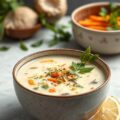
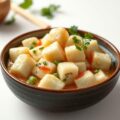
Have you ever tried Saltah? It’s not just a dish, it’s an experience, a reflection of culture, history, and the warmth of family gatherings. Saltah is the heart and soul of Yemeni cuisine, and I can almost guarantee you’ve never tasted anything quite like it. I first discovered it while traveling through the bustling streets of Sana’a, Yemen. There’s something about the thick, spicy, comforting stew that makes you feel instantly at home, even if you’re far away from familiar faces.
For those who aren’t familiar with it, Saltah is a hearty dish often made with lamb, vegetables, and a mix of earthy spices. But what really makes it stand out is the hulbah – a fenugreek-based paste that adds an unmissable depth of flavor. It’s a dish you can’t rush, and it’s not just about eating but about savoring every bite. In Yemen, it’s usually served in a communal fashion with pieces of flatbread to dip, scoop, and soak up the goodness. But here, I’m going to give you the recipe to recreate it at home – the kind of dish that will warm you from the inside out, and perhaps even spark a new favorite in your cooking repertoire.
Vegetarian Saltah Recipe
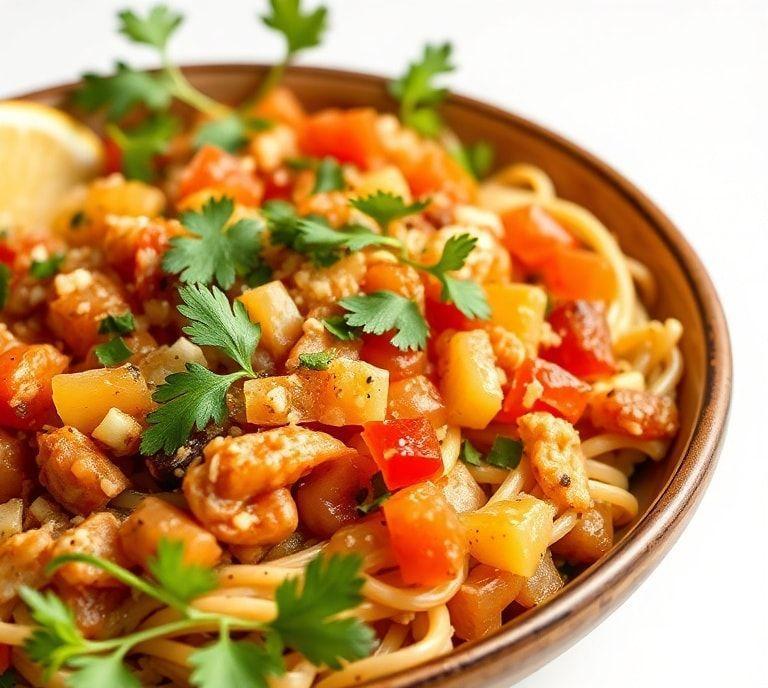
Now, before you dismiss the idea of a vegetarian version, let me tell you: this vegetarian Saltah is just as rich and comforting as its meaty counterpart. The heart of the dish, the spices and the hulbah, provide such complexity that you won’t even miss the lamb. And let’s face it – sometimes you just want to dive into a bowl of food that’s nourishing, flavorful, and, well, a little less heavy. I love making this vegetarian Saltah because it’s so satisfying, but still light enough to make you feel good after eating it.
Ingredients Needed
Before you begin, gather these key ingredients:
- Vegetable oil: For sautéing the onions and garlic.
- Onion (1 large): A base of flavor that will carry through the whole dish.
- Garlic (4 cloves): Essential for that aromatic depth.
- Tomatoes (3 medium, chopped): Tomatoes give the stew its rich, slightly tangy undertone.
- Carrots (2 medium, chopped): These add a hint of sweetness, balancing the spices.
- Potatoes (2 large, peeled and cubed): A classic root vegetable that adds substance.
- Chickpeas (1 can, drained): A great plant-based protein that soaks up the spices and adds texture.
- Spinach (2 cups, fresh): The leafy green that gives a nice contrast to the richness of the stew.
- Vegetable broth (4 cups): This will be the base of the stew.
- Cumin (1 tsp): Earthy and warming.
- Coriander (1 tsp): Adds a citrusy, slightly sweet note.
- Turmeric (½ tsp): For color and a subtle earthiness.
- Paprika (1 tsp): For depth and a bit of smoky heat.
- Cinnamon (1 small stick): For warmth and that aromatic kick.
- Salt (to taste): Enhances all the flavors.
- Black pepper (to taste): A touch of heat.
- Fenugreek (for hulbah): A must for authenticity, and an incredibly fragrant addition to the dish.
- Lemon (1, for garnish): Freshly squeezed to balance out the richness of the stew.
Cooking Instructions
- Start with the base: Heat a few tablespoons of vegetable oil in a large pot over medium heat. Add the chopped onions and garlic. Sauté them until golden brown, which takes about 5 minutes. The smell of caramelized onions is like a warm hug – it’s the base of so much flavor.
- Add the vegetables: Toss in the chopped tomatoes, carrots, and potatoes. Let them cook for another 5 minutes, allowing the tomatoes to break down slightly and release their juices. The tomatoes will help to thicken the stew as it simmers.
- Season it up: Sprinkle in the cumin, coriander, turmeric, paprika, and cinnamon stick. Stir everything well and let the spices toast for a couple of minutes. This step is crucial, as it allows the spices to release their essential oils, which will enrich the flavor of the dish.
- Simmer: Add the vegetable broth and bring everything to a gentle boil. Once it’s boiling, reduce the heat to low and let it simmer for about 20 minutes. The vegetables should soften and the broth should have thickened slightly.
- Add chickpeas and spinach: Stir in the chickpeas and spinach, then continue simmering for another 10 minutes. The spinach will wilt down and blend into the stew, adding color and nutrients.
- Make the hulbah: In a small bowl, mix a tablespoon of ground fenugreek with a little water until it forms a smooth paste. If you’ve never worked with fenugreek before, you might be surprised by its strong, unique aroma – it’s the secret ingredient that gives Saltah its unmistakable flavor. Add the hulbah paste to the stew and stir. This is where the magic happens. The stew will turn into something entirely different.
- Final touch: Add salt and black pepper to taste. Finish with a squeeze of lemon juice for brightness and a fresh contrast to the deep, earthy flavors.
Ingredient Science Spotlight
One ingredient that often piques people’s curiosity is fenugreek, which, while familiar in Indian and Middle Eastern cuisines, may be less well-known in Western kitchens. It’s a tiny seed, often used both whole and ground. When you cook with it, you release its somewhat bitter yet aromatic qualities, and it has a slightly maple-syrup-like fragrance. Its distinctive flavor is essential in Saltah, and even though it’s powerful, when used in moderation, it balances the rich spices and vegetables beautifully.
Fenugreek isn’t just about flavor – it also comes with some health benefits. It’s been known to support digestive health, regulate blood sugar, and even promote lactation in breastfeeding mothers. So, not only are you getting a burst of flavor, but also a bit of a nutritional boost.
Expert Tips
- Don’t rush the cooking time: The longer you let the vegetables and spices simmer, the more they meld together. Patience is key. Let everything cook gently to extract maximum flavor.
- Don’t skip the hulbah: It’s what defines Saltah. While the stew may taste good without it, the addition of fenugreek paste elevates it to something unforgettable. If you can’t find fenugreek, consider searching for it in a Middle Eastern or Indian market – or, in a pinch, try making a homemade version using a combination of mustard seeds, thyme, and a tiny bit of maple syrup.
- Make it ahead: Like many stews, Saltah often tastes even better the next day as the flavors have had more time to develop. Consider making a large batch and storing it for a couple of days.
- Serve with a side of flatbread: Traditionally, Saltah is eaten with bread, which you can use to dip and scoop up the stew. It’s part of the experience!
Recipe Variations
While the vegetarian version I’ve shared here is the heart of Saltah, it’s not the only way to enjoy it. Traditionally, Saltah is made with lamb, and you could certainly add it to this recipe by browning lamb pieces before adding the vegetables. You could also experiment with different vegetables based on what you have at home – eggplant, zucchini, or even sweet potatoes would work well.
For an extra rich twist, some people add a dollop of yogurt on top before serving. It’s a great way to balance the spiciness with a creamy coolness.
If you’re craving a bit more spice, feel free to add a chopped chili or two to the pot during the simmering stage. You can always adjust the heat to your liking!
Final Words
Saltah, in all its comforting richness and bold flavors, is more than just a meal – it’s a part of a tradition, a culinary ritual that ties people together. It’s one of those dishes that, when made with care, becomes a reflection of the love and history in the kitchen.
Whether you’ve had it before or are about to try it for the first time, this vegetarian Saltah recipe is a reminder that good food doesn’t have to be complicated to be extraordinary.
FAQs
What Is Vegetarian Saltah?
Vegetarian Saltah is a popular Yemeni dish that is traditionally made with a rich and flavorful vegetable broth, served with various vegetarian ingredients like tomatoes, potatoes, chickpeas, and seasoned with a blend of aromatic spices. The dish is typically served with a type of flatbread known as ’malawah’ or “khubz”, and it’s often enjoyed with a drizzle of ’hilbah’ (fenugreek sauce) for added depth of flavor.
What Are The Key Ingredients For Making Vegetarian Saltah?
The key ingredients for making vegetarian saltah include vegetables such as potatoes, carrots, and tomatoes, along with chickpeas or lentils. The dish is spiced with cumin, coriander, turmeric, and black pepper, and usually cooked in a tomato-based broth. Hilbah, a fenugreek sauce made from fenugreek seeds, garlic, and olive oil, is often served on top of the saltah for additional flavor.
How Do You Make Hilbah For Vegetarian Saltah?
To make hilbah, you need fenugreek seeds, garlic, and olive oil. First, soak a tablespoon of fenugreek seeds overnight. The next day, blend the seeds with garlic and olive oil to form a thick, paste-like consistency. This sauce is then drizzled on top of the vegetarian saltah just before serving to enhance its taste with a distinct, earthy flavor.