When I think of comfort food, one of the first things that comes to mind is a rich, hearty sauce. There’s something about the way a sauce transforms simple ingredients into a dish that feels indulgent and nourishing. If you’ve ever had a sauce that sticks with you long after the meal is over, you know the kind of magic that happens in the kitchen when you get it just right.
Today, I’m sharing a vegetarian sauce recipe that I’ve come to love. It’s versatile, flavorful, and easy to make. Whether you’re tossing it with pasta, drizzling it over roasted vegetables, or using it as a dip for crusty bread, this sauce will elevate any meal. I’ve been experimenting with vegetarian sauces for a while now, and the blend of herbs, tomatoes, and just the right touch of acidity in this one is a winning combination.
But before we dive into the recipe, let’s talk a little bit about the foundation of a great vegetarian sauce and what makes it special.
Vegetarian Sauce Recipe
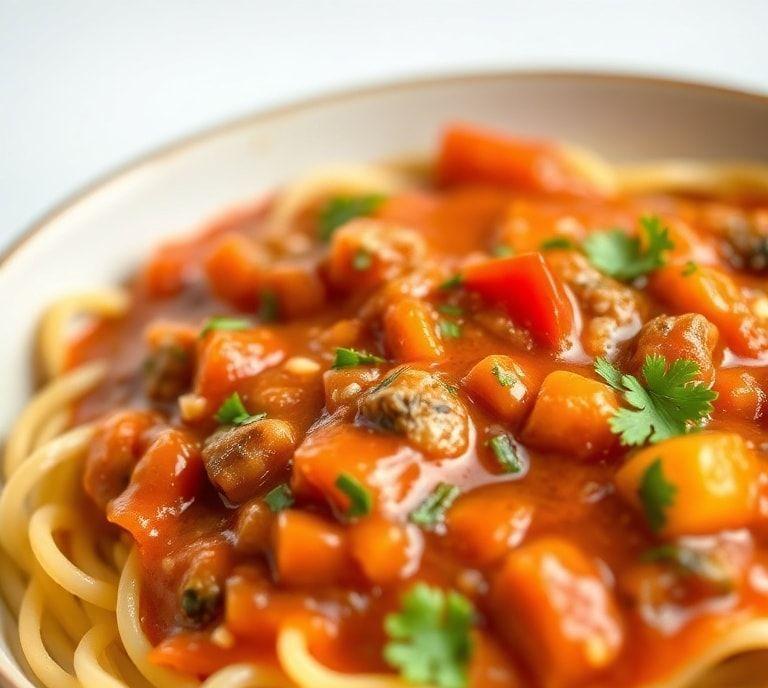
This sauce is simple but packs a punch. You’ll be amazed at how a few fresh ingredients can come together to create something so deep in flavor. It’s a recipe I’ve honed over time, adjusting to my personal taste and the seasons. So, whether it’s a cold winter night and you need something warm and comforting, or it’s a fresh spring evening and you’re craving something light but flavorful, this sauce adapts beautifully.
Let’s get into the details, shall we?
Ingredients Needed
Here’s what you’ll need:
-
Olive oil (2 tbsp)
This is the base for the sauce. Olive oil brings a richness and helps to carry the flavors of the herbs and garlic.
-
Garlic (4 cloves, minced)
Garlic is a staple in many of my sauces-it adds a depth of flavor and that signature "comfort food" scent that makes the kitchen feel like home.
-
Onion (1 medium, diced)
Sweet, aromatic onions are key to building the base of this sauce. They caramelize beautifully, which adds a subtle sweetness to the dish.
-
Canned crushed tomatoes (1 can, 14.5 oz)
I love the richness of crushed tomatoes, which forms the heart of this sauce. You could use fresh tomatoes if they’re in season, but the canned variety offers consistency and depth year-round.
-
Tomato paste (2 tbsp)
This adds a more concentrated tomato flavor, thickening the sauce while enhancing its richness. A small amount goes a long way in boosting the umami.
-
Dried oregano (1 tsp)
Oregano is one of my go-to herbs when I’m making tomato-based sauces. It’s earthy and slightly peppery, and it balances the acidity of the tomatoes.
-
Dried basil (1 tsp)
Basil gives the sauce a sweet, aromatic flavor. It’s such a classic pairing with tomatoes and works perfectly here.
-
Red pepper flakes (1/4 tsp, optional)
I like to add a small kick of heat, but it’s optional depending on your preference.
-
Salt and black pepper (to taste)
Simple, but crucial. Salt helps bring all the flavors together, and black pepper adds a subtle bite.
-
Fresh basil or parsley (for garnish)
This is an optional garnish, but I find it adds a beautiful fresh note right before serving.
Cooking Instructions
Now for the fun part: cooking the sauce. I promise, this isn’t a complicated process-just a few steps to bring all those flavors together.
- Heat the olive oil: In a large pan, heat the olive oil over medium heat. I love the sound of oil sizzling when it hits a hot pan-it’s almost like the beginning of a story unfolding.
- Sauté garlic and onions: Add the diced onions and minced garlic to the pan. Let them cook, stirring occasionally, for about 5-7 minutes. The onions should soften and become translucent, while the garlic should turn golden brown but not burnt. This is where the sauce starts to smell amazing.
- Add tomato paste: Stir in the tomato paste and cook for 1-2 minutes. This helps deepen the flavor of the tomatoes and bring out the natural sweetness in the sauce.
- Add canned tomatoes and spices: Pour in the crushed tomatoes and stir to combine. Add the oregano, basil, red pepper flakes, salt, and black pepper. Give everything a good mix. Now, let the sauce simmer on low heat for about 20-30 minutes. Stir occasionally. The longer it simmers, the richer the flavor will be.
- Finish and garnish: Once the sauce has thickened and the flavors have melded together, taste it. If you feel it needs a little more salt or pepper, now’s the time to adjust. If you’re feeling fancy, throw in some freshly chopped basil or parsley for a pop of color and freshness.
Serve this sauce over your favorite pasta, dip some warm bread into it, or use it to top roasted vegetables. It’s incredibly versatile and works in so many ways!
Ingredient Science Spotlight
Let’s take a moment to appreciate the science behind a few of the key ingredients in this sauce.
- Tomatoes: The crushed tomatoes form the backbone of the sauce, and what makes them so magical is their natural umami-a savory, satisfying flavor that’s often referred to as the “fifth taste”. Tomatoes contain glutamates, which are compounds that boost flavor intensity. That’s why even a simple tomato sauce can taste so rich and complex.
- Olive oil: When you heat olive oil, it helps release the essential oils from garlic and herbs. This extraction of flavors from the herbs and garlic is what gives the sauce its aromatic punch. Plus, the fats in the olive oil help dissolve and carry the fat-soluble flavor compounds from the tomatoes and spices.
- Garlic and onions: These two are powerhouses in cooking. Garlic contains sulfur compounds, like allicin, which become more pronounced as the garlic cooks. This provides that unmistakable depth of flavor. Onions, when cooked slowly, break down their sugars, which is why they develop that natural sweetness that balances the acidity of the tomatoes.
Expert Tips
- Slow and steady wins the race: Don’t rush the simmering process. The longer the sauce cooks, the more it deepens in flavor. You can even make it a day ahead-like most sauces, it tastes even better after sitting overnight, allowing the flavors to meld together.
- Use good quality tomatoes: The quality of your tomatoes is key. You can really taste the difference when you use a high-quality brand of canned tomatoes. San Marzano tomatoes are a great choice, as they’re known for their sweetness and low acidity.
- Fresh herbs: If you have fresh oregano or basil on hand, feel free to use those instead of the dried version. Just be sure to add fresh herbs toward the end of cooking to preserve their delicate flavor.
- Adjust the thickness: If you want a thicker sauce, let it simmer longer. If it gets too thick, you can always add a splash of water or vegetable broth to reach your desired consistency.
Recipe Variations
This sauce is incredibly adaptable. Here are a few variations you can try depending on what you have in your pantry or your personal taste:
- Spicy tomato sauce: Add more red pepper flakes or toss in a fresh diced chili pepper for a punch of heat.
- Creamy tomato sauce: Stir in a splash of heavy cream or a dollop of ricotta cheese to create a smooth, creamy texture.
- Herb-packed sauce: Try adding other herbs like thyme, rosemary, or tarragon to bring new flavors to the sauce.
- Add vegetables: Dice up zucchini, mushrooms, or bell peppers and sauté them with the onions and garlic. It’s a great way to get extra veggies into the mix.
Final Words
I’ve always found that the best recipes are the ones that allow for a little creativity and personal flair. While this vegetarian sauce is delicious as is, it’s just a canvas waiting for you to add your own touch. Whether you adjust the spices, throw in some extra veggies, or get fancy with a creamy twist, this recipe will serve as a foundation for countless delicious meals.
FAQs
What Are The Basic Ingredients For A Vegetarian Sauce?
A basic vegetarian sauce typically includes olive oil, garlic, onions, canned tomatoes, vegetable broth, and a variety of herbs and spices such as basil, oregano, and thyme. You can also incorporate vegetables like bell peppers or zucchini for added flavor and texture.
Can I Make A Vegetarian Sauce Without Tomatoes?
Yes, you can make vegetarian sauces without tomatoes. Some popular alternatives include creamy sauces like pesto (made with basil, pine nuts, garlic, and olive oil), or a white sauce such as Alfredo made with plant-based milk or cream. You can also make a mushroom-based sauce or a roasted red pepper sauce for different flavor profiles.
How Can I Thicken My Vegetarian Sauce?
To thicken a vegetarian sauce, you can use several methods. A common approach is to let the sauce simmer for longer to reduce the liquid content. You can also add a thickening agent such as cornstarch, arrowroot powder, or a plant-based flour like chickpea flour. Alternatively, blending some of the sauce with vegetables or beans can add both thickness and richness.