If you’ve ever had a craving for a dish that’s the perfect balance of rich and light, savory and fresh, then a vegetarian scampi might just be your new favorite. The classic shrimp scampi is a go-to comfort food for many-tender shrimp bathed in garlic, butter, and a squeeze of lemon, served over a bed of pasta. But what if you could experience that same indulgence, without the seafood? That’s exactly where this vegetarian scampi steps in. You don’t need the shrimp to achieve that same decadent, garlicky goodness. It’s all about the flavors and textures that can be crafted using plant-based ingredients.
I’ve been making a vegetarian version of scampi for years, ever since I realized I could replicate that bold garlic butter sauce with mushrooms, zucchini, or even tofu-each providing its own spin on the traditional dish. What I love most is that while the base of the recipe remains familiar, you have the freedom to personalize it to your liking, whether you prefer a more ’seafood’ like texture or a hearty, veggie-packed dish.
In this guide, I’ll walk you through how to make your own vegetarian scampi from scratch-complete with tips on how to elevate the dish and make it your own. So, let’s get cooking!
Vegetarian Scampi Recipe
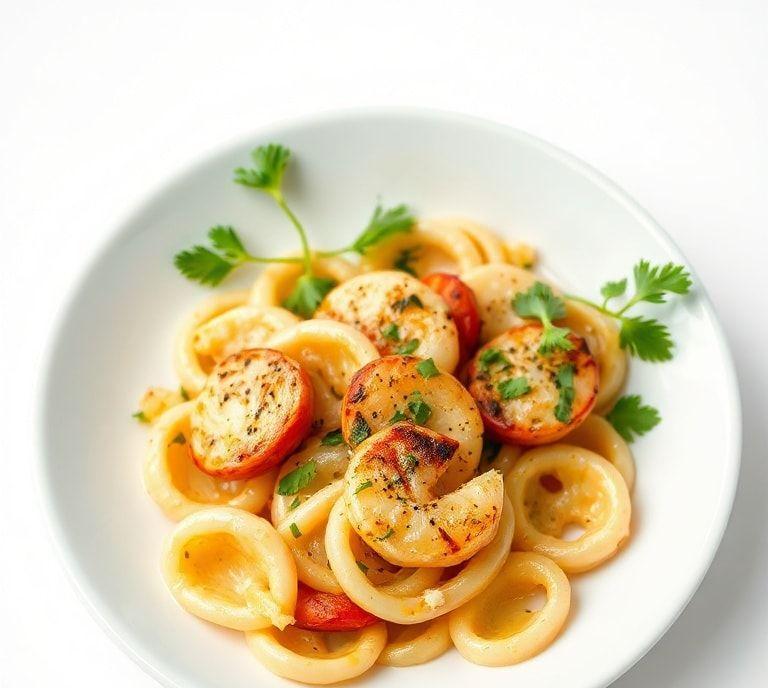
The beauty of vegetarian scampi is that it gives you the essence of the beloved dish without using any fish or shellfish. We’ll replace the shrimp with something equally satisfying and tender, but plant-based, like meaty mushrooms or delicate zucchini strips. Together, they soak up the rich garlic-butter sauce, creating a satisfying dish that’s every bit as flavorful as the original.
Ingredients Needed
To make this dish, you’ll need a few basic ingredients that come together to create that classic scampi experience-garlic, butter, white wine, and fresh herbs. Here’s everything you’ll need:
- 1 pound of mushrooms (cremini or portobello are ideal, as they offer a meatier texture)
- 8 ounces of pasta (linguine is traditional, but any long pasta will work)
- 4 cloves of garlic, finely chopped
- 3 tablespoons of olive oil (you can also use vegan butter if you’re going dairy-free)
- 3 tablespoons of butter (for a rich, indulgent sauce)
- 1/4 cup of dry white wine (adds depth and acidity; you can also use vegetable broth if you prefer)
- 1 lemon, zested and juiced (for a fresh, zesty punch)
- Fresh parsley, chopped (for garnish and a hint of freshness)
- Salt and pepper, to taste
- Red pepper flakes (optional, but gives a nice kick)
Cooking Instructions
- Prep the Pasta: Bring a large pot of salted water to a boil. Cook your pasta according to the package instructions, usually 9-11 minutes for linguine. Drain, reserving about 1 cup of pasta water for later.
- Prepare the Mushrooms: While your pasta cooks, slice the mushrooms into thick slices or bite-sized pieces. These will serve as the ’stand-in’ for shrimp, absorbing all the delicious flavors of the sauce.
- Sauté the Mushrooms: In a large skillet, heat 2 tablespoons of olive oil over medium-high heat. Add the mushrooms and sauté until they are golden and tender, about 5-7 minutes. If the mushrooms start to release too much moisture, increase the heat slightly to help them brown.
- Garlic and Butter Sauce: Push the mushrooms to the side of the pan. In the same skillet, add the remaining tablespoon of olive oil and butter. Once the butter has melted, toss in the chopped garlic and sauté until fragrant, about 1 minute.
- Deglaze with Wine: Pour in the white wine, scraping up any bits of garlic and mushroom from the bottom of the pan. Let it simmer for about 2-3 minutes, allowing the alcohol to cook off and the sauce to reduce slightly.
- Combine with Pasta: Add the cooked pasta to the pan with the mushrooms and garlic butter sauce. Toss to coat the pasta evenly, adding a bit of the reserved pasta water to create a silky sauce. Season with salt, pepper, and red pepper flakes, if using.
- Finishing Touches: Add the lemon zest and juice, and toss again. Sprinkle with fresh parsley just before serving for a burst of color and flavor.
Ingredient Science Spotlight
The magic of this vegetarian scampi is really in the balance of flavors and textures. The mushrooms are a star here-they offer a savory, umami-rich depth that mimics the ’seafoodiness’ of shrimp. But what’s going on beneath the surface to make these ingredients sing?
- Mushrooms: Mushrooms, especially portobello or cremini, are rich in glutamate, the compound that gives food that mouthwatering umami flavor. The meaty texture of mushrooms, when browned, adds a satisfying bite. They also have a natural ability to soak up liquids and flavors, which is perfect for absorbing the garlicky butter sauce in this recipe.
- Garlic: Garlic, when sautéed gently, releases its natural sugars, mellowing out its sharpness and becoming sweeter and more aromatic. It’s this deep flavor that makes garlic such a key ingredient in scampi.
- Butter and Olive Oil: The combination of butter and olive oil in this recipe is key for creating that rich, silky sauce. The butter adds creaminess, while the olive oil helps carry the flavors without making the sauce too heavy.
- Lemon: The acidity of lemon is what brings the whole dish together. It cuts through the richness of the butter and balances the earthiness of the mushrooms, giving the dish that signature ’scampi’ freshness.
Expert Tips
- Use a Mix of Mushrooms: For extra depth, consider using a blend of different mushrooms-shiitake, cremini, and oyster all offer different textures and flavors. Mixing them will give you a more complex base for your sauce.
- Don’t Overcrowd the Pan: If you’re doubling the recipe or using more mushrooms, make sure to sauté them in batches. Overcrowding the pan traps moisture and steams the mushrooms, preventing them from getting that nice caramelized color and flavor.
- Adjust the Pasta Water: When tossing your pasta in the sauce, don’t hesitate to use more pasta water if the sauce feels too thick. The starch in the pasta water helps thicken and emulsify the sauce, creating a smoother, creamier texture.
- Add a Bit of Nutritional Yeast: For a cheesy, umami kick (especially if you’re vegan), sprinkle some nutritional yeast over the dish before serving. It will give the whole dish a savory, parmesan-like flavor.
Recipe Variations
- Zucchini Scampi: If you want something a little lighter, swap out the mushrooms for zucchini ribbons. You can even use a spiralizer to make zucchini noodles instead of pasta for a truly low-carb version.
- Tofu Scampi: If you’re craving protein, tofu is a great option. Press it to remove excess moisture, cube it, and sauté it until golden. Tofu takes on the flavors of the sauce wonderfully and gives the dish a hearty texture.
- Crispy Chickpeas: For a bit of crunch, add crispy roasted chickpeas to the dish at the end. They’ll give you that satisfying bite while also adding some extra protein.
Final Words
Vegetarian scampi is one of those dishes that’s surprisingly easy to make, but feels like a luxurious treat. Whether you’re a long-time vegetarian or just looking to try something new, this recipe will give you all the comfort of the classic scampi with a twist. The beauty lies in its versatility-you can tweak the recipe to your tastes and dietary needs, and it will still turn out delicious.
But most of all, this dish is about enjoying the process of cooking-savoring the aroma of garlic and butter filling your kitchen, watching the sauce come together, and finally digging into that satisfying bowl of pasta. It’s comfort food, but it’s also a reminder that sometimes, the simplest ingredients can create the most unforgettable meals.
FAQs
What Are The Best Substitutes For Shrimp In A Vegetarian Scampi Recipe?
In a vegetarian scampi recipe, the best substitutes for shrimp are plant-based ingredients that mimic the texture and flavor of seafood. Popular options include king oyster mushrooms, which have a meaty texture and absorb flavors well, or plant-based shrimp alternatives made from ingredients like soy protein or konjac. Other options are hearts of palm or chickpeas, which provide a similar bite and are often used in vegan seafood recipes.
Can I Use Regular Pasta For Vegetarian Scampi, Or Should I Opt For A Specific Type?
You can use any type of pasta for vegetarian scampi, but some variations may complement the dish better than others. Traditional choices include spaghetti or linguine, which allow the sauce to coat the noodles evenly. You can also opt for gluten-free pasta or whole wheat pasta if you prefer a healthier or gluten-free alternative. The key is to choose a pasta that holds the sauce well and provides the right texture balance.
What Is The Best Way To Prepare The Sauce For Vegetarian Scampi?
To make the sauce for vegetarian scampi, start by sautéing garlic in olive oil and vegan butter until fragrant. Then, add white wine, lemon juice, and a splash of vegetable broth or pasta water to create a light, citrusy base. For added richness, include nutritional yeast or a bit of vegan cream. Season with red pepper flakes, salt, and pepper to taste. The key is to balance the acidity of the lemon and wine with the richness of the butter and olive oil for a well-rounded sauce.