There’s something about a good skillet recipe that just makes everything feel cozy, isn’t there? Maybe it’s because you know it’s going to be simple, one-pan cleanup, and still deliciously satisfying. That’s why I love making a vegetarian skillet lasagna-it’s the perfect comfort food without the hassle of assembling a million layers or boiling sheets of pasta. All the flavors come together in one pan, and it tastes just like the lasagna we all know and love but without the oven time. You still get all the gooey cheese, rich tomato sauce, and savory herbs, but everything melds together in a much more relaxed way.
I came across this recipe one chilly evening when I was craving lasagna, but didn’t want to spend the time and energy to bake it in the oven. The result was something far simpler and quicker, but with all the comfort I was after. It’s been a go-to in my kitchen ever since, and I think you’ll love how easy and flavorful it is, too.
Vegetarian Skillet Lasagna Recipe
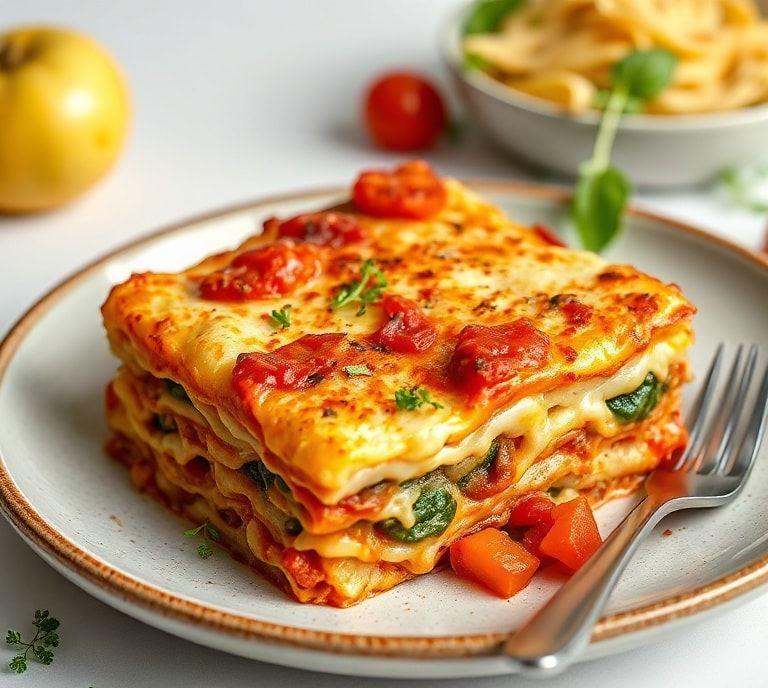
If you’ve ever made lasagna before, you know the drill-layering pasta, sauce, ricotta, mozzarella, repeat. But in this vegetarian skillet version, we skip the complicated layers and instead focus on getting all the same great flavors into a skillet. No waiting for the oven to preheat, no watching for that perfect moment when it’s golden and bubbly. Just a one-pan dish that you can whip up on the stovetop in less than an hour.
This recipe also gives you a lot of flexibility. You can tweak the ingredients based on what’s in season or what you have in the pantry. You want to add a bit of spinach, zucchini, or even roasted red peppers? Go ahead. It’s a flexible, forgiving recipe that lets you make it your own.
Ingredients Needed
- Pasta: Use any kind of pasta you like, but I prefer a short, sturdy pasta like penne or rigatoni for this dish. It soaks up the sauce just right and holds up well in the skillet.
- Olive Oil: For sautéing the veggies and starting the base of the sauce. It adds richness and a subtle depth of flavor.
- Onion and Garlic: These are the flavor foundation. Sautéing the onion until it’s soft and translucent, then adding garlic, makes the whole kitchen smell incredible.
- Bell Peppers: I love the sweetness and color they bring to the dish. You can go with any variety, but I usually use red and yellow for a vibrant pop.
- Spinach: The leafy greens help balance out the richness of the cheese and sauce. Fresh is great, but frozen spinach works too if you’re in a pinch.
- Ricotta Cheese: Creamy and mild, ricotta is a must for that lasagna-like texture. It’s what gives you that smooth, comforting base.
- Marinara Sauce: I always recommend a high-quality jarred marinara. If you’re feeling adventurous, make your own from scratch, but there’s no shame in going for store-bought. Just make sure it’s packed with flavor.
- Shredded Mozzarella: The melty, gooey cheese that makes the dish feel like lasagna. You can also use a blend of mozzarella and provolone if you like a sharper flavor.
- Parmesan Cheese: A sprinkle of this at the end adds a savory, umami punch.
- Herbs and Seasonings: I go for dried oregano, basil, and a pinch of red pepper flakes for a little heat. A pinch of salt and freshly cracked black pepper ties everything together.
Cooking Instructions
- Sauté the Veggies: Start by heating some olive oil in a large skillet over medium heat. Toss in your chopped onion and bell peppers, letting them cook until the onion softens, about 5 minutes. Add garlic and cook for another minute, just until fragrant. It’ll smell amazing already.
- Cook the Pasta: Stir in your pasta and cook for another 1-2 minutes, letting it soak up the flavor of the vegetables and garlic. This helps infuse the pasta with all those great savory notes.
- Add the Sauce: Pour in your marinara sauce and about a half-cup of water (or broth, if you have it on hand). Stir everything to coat. Bring the mixture to a simmer and cook for 8-10 minutes, or until the pasta is al dente. Give it a taste, and add salt, pepper, or more herbs if needed.
- Stir in Spinach: Toss in your spinach, stirring until it wilts down and integrates into the sauce. If you’re using frozen spinach, just make sure to thaw and drain it before adding it in.
- Layer the Cheese: Drop spoonfuls of ricotta cheese on top of the pasta mixture. You don’t need to spread it out; just leave it in dollops. Then, sprinkle shredded mozzarella over the top.
- Melt the Cheese: Cover the skillet with a lid and let it cook for 2-3 minutes on low heat until the cheese is melty and gooey.
- Garnish and Serve: Finish off with a sprinkle of Parmesan and fresh basil, if desired. Then serve it up hot!
Ingredient Science Spotlight
It’s easy to forget that every ingredient has its own special contribution to a dish. The pasta, for example, is more than just a carrier for sauce; it absorbs the sauce, and its starch helps thicken it. That’s why I always make sure to cook the pasta directly in the skillet with the sauce rather than boiling it separately. The starch from the pasta enriches the sauce, giving the dish a wonderful, hearty texture.
The spinach in this dish is a sneaky nutritional powerhouse. It’s packed with iron, magnesium, and vitamins like A, C, and K. Plus, it’s a great way to add some greens to a comfort food dish like lasagna, without it feeling like you’re eating a salad.
And then there’s ricotta cheese. Its texture is both creamy and slightly crumbly, which gives it a unique quality when paired with the other cheeses. It adds a richness without overwhelming the dish, letting the vegetables and tomato sauce shine through.
Expert Tips
- Don’t Overcrowd the Skillet: A too-crowded pan can lead to uneven cooking. If you have to, cook in batches, especially if you’re using a smaller skillet.
- Taste as You Go: It’s so easy to forget this step, but tasting your sauce at every stage helps you adjust seasonings. Add a little more basil, a dash of oregano, or a sprinkle of sugar if the sauce tastes too acidic.
- Use Fresh Herbs When Possible: If you have fresh basil, oregano, or parsley on hand, they’ll bring a bright, fresh flavor to the dish. Fresh herbs really elevate the final result.
- Crank Up the Heat for a Crispy Bottom: If you want that crispy, caramelized texture at the bottom of the dish (similar to the crust you get when baking lasagna), you can let the skillet cook for an extra minute or two uncovered at the end. Just be sure to keep an eye on it!
Recipe Variations
This recipe is like a blank canvas. You can swap in any of your favorite vegetables: zucchini, mushrooms, or even roasted eggplant would make excellent additions. You can also switch up the cheese: try goat cheese for a tangy twist, or use a combination of ricotta and cottage cheese for a lighter option. Want to add a protein boost? Add in some cooked lentils or crumbled tofu for a hearty, plant-based option.
If you’re feeling extra adventurous, you can make it gluten-free by using gluten-free pasta, or even go carb-free by using thinly sliced zucchini in place of the pasta.
Final Words
The beauty of this vegetarian skillet lasagna is in its simplicity. It captures all the cozy, comforting flavors of traditional lasagna without all the fuss. And it’s so adaptable, you can make it fit whatever mood you’re in. Whether it’s for a quick weeknight meal or a casual weekend dinner, this skillet lasagna is one of those dishes that you’ll find yourself making again and again.
FAQs
Can I Make Vegetarian Skillet Lasagna Ahead Of Time?
Yes, you can prepare the lasagna ahead of time. Assemble the layers, but don’t cook it until you’re ready to serve. You can refrigerate it for up to 24 hours before cooking. If you plan to freeze it, make sure to wrap it tightly and store it for up to 3 months. Thaw it in the refrigerator overnight before cooking.
What Vegetables Can I Use In A Vegetarian Skillet Lasagna?
Common vegetables for a vegetarian skillet lasagna include spinach, mushrooms, zucchini, bell peppers, and onions. You can also add eggplant, carrots, or even kale for extra nutrition. Feel free to mix and match according to your preference.
Can I Substitute The Ricotta Cheese In The Vegetarian Skillet Lasagna?
Yes, you can substitute ricotta cheese with other ingredients like cottage cheese, a vegan ricotta made from tofu, or a mixture of cream cheese and Greek yogurt. These alternatives will provide a similar creamy texture and balance the flavors of the dish.