Making your own soup stock is like unlocking a secret treasure chest of flavor. There’s something deeply satisfying about transforming simple vegetables into a savory, aromatic base for all kinds of dishes. When I first began experimenting in the kitchen, I always assumed store-bought broths and stocks were the only way to go. But as I delved deeper into cooking, I realized how much more delicious-and, dare I say, fulfilling-it is to make it from scratch. The beauty of homemade stock is that it’s customizable, can be made in large batches, and brings a richness that boxed versions just can’t match. And when you’re making a vegetarian stock, it becomes an even more versatile, plant-based foundation that can be used in countless recipes.
This vegetarian soup stock recipe is one of those staples I find myself going back to time and again. It’s simple, but you can tweak it based on your preferences or what you have in your fridge. Plus, it’s a fantastic way to use up those leftover vegetable bits you might otherwise toss away. Once you start making your own stock, it’s hard to go back to the pre-made versions.
Vegetarian Soup Stock Recipe
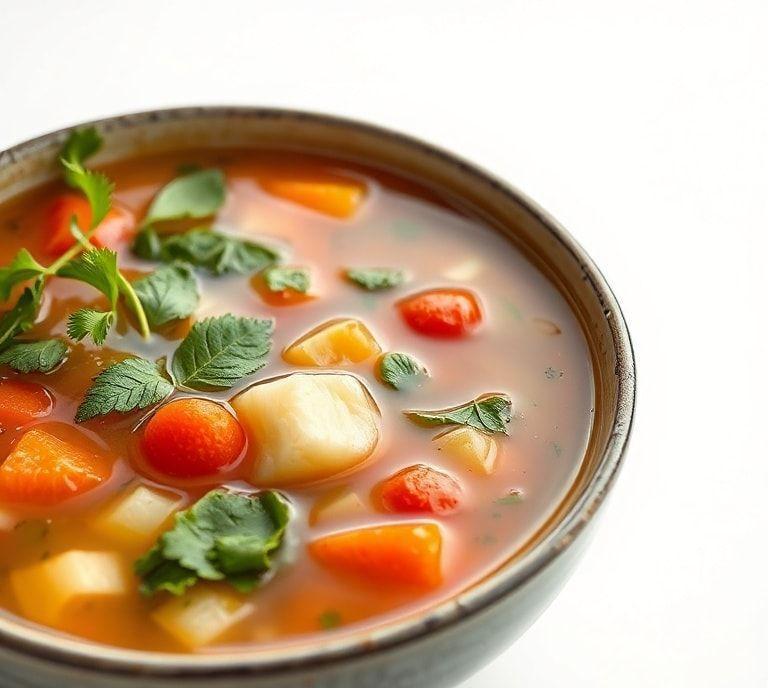
This vegetarian soup stock is rich, savory, and full of depth-just like any good broth should be. It’s got a balance of earthy, umami flavors that make it perfect as a base for soups, risottos, or even just a flavorful drink to sip on during colder days. The best part? You can make it in a single pot, and it’s a fantastic way to clean out your vegetable drawer. It also gives you complete control over the salt and seasoning, which can often be a little too overpowering in store-bought varieties.
Ingredients Needed
Here’s what you’ll need for your homemade vegetarian soup stock:
- 2 tablespoons olive oil – To sauté your vegetables, giving them that caramelized depth.
- 1 large onion – It’s the base for almost any stock and adds that comforting sweetness when it’s sautéed.
- 2 carrots – These add a slight sweetness and a beautiful color to your stock.
- 2 celery stalks – Celery brings a subtle earthiness and an aromatic freshness.
- 2 garlic cloves – Fresh garlic gives your stock a nice, rich flavor.
- 1-2 bay leaves – They bring a herby, slightly floral fragrance to the mix.
- 6-8 cups water – This will be your stock’s base. You can adjust depending on how concentrated you want the flavor to be.
- 1 teaspoon dried thyme – A perfect herb for building depth in the broth.
- A few sprigs fresh parsley (or 1 tablespoon dried) – Adds brightness and balance.
- 1 tablespoon soy sauce or tamari – This boosts the umami flavors.
- 1 teaspoon black peppercorns – For a little kick and spiciness.
- Salt to taste – Always adjust to your preference!
If you want to make it even more complex, you can also throw in a few dried mushrooms or a splash of white wine for extra depth. These are optional, but they bring a rich, almost meaty flavor that adds another layer of character to your stock.
Cooking Instructions
- Sauté the Veggies: Start by heating the olive oil in a large stockpot over medium heat. Add the onion, carrots, and celery, and sauté for about 10-15 minutes until the vegetables begin to soften and caramelize slightly. This is where the magic happens-the sweet, savory base for your stock forms here.
- Add Garlic and Herbs: Toss in the garlic, thyme, bay leaves, and peppercorns. Stir everything together and let it cook for another 2-3 minutes until the garlic becomes fragrant. Be careful not to burn it!
- Simmer the Stock: Add the water, soy sauce (or tamari), and fresh parsley to the pot. Stir everything together and bring it to a gentle boil. Once it’s boiling, reduce the heat to low and let the stock simmer uncovered for about 45 minutes to an hour. You’ll notice the stock turning a beautiful golden color, and the flavors will deepen as it simmers.
- Strain and Season: After the simmering time is up, strain the stock through a fine mesh sieve or cheesecloth into a large bowl, discarding the solids. Taste your stock and adjust the seasoning with salt if needed.
- Store or Use Immediately: You can use the stock right away for your soups or other recipes. Or, if you’re planning ahead, let it cool completely before transferring it to containers. It will keep in the fridge for about 4-5 days, or you can freeze it for up to 3 months. Freezing in ice cube trays is a great way to portion out small amounts for when you just need a bit of stock!
Ingredient Science Spotlight
One of the most fun aspects of making stock is understanding the science behind how the ingredients come together to create something far greater than the sum of their parts.
- Onions: When onions cook down, they release sugars that caramelize, giving your stock that deep, rich base. They also contain compounds that contribute to umami, the savory “fifth taste”, which is a big part of the flavor profile of any good broth.
- Carrots: These add natural sweetness, which balances out the earthy notes of the other ingredients. Their sugars also help enhance the flavor of the stock as they cook down.
- Celery: Celery contributes to the aromatic freshness of the stock. It’s often considered a “background” flavor, but its subtlety is key to the overall balance.
- Soy Sauce: This is a secret weapon in creating umami depth. Even though it’s not a “vegetable”, the fermentation process of soy sauce introduces amino acids that mimic the savory qualities found in meat-based stocks.
- Garlic and Bay Leaves: Both of these are famous for their ability to add complexity. Garlic has sulfur compounds that bring an almost creamy richness to the stock, while bay leaves introduce a slightly bitter, aromatic note that makes everything else pop.
Expert Tips
- Use Cold Water for a Clearer Stock: Starting with cold water and slowly bringing it to a boil allows for better extraction of flavors and results in a clearer stock.
- Don’t Skip the Simmer: A good stock is all about time. Simmering it for at least 45 minutes allows the flavors to meld together and develop that deep, rich taste. It’s a slow process, but worth every minute.
- Add Leftover Veggies: Don’t let leftover veggie scraps go to waste! The ends of carrots, onion skins, and celery leaves can be tossed into your stock for extra flavor. It’s a great way to reduce food waste while boosting flavor.
- Taste as You Go: Don’t be afraid to adjust as you go. If you find the stock a little too light, let it cook down for longer. If it’s too salty, add more water to balance things out.
Recipe Variations
Once you’ve got the basic vegetarian soup stock down, feel free to get creative with variations! Here are a few ideas:
- Mushroom Stock: Add a handful of dried mushrooms, like porcini, to the pot for a richer, earthier flavor.
- Spicy Stock: For a little heat, throw in a couple of dried chili peppers or a pinch of red pepper flakes.
- Herb-Focused Stock: For a fresh twist, use herbs like rosemary, dill, or sage in place of parsley and thyme. It’ll give the stock a completely different vibe.
- Asian-Inspired Stock: For an Asian twist, add a piece of ginger, a few star anise, and a splash of rice vinegar or mirin.
Final Words
Making your own vegetarian soup stock is one of those small acts of culinary alchemy that gives your meals a homemade touch. Sure, it takes time, but the effort is so worth it. The layers of flavor you can build are unmatched, and having a homemade stock on hand makes it that much easier to create soups, sauces, and stews that taste like they’ve been simmering for hours. Plus, it’s an excellent way to clear out your veggie drawer and get creative with what you have.
FAQs
What Ingredients Are Needed To Make A Basic Vegetarian Soup Stock?
To make a basic vegetarian soup stock, you will need a variety of fresh vegetables and herbs. Common ingredients include onions, carrots, celery, garlic, leeks, tomatoes, and mushrooms. For added flavor, you can include bay leaves, thyme, rosemary, peppercorns, and parsley. Water is the base liquid, and salt can be added to taste.
How Long Should Vegetarian Soup Stock Be Simmered To Develop Maximum Flavor?
To achieve a rich and flavorful vegetarian soup stock, you should simmer the ingredients for about 45 minutes to 1 hour. This allows the vegetables and herbs to release their natural flavors. If you prefer a more concentrated stock, you can simmer for up to 2 hours, ensuring to occasionally check the liquid level and add water if necessary.
Can I Make Vegetarian Soup Stock Ahead Of Time And Store It?
Yes, vegetarian soup stock can be made ahead of time and stored for later use. After cooking, let the stock cool completely before transferring it to an airtight container. It can be refrigerated for up to 5 days or frozen for up to 3 months. When freezing, consider storing the stock in smaller portions for easy use in future recipes.