If you’ve ever found yourself craving a savory, hearty meal that packs a punch of nostalgia without the meat, you’re in the right place. I remember the first time I made a vegetarian version of Spam; it was one of those experiments that turned into something unexpectedly wonderful. Growing up, Spam was one of those foods I associated with simple comfort – a quick meal my parents would make when we were all too busy or tired to cook anything elaborate. But as I grew older, my tastes changed, and I embraced plant-based cooking. The idea of creating a vegetarian Spam felt like a fun challenge. Could I recreate that salty, savory goodness with just plants? Spoiler: I could – and the results were so good that I’ve been making it ever since.
So if you’ve ever wanted to indulge in the flavor of Spam but don’t want to deal with animal products, this recipe is your ticket. Not only is it delicious, but it’s customizable too. Think of it as a reinvention of a classic – a modern, plant-powered version of something that’s been loved for generations.
Vegetarian Spam Recipe
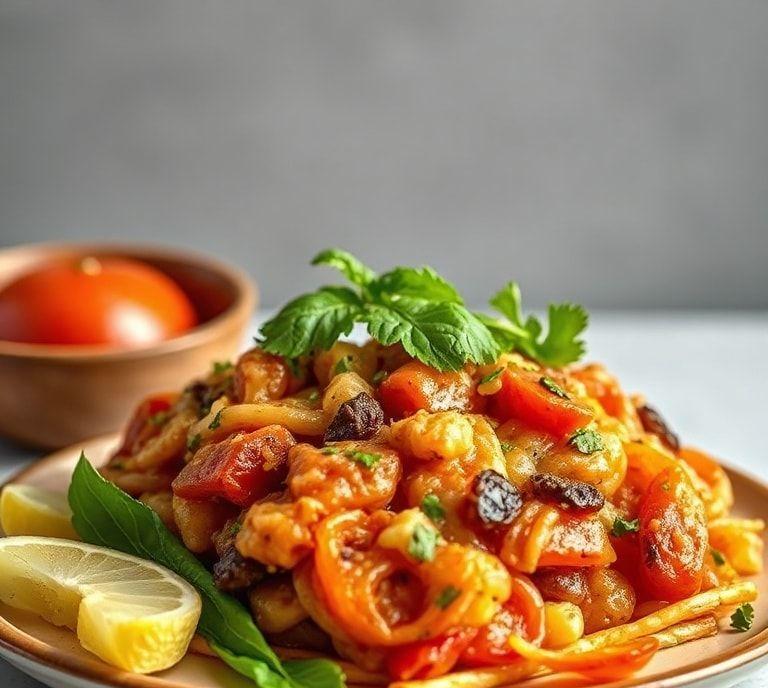
Here it is, the star of the show. The ultimate vegetarian Spam recipe that I’ve come to rely on when I want that satisfying, salty, and meaty taste without the meat. The recipe is surprisingly simple and doesn’t require any obscure ingredients, making it accessible even for those new to plant-based cooking.
It combines tofu with a few essential ingredients to mimic the texture and taste of the beloved canned meat. While it might not be an exact replica, it’ll satisfy that craving, and then some. If you’ve ever felt that craving for something indulgent but also plant-forward, this will hit all the right notes.
Ingredients Needed
Before we dive into the process of cooking, let’s take a quick look at the ingredients. They’re all pretty easy to find, and nothing too exotic, which is one of the things I love most about this recipe.
- Tofu (firm, extra firm works best for texture)
- Soy sauce (or tamari for a gluten-free option)
- Liquid smoke (this gives it that smoky, meaty flavor)
- Nutritional yeast (this adds a savory, cheesy umami taste)
- Maple syrup or agave syrup (to balance out the saltiness with a touch of sweetness)
- Garlic powder and onion powder (classic seasonings for that aromatic kick)
- Smoked paprika (for a subtle smokiness)
- Cornstarch (helps bind the tofu together and gives it that Spam-like density)
Now, you might be looking at this list and thinking, ’Wait, tofu as the base?’ But trust me, the combination of these ingredients will transform tofu into something that’s unmistakably Spam-ish, without the weird gelatinous texture or questionable aftertaste. It’s all about layering those flavors.
Cooking Instructions
Let’s get to the good stuff – making the vegetarian Spam. The process is easy and pretty quick, which is a huge bonus for busy weeknights or when you’re just in the mood for a comforting meal. Here’s how to do it:
- Press the tofu: Start by pressing the tofu to remove excess moisture. This is key for getting that dense, meaty texture. You can use a tofu press, or if you don’t have one, simply wrap the tofu in a clean kitchen towel, place it on a plate, and set a heavy object (like a can of beans) on top. Let it press for about 10-15 minutes.
- Prepare the marinade: While the tofu is being pressed, whisk together the soy sauce, liquid smoke, maple syrup, nutritional yeast, garlic powder, onion powder, smoked paprika, and a little bit of water in a bowl. This is your Spam marinade, and it’s packed with umami and depth.
- Slice the tofu: Once the tofu is pressed, cut it into slabs about ½ inch thick. These slices will resemble the shape and size of traditional Spam. You can make them rectangular, or square, whichever feels right.
- Coat with cornstarch: In a shallow dish, mix some cornstarch with a pinch of salt. Dredge each tofu slice through this cornstarch mixture, making sure it’s coated evenly. This step helps give the tofu that crispy outer layer once it’s cooked, just like Spam.
- Fry the tofu: Heat a bit of oil in a skillet over medium-high heat. Once it’s hot, add the tofu slices in batches, cooking them for about 4-5 minutes per side until they’re golden brown and crispy.
- Marinate: After frying, pour the prepared marinade over the tofu slices and let it simmer for a couple of minutes until the tofu absorbs the sauce and gets that rich, deep color. You can even let it sit in the marinade for a few minutes to soak up all the flavors before serving.
- Serve: You’re done! Serve your vegetarian Spam with a side of rice, in a sandwich, or however you like to enjoy Spam. It’s just as versatile as the real thing!
Ingredient Science Spotlight
Let’s talk for a moment about some of the key ingredients here and why they work so well. First up, tofu. Tofu is like a blank canvas – its neutral flavor allows it to absorb whatever you pair it with, and the texture can range from silky to firm, depending on how it’s prepared. For this recipe, firm tofu is essential. It holds up well during frying, which gives it a crisp exterior and a dense, meaty texture inside.
Then there’s liquid smoke, which is the magic ingredient that mimics that smoky, grilled flavor that Spam has. It’s made by capturing the smoke from burning wood chips and dissolving it into water, giving you all the flavor without the need for an actual grill. It adds that perfect touch of smokiness that makes this vegetarian Spam so convincing.
Nutritional yeast is another key player. It’s packed with B vitamins and has a savory, cheesy flavor that really adds depth to the dish. It’s a go-to for a lot of plant-based recipes that need an umami kick, and in this case, it helps replicate the savory goodness of Spam.
Lastly, maple syrup or agave syrup gives a slight sweetness, balancing out the saltiness of the soy sauce and bringing everything together. This contrast of sweet and salty is what gives Spam its addictive quality, and here, it works just as well.
Expert Tips
- Pressing tofu is essential: Don’t skip this step! The less moisture in your tofu, the better the texture when frying. The more moisture you press out, the more the tofu can absorb the marinade and develop that rich flavor.
- Add extra marinade: If you want more flavor, marinate the tofu for an hour or even overnight in the fridge before frying. The longer it sits, the more flavor it soaks up.
- Fry in batches: Don’t overcrowd the pan! Give each tofu slice enough room to crisp up properly. If you overcrowd, they’ll steam instead of crisping, which doesn’t give you that nice golden texture.
- Try it in a Spam musubi: If you’re feeling adventurous, try making a vegetarian Spam musubi. It’s a classic Hawaiian dish that pairs a slice of Spam with sushi rice and seaweed. Just replace the Spam with your homemade vegetarian version!
Recipe Variations
While this vegetarian Spam recipe is fantastic on its own, it’s also a great jumping-off point for experimenting with flavors and textures. Here are a few ways you can make it your own:
- Spicy Vegetarian Spam: Add some sriracha or chili flakes to the marinade for a spicy kick. It’ll balance out the sweetness and give you a bit of heat, perfect if you like your food with some extra spice.
- BBQ Vegetarian Spam: Swap the liquid smoke for your favorite BBQ sauce and add a touch of brown sugar for sweetness. This version will have a tangy, sweet flavor that’s perfect for a BBQ sandwich or burger.
- Smoky Maple Bacon Variant: If you’re really craving a smoky, bacon-like version, use a little bit of smoked paprika and maple syrup together, giving the tofu slices that sweet and smoky bacon flavor.
- Breaded Vegetarian Spam: For an even crispier version, dip the tofu slices in breadcrumbs before frying. This gives them a crunchy outer layer that’s even more satisfying.
Final Words
At the end of the day, this vegetarian Spam recipe is all about taking a childhood comfort food and making it something new, fresh, and plant-based. Whether you’re a long-time vegetarian or just curious about plant-based alternatives, this recipe proves that comfort food doesn’t have to involve meat. With a few simple ingredients and a little time, you can have a delicious, hearty meal that’s full of flavor and nostalgia – minus the animal products.
FAQs
What Ingredients Can I Use To Make Vegetarian Spam?
Vegetarian spam can be made using plant-based ingredients such as tofu, tempeh, seitan, chickpeas, or a combination of legumes and grains. Seasonings like soy sauce, liquid smoke, garlic powder, onion powder, paprika, and nutritional yeast help mimic the savory, umami flavor of traditional spam. Binding agents such as cornstarch, arrowroot powder, or chickpea flour can help achieve the firm texture typical of spam.
How Do I Cook Vegetarian Spam So It Has A Similar Texture To Regular Spam?
To replicate the texture of traditional spam, press and drain tofu or tempeh thoroughly to remove excess moisture. For seitan or legume-based versions, kneading and shaping the mixture before steaming or baking helps create a firm, sliceable texture. Pan-frying, baking, or air-frying slices of the cooked mixture adds a golden-brown exterior and slightly crisp edges, enhancing the similarity to canned spam.
Can I Use Vegetarian Spam In Traditional Spam Recipes?
Yes, vegetarian spam can substitute regular spam in most recipes, including fried rice, sandwiches, musubi, and casseroles. Because plant-based versions may have a milder flavor and slightly different texture, adjusting seasonings or lightly marinating the slices before cooking can help achieve a taste closer to the original dish.