When you think of comfort food, what comes to mind? For me, it’s always something that feels like a hug-warm, satisfying, and made with ingredients that have been passed down through the years. And while meat-based casseroles often steal the spotlight, there’s something deeply heartwarming about a well-made vegetarian casserole, especially when it’s loaded with hearty vegetables like squash. This dish isn’t just a meal; it’s a celebration of simple ingredients coming together to create something greater than the sum of its parts. If you’re someone who’s drawn to fresh, seasonal veggies and flavors that lean into the natural sweetness of the ingredients, this vegetarian squash casserole will quickly become a staple in your kitchen.
I remember the first time I tried making squash casserole-it’s one of those recipes that feels like it should be complicated but is surprisingly straightforward. The creamy texture, the soft golden squash, and the crunchy topping? It was like the casserole was giving me a warm kitchen hug. So, if you’re ready to embrace a dish that’s both cozy and flavorful, let’s dive in!
Vegetarian Squash Casserole Recipe
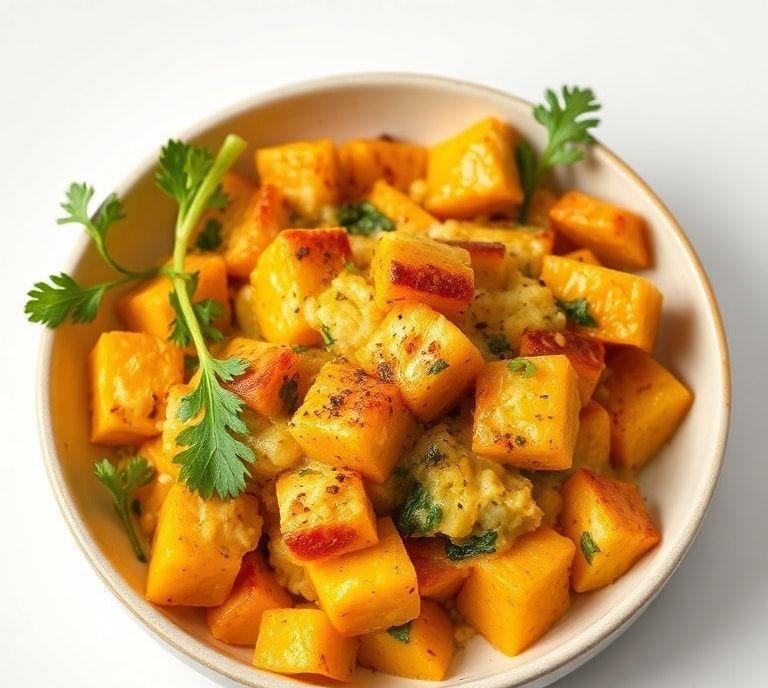
This vegetarian squash casserole is an easy-to-make dish that brings out the very best of squash’s sweet, mellow flavor while offering a creamy texture and a crunchy topping. Whether you’re preparing it for a weeknight dinner or serving it at a holiday gathering, this casserole is the perfect balance of comfort and lightness.
Here’s how you make it:
Ingredients Needed
- 3 medium yellow squash (about 4 cups sliced)
- 1 tablespoon olive oil
- 1 medium onion, diced
- 2 cloves garlic, minced
- 1/2 cup grated Parmesan cheese
- 1/2 cup breadcrumbs (preferably panko for extra crunch)
- 1/2 cup sour cream
- 1/2 cup shredded cheddar cheese
- 1 egg, beaten
- 1/2 teaspoon salt
- 1/4 teaspoon black pepper
- 1/4 teaspoon paprika
- Fresh herbs for garnish (optional, I love a little fresh thyme or parsley on top!)
Cooking Instructions
- Preheat your oven to 350°F (175°C) and grease a medium-sized casserole dish with a little butter or cooking spray.
- Prepare the squash: Slice the squash into 1/4-inch thick rounds. I prefer to leave the skin on because it gives the casserole a nice texture, but you can peel them if you like. Set the slices aside.
- Cook the onion and garlic: Heat the olive oil in a large skillet over medium heat. Add the diced onion and sauté for about 5 minutes until softened. Add the minced garlic and cook for another 30 seconds until fragrant. The kitchen will smell wonderful!
- Cook the squash: Add the squash slices to the skillet with the onions and garlic. Cook for about 5-7 minutes, stirring occasionally, until the squash starts to soften. If there’s excess moisture, let it cook off to avoid a soggy casserole. You want the squash to be tender but not mushy.
- Mix the casserole filling: In a large bowl, combine the cooked squash mixture with the sour cream, beaten egg, Parmesan, cheddar, salt, pepper, and paprika. Stir everything together until it’s well mixed.
- Transfer to the casserole dish: Spoon the mixture into the prepared casserole dish and spread it evenly.
- Top with breadcrumbs: In a small bowl, combine the breadcrumbs with a tablespoon of melted butter (this is where the magic happens for that golden, crispy topping). Sprinkle the buttery breadcrumbs evenly over the casserole.
- Bake: Place the casserole in the preheated oven and bake for 25-30 minutes, or until the top is golden brown and the casserole is bubbling around the edges.
- Garnish and serve: Once baked, sprinkle some fresh herbs on top (if desired), and serve hot. Your vegetarian squash casserole is ready to be enjoyed!
Ingredient Science Spotlight
Here’s the fun part-let’s dive into a little bit of food science. Squash, particularly yellow squash, is naturally low in calories but packed with vitamins like A and C. The vitamin A in squash is important for skin health and maintaining a strong immune system. Plus, the slightly sweet taste of squash is a result of its natural sugars that caramelize when cooked, which contributes to that lovely depth of flavor.
Then there’s the magic of the egg in the recipe. It acts as a binder that holds everything together, creating a smoother, creamier texture. The dairy (sour cream, cheddar, and Parmesan) adds a richness to the dish that balances the mildness of the squash, creating that perfect "comfort food" feel.
The breadcrumbs, meanwhile, are more than just a garnish-they add texture, a satisfying crunch that contrasts beautifully with the softness of the squash mixture. The key is in that tablespoon of butter mixed into the breadcrumbs. This fat helps the crumbs brown and crisp up in the oven, creating a golden topping that’s irresistible.
Expert Tips
- Seasonal squash: If you’re lucky enough to have access to a farmer’s market, grab some fresh, seasonal squash. The flavor will be even more vibrant, and the texture will be firmer than the pre-packaged ones from the grocery store.
- Make ahead: This casserole can be made a day or two ahead. Just prepare the casserole up to the point where you add the breadcrumb topping, cover it, and refrigerate. When you’re ready, pop it in the oven, add the topping, and bake. It’ll save you time on busy days!
- Adding depth of flavor: If you’re looking to add a bit more depth, you can sauté the squash with a little bit of fresh thyme or rosemary, or even some red pepper flakes for a subtle kick. If you love garlic (who doesn’t?), add an extra clove or two when cooking the onion.
- Perfecting the topping: The breadcrumbs are where you can get creative. Panko gives a lighter, airier crunch, but you could use crushed crackers, crushed cornflakes, or even grated cheese for a more decadent twist. Just be sure to add that butter-it makes all the difference.
Recipe Variations
There are plenty of ways to make this casserole your own. Here are a few ideas to mix things up:
- Zucchini Squash Casserole: If you have zucchini on hand (or prefer it), swap the yellow squash for zucchini. The texture will be slightly different but still delicious.
- Add more veggies: This recipe is the perfect canvas to add in more vegetables. Try adding bell peppers, mushrooms, or even spinach. Just make sure to cook the veggies thoroughly to avoid excess moisture.
- Vegan Version: For a dairy-free and vegan alternative, use vegan sour cream, plant-based cheeses, and swap the egg for a flax egg (1 tablespoon of ground flaxseed mixed with 3 tablespoons of water). The result will be just as creamy and satisfying!
- Cheese Lover’s Delight: If you can’t get enough cheese, go ahead and throw in some mozzarella or Gruyère for extra meltiness. A layer of cheese right under the breadcrumbs can give it that gooey factor!
Final Words
Sometimes the best recipes come from simplicity. This squash casserole doesn’t require any fancy ingredients or complicated techniques, yet the end result is pure magic. It’s one of those dishes that invites you to slow down, take a seat, and enjoy the fruits of your labor. Every bite is a reminder of why we cook-because food has the power to comfort and bring people together. Whether it’s a weeknight dinner or a side dish at a special gathering, this vegetarian squash casserole will never disappoint.
FAQs
What Are The Key Ingredients In A Vegetarian Squash Casserole?
A vegetarian squash casserole typically includes yellow squash or zucchini, onions, garlic, and a binder such as eggs or a dairy alternative. Additional ingredients often include shredded cheese or a vegan cheese substitute, breadcrumbs or crushed crackers for topping, and seasonings like salt, pepper, and herbs. Some recipes also incorporate cream, milk, or a plant-based milk to create a creamy texture.
Can I Make A Vegetarian Squash Casserole Ahead Of Time?
Yes, a vegetarian squash casserole can be prepared in advance. You can assemble the casserole a day before baking and store it covered in the refrigerator. When ready to serve, bake it in the oven until heated through and golden on top. This makes it convenient for meal planning or holiday gatherings. Some recipes also allow freezing; in that case, bake it from frozen, adding extra time to ensure it heats evenly.
How Can I Make A Vegetarian Squash Casserole Healthier?
To make a healthier version of a vegetarian squash casserole, you can reduce or substitute high-fat ingredients such as full-fat cheese or cream with lower-fat alternatives or plant-based options. Using whole-grain breadcrumbs, adding extra vegetables like carrots or bell peppers, and limiting added salt can also improve its nutritional profile. Additionally, roasting the squash instead of sautéing it in oil can enhance flavor while reducing calories.