Let’s talk about a dish that holds a special place in my heart-Vegetarian Stew Peas. If you’ve ever had a chance to try Jamaican stew peas, you know it’s the kind of meal that just envelops you in warmth, comfort, and heartiness. Traditionally, it’s made with salted meats like pig’s tail or beef, but the vegetarian version is a revelation. It gives you all the rich, flavorful goodness without the need for animal products, but trust me, it’s still a meal that’s satisfying enough to make you feel like you’ve been treated to something special.
The roots of this dish are tied to the island’s deep agricultural traditions. The peas (or beans) are harvested fresh from the earth, and you’ll often find them served alongside rice and fried plantain, creating that perfect balance of savory and sweet. In my home, my grandmother would make this dish whenever we gathered together on Sundays. The fragrance of simmering beans and spices would fill the house, and everyone would gather in the kitchen, eagerly awaiting their share. The best part was always the leftover stew peas on Monday-somehow it always tasted even better after it had sat overnight.
Now, the vegetarian version brings all the same flavors, but without any of the guilt that might come from eating meat. It’s filling, satisfying, and perfect for both vegetarians and non-vegetarians alike.
Vegetarian Stew Peas Recipe
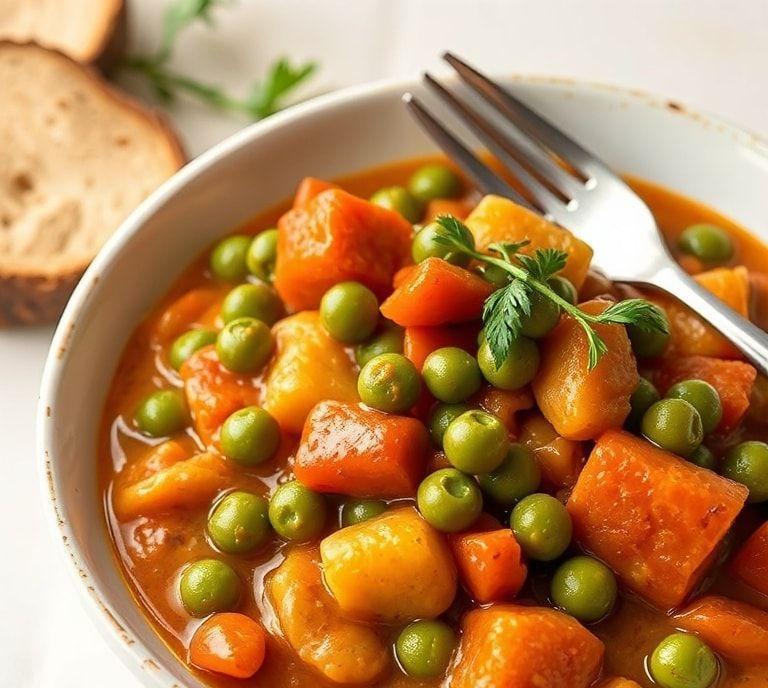
You might think that making a delicious, hearty vegetarian stew peas would require a lot of fancy ingredients or complex steps. But I promise you, this recipe is one of those where simplicity truly shines. It’s all about letting the beans, spices, and coconut milk work their magic together. The vegetables (like carrots, scallions, and garlic) give depth, while the choice of seasonings-like thyme, pimento, and scotch bonnet pepper-bring in the vibrant flavors of the Caribbean.
I remember the first time I decided to make this dish on my own. I was a teenager, standing in my kitchen, nervous but determined. I didn’t have the same level of cooking experience as my grandmother, but the joy of being able to recreate her recipes was a feeling that fueled me. After a few attempts and a lot of trial and error, I finally found the right balance of ingredients and flavors. It was a true moment of culinary triumph.
So, let’s dive into this recipe and recreate that comforting magic together!
Ingredients Needed
Here’s what you’ll need to bring this dish to life:
- 1 cup dried red kidney beans (or you can use gungo peas if you prefer)
- 1 can of coconut milk (full-fat for that rich flavor)
- 1 medium onion, chopped
- 2 cloves garlic, minced
- 2 carrots, chopped
- 3 scallions, chopped
- 1 sprig thyme (fresh or dried)
- 1 scotch bonnet pepper (or any hot pepper, depending on your spice preference)
- 1 teaspoon pimento seeds (allspice)
- 2 tablespoons vegetable oil
- Salt and pepper to taste
- Water (enough to cook the beans)
For some extra flavor, you can also toss in some fresh ginger or lime juice towards the end of cooking, but this is optional.
I know, it doesn’t seem like a lot when you lay it all out. But trust me, this simple combo of ingredients is going to work wonders.
Cooking Instructions
- Soak the Beans: The first step in making any stew peas is to make sure the beans are well-prepared. If you have time, soak the beans overnight in water-this helps them cook faster and makes them more tender. If you’re in a pinch, a quick 30-minute soak in hot water will work fine too. Drain before cooking.
- Cook the Beans: In a large pot, add the soaked beans and cover them with about 5-6 cups of water. Bring it to a boil, then reduce the heat and let it simmer for about 45 minutes to an hour, or until the beans are tender. Depending on your beans, this could take a little more or less time, so check them periodically.
- Sauté the Veggies: While the beans are simmering, heat the vegetable oil in a pan. Add the onions, garlic, carrots, and scallions. Sauté for about 5-7 minutes, until everything is softened and fragrant. The smell of sautéed garlic and onions brings back memories of so many home-cooked meals.
- Add the Spices: Now add the thyme, pimento seeds, scotch bonnet pepper (whole), salt, and pepper. Stir everything together to infuse the flavors, then add this mixture to the beans once they’ve softened. Stir everything to combine, then add the coconut milk and another cup or so of water. Bring it to a boil again.
- Simmer and Simmer Some More: Reduce the heat to low and let the stew simmer for at least another 30 minutes, but the longer you let it go, the better the flavor. Some people like to let their stew peas cook for a couple of hours to really develop a rich, thick consistency. Add extra water if needed to keep it from drying out.
- Taste and Adjust: At this point, taste your stew. You might want to add a little more salt or pepper, depending on how it’s coming together. If you like it spicier, you can also chop the scotch bonnet pepper into the stew.
- Finish Up: Once everything is cooked down and the flavors have melded together, remove the scotch bonnet pepper (unless you want it super spicy, then leave it in!). Stir in a little lime juice for some brightness and balance.
Serve your stew peas hot over rice or with a side of fried plantain for a complete meal.
Ingredient Science Spotlight
One of the things I absolutely love about cooking is how much science is involved in each ingredient-how they work together, how they break down, and how they release their flavors. In this dish, a few ingredients stand out.
First, kidney beans (or gungo peas) are the backbone of the dish. They’re rich in protein, fiber, and complex carbohydrates. Kidney beans, especially, are known for their heart-healthy properties due to their high fiber content. The long cooking time allows the beans to break down, giving the stew its signature thick and creamy texture.
Then there’s the coconut milk. It’s not just for flavor-it also helps with the dish’s richness. The fats in coconut milk provide a luxurious mouthfeel and balance the heat from the scotch bonnet pepper. It’s also full of medium-chain triglycerides (MCTs), which are easier for the body to digest and use for energy.
Lastly, the pimento seeds (allspice) bring a warm, aromatic flavor to the stew. The essential oils in pimento seeds are what give them their signature scent. Allspice is actually a combination of flavors, like cinnamon, nutmeg, and cloves, which is why it works so well in Caribbean cooking.
Expert Tips
- Don’t Skimp on the Coconut Milk: Use full-fat coconut milk for the creamiest texture. It’s one of those key ingredients that makes this dish feel like a special occasion meal.
- Add Veggies for Texture: Carrots, scallions, and onions are standard, but you can also experiment with other vegetables like sweet potatoes or pumpkin. They’ll add natural sweetness and more depth to the stew.
- Adjust Spice Levels: If you love heat, leave the scotch bonnet pepper whole and let it infuse. But, if you prefer a milder heat, slice it and remove the seeds, or even skip it entirely for just a hint of spice.
- Don’t Rush the Cooking: Stew peas is a dish that benefits from slow cooking. Let it simmer for a while so the flavors can really come together.
Recipe Variations
- Lentil Stew Peas: If you don’t have kidney beans on hand, you can substitute them with lentils. The texture will be different, but the flavors will still shine through.
- Add Dumplings: For that extra Caribbean touch, add some traditional flour dumplings into the stew. They soak up the flavors and add that comforting chewiness.
- Vegan Sausage Option: For some extra bite, you can toss in some vegan sausage or tofu. It’ll take on the stew’s rich flavors while adding some protein.
Final Words
Vegetarian Stew Peas is one of those dishes that’s deceptively simple but packed with soul-satisfying flavor. It’s a dish that, no matter how many times I’ve made it, always brings me back to the kitchen memories of my childhood. The beauty of it lies in how the ingredients, while few, create something magical when cooked together.
Whether you’re a vegetarian or just looking to try something new, this recipe is the perfect combination of tradition and modernity. Plus, it’s one of those dishes that gets better with time, so don’t hesitate to make extra and enjoy it the next day.
FAQs
What Are The Main Ingredients In A Vegetarian Stew Peas Recipe?
The main ingredients for a vegetarian stew peas recipe typically include kidney beans (or another variety of peas like pigeon peas), coconut milk, carrots, onions, garlic, thyme, scallions, and allspice. Some recipes may also include potatoes, bell peppers, or plantains for added texture and flavor. The dish is usually seasoned with salt and pepper, and sometimes scotch bonnet pepper for heat.
How Do I Make The Stew Peas Vegan-friendly?
To make a vegan-friendly vegetarian stew peas recipe, simply ensure that all ingredients are plant-based. The traditional recipe often includes ingredients like butter or chicken stock, which can be replaced with olive oil or vegetable broth. Additionally, make sure that the seasonings, such as soy sauce or other flavorings, are vegan. As coconut milk is already vegan, it can be used to provide the rich, creamy base for the stew.
Can I Use Dried Peas Instead Of Canned Peas In The Vegetarian Stew Peas Recipe?
Yes, you can use dried peas in your vegetarian stew peas recipe. If you are using dried peas, you will need to soak them overnight and cook them until tender, which may take longer than canned peas. Be sure to cook the peas in plenty of water and adjust the cooking time accordingly. Once the peas are tender, follow the recipe instructions for adding the coconut milk and other ingredients.