If you’ve ever found yourself craving something hearty yet light, nourishing yet satisfying, then you’re in for a treat with this vegetarian stew recipe. Stews, at their core, are the ultimate comfort food-rich, full of flavor, and perfect for those chilly evenings when you need a hug in a bowl. But what if you could enjoy all of those delicious qualities while keeping things fresh, healthy, and entirely plant-based? That’s where a vegetarian stew shines.
This recipe comes from a place of simplicity-a dish that takes little more than chopping a few veggies, throwing them into a pot, and letting time work its magic. In my experience, the best stews don’t need much in terms of fancy techniques or hard-to-find ingredients; it’s about letting the flavors mingle, letting the vegetables take center stage, and giving them a chance to develop a depth of taste that you can’t rush.
Over the years, I’ve come to love the versatility of vegetarian stews. Some days, it’s all about the warmth and comfort of familiar ingredients, while other times, it’s an experiment with whatever’s lying around in the fridge. But one thing I’ve learned is this: if you focus on using quality, fresh ingredients and give the stew enough time to simmer, you’re bound to have a delicious meal, no matter the day.
Vegetarian Stew Recipe
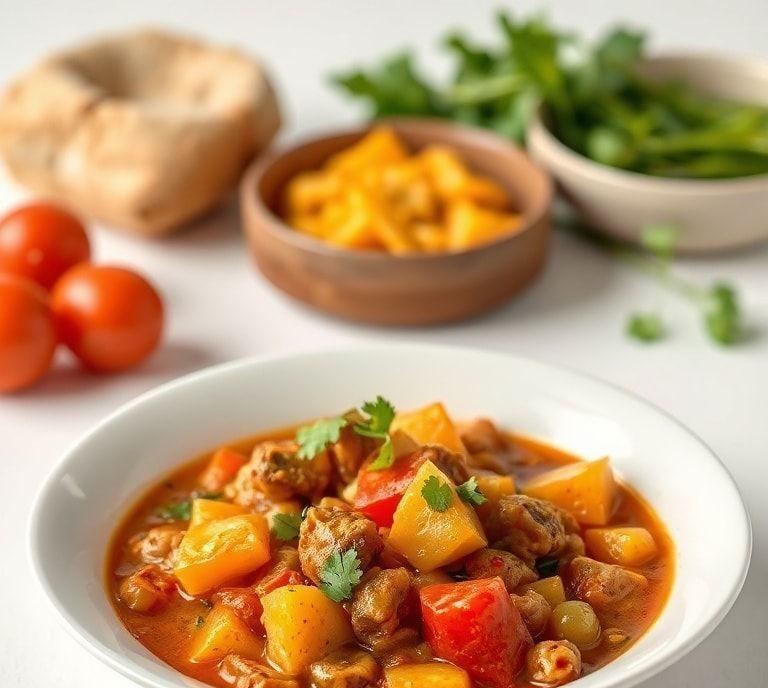
So let’s dive right in! Here’s a recipe that’s perfect for any season but especially ideal as the weather cools down. It’s a one-pot dish that’s not only easy to prepare but also a blank canvas for your creativity.
Ingredients Needed
- 1 tablespoon olive oil
- 1 medium onion, chopped
- 2 cloves garlic, minced
- 2 medium carrots, sliced
- 1 medium potato, diced
- 2 stalks celery, chopped
- 1 zucchini, sliced
- 1 can (15 oz) diced tomatoes
- 1 can (15 oz) chickpeas, drained and rinsed
- 4 cups vegetable broth
- 1 teaspoon dried thyme
- 1 teaspoon dried oregano
- 1/2 teaspoon paprika
- 1/4 teaspoon turmeric
- Salt and pepper, to taste
- 2 cups kale or spinach, roughly chopped
- 1 tablespoon lemon juice
- Fresh parsley, chopped (for garnish)
Cooking Instructions
- Prep the vegetables: Begin by getting all of your vegetables ready. This part can be soothing-there’s something about chopping vegetables that feels almost meditative. Dice your potatoes, slice your carrots and zucchini, and chop your onions, garlic, and celery.
- Sauté the base: In a large pot, heat the olive oil over medium heat. Add your chopped onion and garlic and cook, stirring occasionally, for about 5 minutes until the onions are softened and translucent. This is where the stew starts to come alive, as the onion and garlic fragrance fills the kitchen.
- Add the veggies: Toss in the carrots, celery, and potatoes. Stir them around for a couple of minutes to coat them with the oil and give them a bit of color.
- Simmer the stew: Add the canned tomatoes, chickpeas, and vegetable broth to the pot. Stir in the thyme, oregano, paprika, turmeric, and a pinch of salt and pepper. Bring the stew to a boil, then lower the heat to a simmer. Cover the pot and let it cook for about 25-30 minutes, or until the vegetables are tender and the flavors have melded together.
- Add greens and finish: Once the vegetables are done, stir in the chopped kale or spinach, letting it wilt into the stew. Finish with a squeeze of lemon juice and a sprinkle of fresh parsley for brightness. Adjust the seasoning as needed-sometimes a little extra salt or a pinch of pepper is all it needs.
Ingredient Science Spotlight
Let’s take a moment to appreciate the science behind some of the key ingredients in this stew.
- Chickpeas: These little legumes pack a nutritional punch, offering plant-based protein and fiber. The reason chickpeas (and beans in general) are so great in stews is that they absorb the flavors of the broth, turning into creamy, savory bites that balance out the vegetable-heavy nature of the dish. Plus, they have a mildly nutty taste that complements the other ingredients perfectly.
- Turmeric: This vibrant yellow spice isn’t just for color-it’s packed with curcumin, a compound with anti-inflammatory properties that can help support digestion and overall well-being. Turmeric also has a warm, earthy flavor that adds depth to the stew, especially when paired with paprika.
- Kale/Spinach: These leafy greens are loaded with vitamins A, C, and K. They’re high in antioxidants, which help neutralize free radicals in the body, and they add a beautiful pop of green to the dish. The greens also provide a satisfying texture contrast to the soft vegetables and chickpeas.
Expert Tips
- Layering the flavors: Don’t rush through the cooking process. Let the stew simmer on low heat for a while to allow all of the flavors to develop. The longer it cooks, the more the flavors meld together.
- Make it richer: If you prefer a richer, creamier stew, add a can of coconut milk or a dollop of cashew cream at the end. It’ll give the stew a velvety texture and a slightly sweet, nutty flavor.
- Seasoning to taste: Taste is everything when it comes to stew. Start with a base of salt and pepper, but adjust as you go. Add a little extra paprika for smokiness or a dash of cumin for warmth. Fresh herbs at the end really make a difference-don’t skip the parsley!
Recipe Variations
One of the things I love most about stews is their adaptability. You can take this base recipe and easily modify it to fit your mood or what’s in your fridge. Here are a few ways to change things up:
- Root vegetable twist: Swap out the potatoes for sweet potatoes, parsnips, or turnips for a different texture and sweetness.
- Add a starch: If you’re craving something heartier, add some cooked quinoa, barley, or even rice at the end for an added layer of comfort.
- Spice it up: For a little extra kick, throw in a chopped jalapeño or a teaspoon of red pepper flakes when sautéing the onions and garlic.
- Swap the greens: While kale and spinach are great go-tos, you could also try chard, collard greens, or even arugula for a peppery bite.
Final Words
The beauty of this vegetarian stew lies in its simplicity and versatility. It’s the kind of recipe you can tweak based on what you have on hand, what you’re in the mood for, or even what’s in season. Over the years, I’ve made this stew countless times, and it’s always a hit. Sometimes, I serve it with a thick slice of crusty bread on the side, perfect for dunking. Other times, I’ll pile it high with a dollop of sour cream or a sprinkle of nutritional yeast for an added savory touch.
There’s no wrong way to enjoy it-just make it your own, and I promise you’ll find yourself coming back to this recipe again and again.
FAQs
What Vegetables Should I Use In A Vegetarian Stew?
A vegetarian stew can include a wide variety of vegetables depending on your preference and the season. Common choices include carrots, potatoes, celery, onions, bell peppers, tomatoes, and leafy greens like spinach or kale. Root vegetables such as sweet potatoes and parsnips add heartiness, while seasonal vegetables like zucchini, squash, and butternut squash can provide additional flavor and texture. You can also add legumes like beans or lentils for protein.
How Do I Thicken The Broth In A Vegetarian Stew?
There are several ways to thicken the broth in a vegetarian stew. One common method is to mash some of the vegetables in the stew once they are tender, which helps release starches and naturally thickens the broth. Alternatively, you can create a slurry by mixing flour or cornstarch with a small amount of cold water, then stir it into the stew. Adding blended beans or lentils also provides a creamy texture without altering the flavor.
Can I Make A Vegetarian Stew In Advance, And How Should I Store It?
Yes, vegetarian stew often tastes even better after being allowed to sit and develop flavors overnight. You can make it in advance and store it in an airtight container in the refrigerator for up to 3-4 days. For longer storage, you can freeze the stew for up to 3 months. When reheating, add a little extra broth or water to restore the desired consistency, as the stew may thicken during storage.